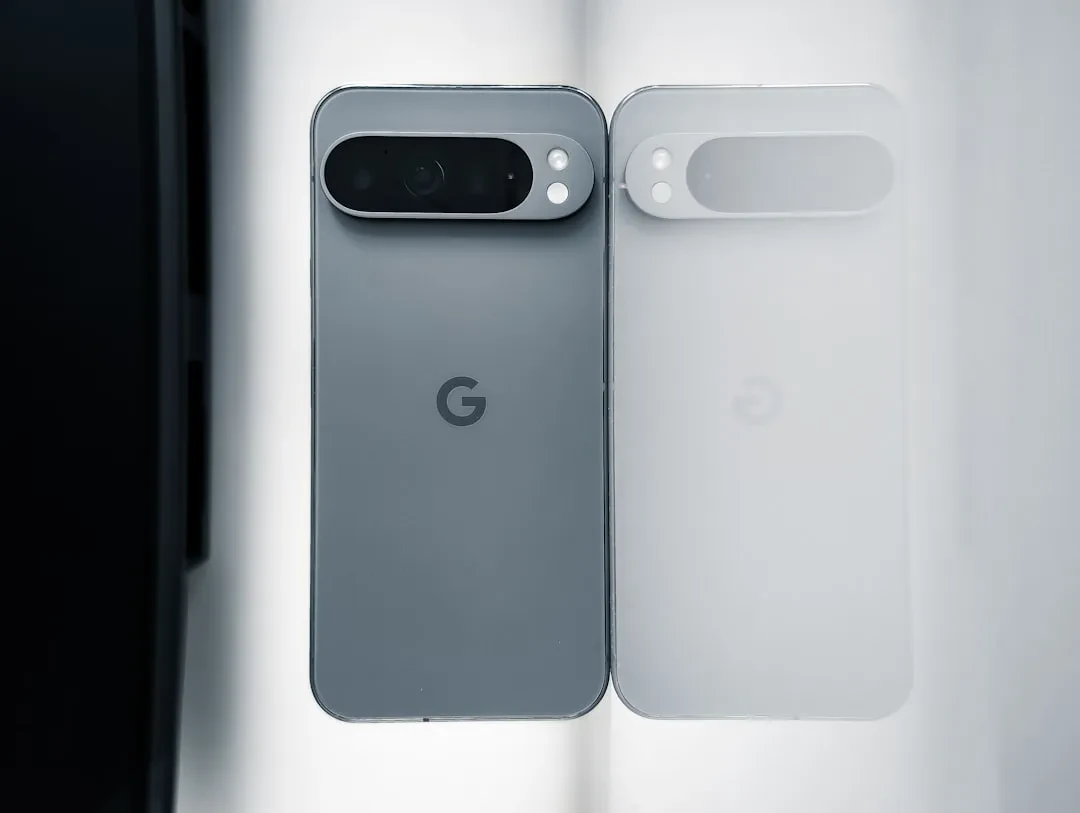
The quiet war between software giants is also fought on the design front. Google has shut down any speculation about Android adopting Apple's Liquid Glass aesthetic. In a blunt statement, Sameer Samat, president of Android, responded to a social media mockup that imagined a Pixel device with the same translucent, fluid interface as iOS 26 with a curt “Not happening! Y'all are wild.” The reply, reported by 9to5Google, definitively ended the debate ignited by a teaser video for The Android Show: I/O, which showed the Android mascot turning transparent, sparking fears of a drift toward Apple's style.
Google's choice is not just about brand pride. Material Design, introduced in 2014 and evolved into the recent Material 3 Expressive launched in 2025, represents a mature visual language deeply integrated into the Android ecosystem. Samat emphasized that the company prefers its own identity, based on natural animations and dynamic themes, rather than chasing competitors’ trends. This does not mean Google rejects all translucency: rumors suggest that Android 17, expected mid-year, will introduce a more pronounced blur effect, a “frosted glass” look that echoes blur but with a flatter, less mirror-like approach compared to Apple's Liquid Glass.
Implications for the Smartphone Market
Google's decision directly affects all manufacturers using Android, from Chinese brands like Oppo and Xiaomi, which already adopt Apple-like skins, to Samsung, which has timidly copied some elements. By keeping Pixel on a different track, Google reaffirms its role as a reference for pure Android experience, free from external contamination. In a market where Apple's unified design is polarizing users (not everyone appreciates Liquid Glass), Google aims to differentiate itself by offering a more sober and functional interface. By staying consistent with its own tradition, Google avoids confusing consumers who choose Android for its flexibility and customization.
It is no coincidence that while Apple pushes toward a visually homogeneous ecosystem across iPhone, iPad, and Mac, Google is strengthening the bond between Pixel and its AI assistant. Recent innovations from Google Gemini, which integrate privacy features and location control directly into the operating system, represent a strength that goes beyond aesthetics. To dive deeper into how AI is reshaping device security, read our article on the Five Cracks in the AI Economy.
Design and Innovation: The Competition’s Moves
While Google rejects Liquid Glass, other industry players explore parallel paths. Samsung, for instance, recently introduced features like fainting prediction on the Galaxy Watch, proving that design isn’t everything: user experience matters. And speaking of innovation, check out our piece on how Samsung Galaxy Watch Can Predict Fainting with High Accuracy. Apple is also not standing still: as it approaches the debut of its first foldable iPhone, it seeks to diversify chip production, a crucial topic for the future of mobile hardware, as explained in the article Samsung Hits $1 Trillion Valuation as Apple Seeks to Diversify Chip Production.
Ultimately, Google’s choice not to adopt Liquid Glass is a declaration of design independence. With Android 17 and the new Material 3 animations, Google wants to demonstrate that modernity doesn’t require losing one’s soul. The real battle, as always, will be fought on the consistency of the long-term user experience, far from fleeting trends.
For further details on Google's official stance, refer to the original article on MacRumors.
Sponsored Protocol