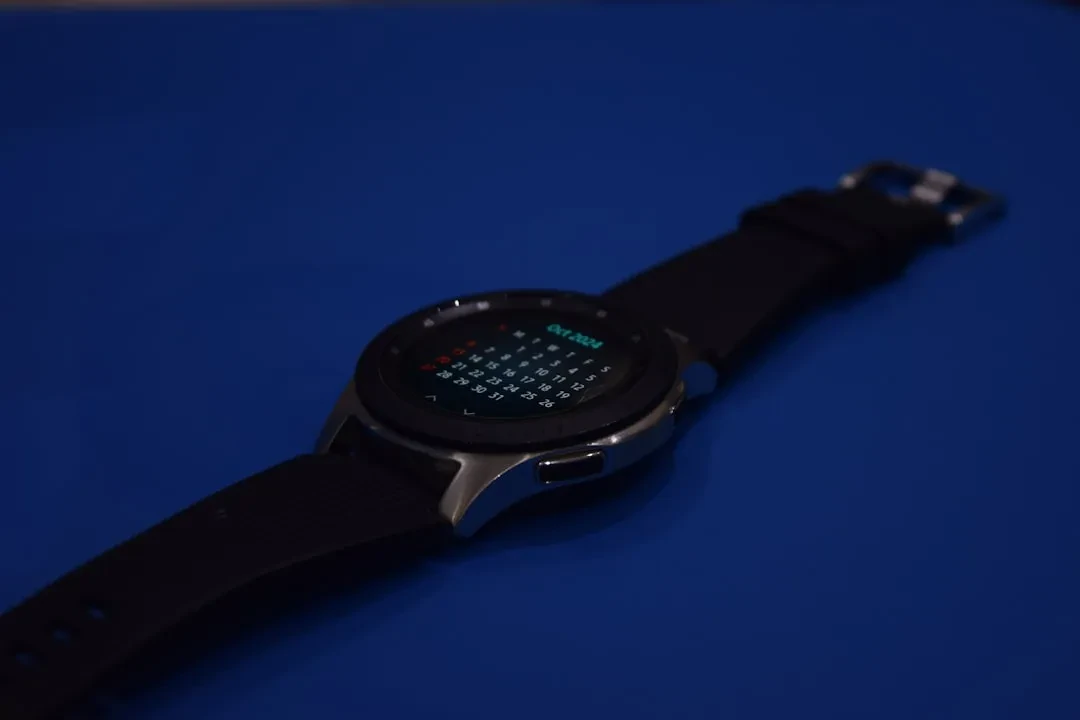
Samsung has unveiled one of the most striking innovations in wearable health technology, pushing its Galaxy Watch lineup to new heights. A new software update introduces a feature capable of predicting an imminent fainting episode with what the company calls high accuracy. The system combines biometric sensors and artificial intelligence algorithms to analyze physiological signals in real time, allowing users to move to a safe position or call for help before losing consciousness.
How Fainting Prediction Works
The technology is built on a machine learning model trained on thousands of episodes of vasovagal syncope and other common causes of fainting. The Galaxy Watch continuously monitors heart rate variability, blood pressure via optical sensors, and accelerometer data to detect warning patterns such as a sudden drop in blood pressure or a slowing heart rate. Samsung states that the system can distinguish between normal faintness and a genuine collapse risk, reducing false alarms through a contextual validation algorithm. Embedded artificial intelligence processes data on-device, ensuring privacy and the responsiveness needed for timely intervention.
Health and Safety Implications
This feature represents a qualitative leap in preventing injuries related to sudden fainting, which each year causes falls and trauma, especially among the elderly or patients with cardiovascular conditions. Receiving a notification minutes in advance allows the user to sit, lie down, or alert a caregiver. Moreover, the Galaxy Watch can automatically send a distress call if fainting actually occurs, integrating the already established fall detection functions. Samsung emphasized that the algorithm was validated in clinical studies with over 90% accuracy, a figure that surpasses many non-invasive hospital diagnostic tools.
The Wearable Technology Landscape
Samsung's move comes at a time when the smartwatch market is increasingly shifting toward advanced health features. With Samsung recently hitting a trillion-dollar valuation, as covered in our related article, the Korean giant is heavily investing in differentiating technologies. While Apple seeks to diversify chip production, Samsung bets on predictive health as a competitive edge for its wearable lineup. Fainting prediction could soon become an industry standard, pushing other manufacturers to develop similar solutions.
Challenges and Future Outlook
Despite the excitement, some challenges remain. Accuracy depends on proper individual calibration and environmental factors such as intense physical activity or stress. Samsung has stated it will continue improving the model through cloud updates and user feedback. The feature will initially be available only on newer models like the Galaxy Watch 7 and Watch Ultra to leverage next-generation sensors. For deeper technical details, refer to the original report on Engadget. The future of wearable health is becoming increasingly proactive, and Samsung is charting a course that could redefine preventive medical assistance.
Sponsored Protocol