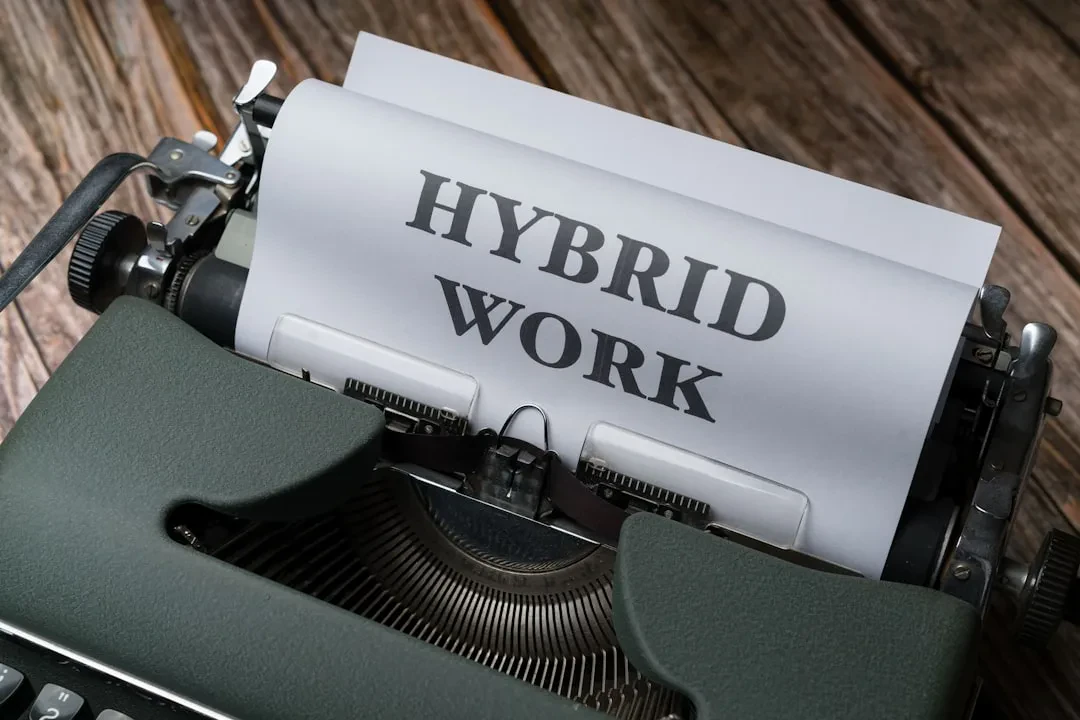
By 2028, enterprise adoption of AI agents is set to surge 300%. These aren't simple chatbots — they autonomously coordinate complex tasks, interact with multiple tools, and make operational decisions. While Silicon Valley and China already test these digital coworkers at scale, Europe is still debating regulation. And Italy? Bringing up the rear.
The news is clear: the hybrid human-AI workforce is not a hypothesis — it's already rolling out. For Italian SMEs this means one thing: those who don't adapt within the next 24 months will compete against companies producing three times as much with half the headcount. At Meteora Web, we see it every day in our clients' books: margins are won on efficiency, not on man-hours.
The problem isn't technical. It's political and cultural. Europe struggles to see AI not as a risk to contain, but as a factor of production to govern. While Brussels writes its tenth amendment to the AI Act, US startups are hiring AI agents to handle accounting, logistics, and customer care. In Italy, many SMEs still use Excel for inventory and have no ERP. The gap isn't digital — it's decisional.
Our position at Meteora Web is clear: fear of change is the most expensive luxury a business can afford.
We're not blind AI enthusiasts — every output must be verified by someone who knows the domain. But we've seen firsthand what real process automation means. When we built our proprietary platform for managing clients' social media presence, we didn't do it to replace marketers — we did it to multiply operational capacity without multiplying costs. The same goes for AI agents. A company that doesn't prepare to integrate them into its value chain — from accounting to customer support — is accumulating competitive debt. And in an economy with ever-shrinking margins, that debt is costly.
For Italy specifically, the risk is concrete: if the production fabric of micro and small businesses remains tied to manual workflows, the gap with European and global competitors will widen irreversibly. We need policies that incentivize real AI agent adoption — not fluffy online courses, but tax credits for actual integration into business management systems. And we need leaders who stop seeing AI as a threat and start treating it as an investment.
Our straightforward suggestion: every SME should conduct a workflow audit by the end of 2026 to identify which processes an AI agent can handle autonomously. That's what we do with our clients — start from data, measure time and cost, then propose tools. The result? Better margins, fewer errors, and people freed from repetitive tasks to focus on what truly creates value — relationships, strategy, creativity. The hybrid work future isn't something you wait for. It's something you build.