In discussions about
emerging trends, AI, cloud, and robotics are often mentioned. But a crucial part of the future is being shaped on another frontier, one where code is not just software, it's DNA.
Biotechnology is precisely this intersection of computer science, chemistry, biology, and engineering that allows us to rewrite vital processes with the same logic we use to design a digital system.
What biotechnology is today
Biotechnology refers to the use of
biological systems, cells, or their components to develop useful products and processes. It's not entirely new; fermenting bread or producing wine are historical examples of biotechnology. The difference is that today we do it with molecular awareness, reading and modifying DNA like a kind of language.
Official definitions, like those from the
OECD or the
NIH, speak of the application of science and engineering to living systems for the production of knowledge, goods, and services. This broad formula encompasses everything from the production of biologic drugs to drought-resistant seeds, from biosensors to bacteria that produce materials.
From DNA as code to laboratory platforms
The heart of modern biotechnology is the idea that
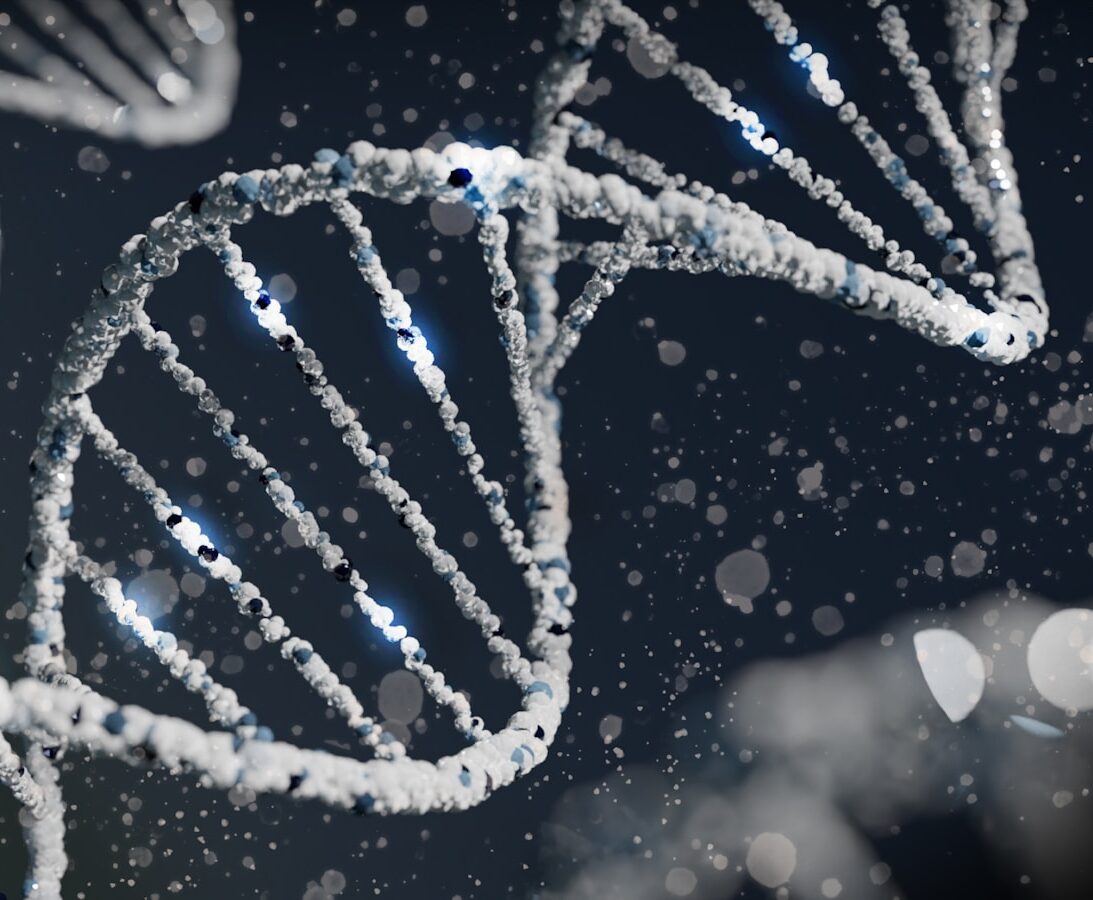
DNA is a code. A sequence of four letters—A, C, G, T—that defines proteins, cellular structures, physiological responses. Projects like the Human Genome Project, documented by the
NHGRI, have made it possible to read this code on a large scale, paving the way for its rewriting.
Today, the laboratory and the data center have become intertwined environments. On one side, automated sequencing and synthesis platforms. On the other, algorithms that analyze genomic data, predict protein structures, suggest modifications. Biotechnology would not exist in its current forms without the enormous computing power working behind the scenes.
Key techniques between genetic engineering and CRISPR
Among the symbolic techniques of this new era is
genetic engineering, which allows for the insertion, removal, or modification of genes in an organism. For years, this operation was complex, expensive, and imprecise. The arrival of tools like
CRISPR Cas9, described in the educational resources of the
Broad Institute, has made genome editing more accessible and targeted.
Alongside CRISPR coexist techniques like cloning, recombinant DNA, viral vectors, and DNA synthesis methods. Together, they constitute the toolkit with which researchers build microorganisms that produce drugs, plants with enhanced traits, and immune cells reprogrammed to better recognize specific types of tumors.
Biotechnology for drugs, vaccines, and therapies
For the general public, the most visible face of biotechnology is
biologic drugs and
next-generation vaccines. Monoclonal antibodies, recombinant insulins, therapies based on proteins produced by cells grown in bioreactors have been a reality for years. The mRNA vaccines developed during the pandemic have shown how quickly it is possible to design informational molecules that instruct cells to produce a target protein.
Gene therapy represents a further step: modifying or replacing faulty genes at their root. Guidelines from bodies like the
EMA call these solutions advanced therapy medicinal products, with specific rules on evaluation, safety, and traceability. Here too, the dimension of code is evident: therapies are designed as instructions to give to cells, not just as molecules to administer.
Biotechnology for agriculture, environment, and materials
Biotechnology doesn't only exist in hospitals. In agriculture, work is done on varieties more resistant to pests and climate stress, on microorganisms that improve nutrient availability for plants, and on biological control systems that reduce the use of chemical pesticides. At the regulatory level, Europe distinguishes between different categories of genetically modified organisms, with dedicated directives for field and laboratory use.
In the environmental and industrial sphere, biotechnology involves bacteria designed to degrade pollutants, fermentation processes that produce bioplastics, and enzymes that replace aggressive reagents in industrial processes. The promise is to build a gentler chemistry, based on living catalysts and low-energy processes, instead of extreme temperatures and heavy solvents.
When biology meets software
The phrase
life and code is not just a metaphor. The design of biological systems increasingly passes through digital tools.
Bioinformatics software, genomic databases, structural prediction models like those described on
AlphaFold transform biology into a computational domain.
At the same time, automated laboratories controlled by APIs are emerging, where experiments are launched remotely with the same logic used to start a software pipeline. So-called
synthetic biology, described by centers like the
Synthetic Biology Engineering Research Center, aims to design reusable genetic circuits, as if they were code libraries to be assembled into host organisms.
Risks, ethics, and regulation
With such great power inevitably come questions about
risks and ethics. Who decides what is acceptable to modify? How to prevent genetic editing tools from being used irresponsibly? What does it mean to patent a DNA sequence or a cell line? Organizations like the
WHO and national bioethics committees work on guidelines to balance innovation and protection.
A delicate issue is that of access. If biotechnologies become basic infrastructures for health, nutrition, and energy, those who control the production platforms and the underlying data acquire enormous power. The discussion on open science, licensing models, and benefit-sharing is no longer just academic, but political and economic.
Why biotechnology intertwines life and code
To say that biotechnology intertwines life and code means recognizing that the design of living things increasingly passes through a file, a script, a model. A DNA sequence is written in an editor, simulated, ordered from a synthesis service, inserted into an organism, and observed with instruments that produce new data to analyze. The cycle closely resembles that of software development, with continuous iterations between design, build, and test.
For those looking at
emerging trends and technologies, this intertwining is one of the most powerful trajectories for the coming years. Computer science will not remain confined to servers and smartphones but will increasingly immerse itself in cells, tissues, and ecosystems. Understanding biotechnology today means preparing for a future where the boundary between digital and biological will be much thinner than we are used to imagining.