There is a technical thread connecting explosions, packed stadiums, cars launched at three hundred kilometers per hour, and fantasy worlds signed by Electronic Arts: it's called the
Frostbite Engine. It is the proprietary graphics engine born in the corridors of DICE for the Battlefield series and has become, over the years, the backbone of many of EA's most important franchises. A piece of technology that isn't seen on the cover, but which determines the aesthetics, physics, and gameplay pace of entire series.
What is the Frostbite Engine
Frostbite is a
proprietary game engine developed by Electronic Arts, originally by the DICE studio. It is designed to handle real-time graphics, physics, audio, animations, game logic, and networking in AAA titles. On the official EA website dedicated to Frostbite, reachable at
ea.com/frostbite, it is described as a technology shared among different internal teams to create more believable, fluid, and cohesive worlds.
Unlike generalist engines like
Unreal Engine or
Unity, Frostbite is not licensed externally: it is an internal tool within the EA ecosystem. This means every evolution of the engine is designed for the specific needs of the company's franchises, without having to adapt to the requirements of thousands of different studios.
How it works behind the scenes
Like every modern graphics engine, Frostbite is composed of several subsystems working in sync. At its core is the
renderer, which handles transforming geometries, materials, lights, and shadows into frames on the screen. Around it are the
physics engine, character animation systems, particle management, audio, artificial intelligence, and networking.
Frostbite is designed to fully exploit PC and console hardware, balancing the load between CPU and GPU. It supports advanced rendering techniques, physically based lighting, dynamic environment destruction systems, and complex simulations of effects like smoke, fire, and debris. Some of these technical details are covered in talks and articles appearing on platforms like
GDC and on technical blogs related to EA and DICE.
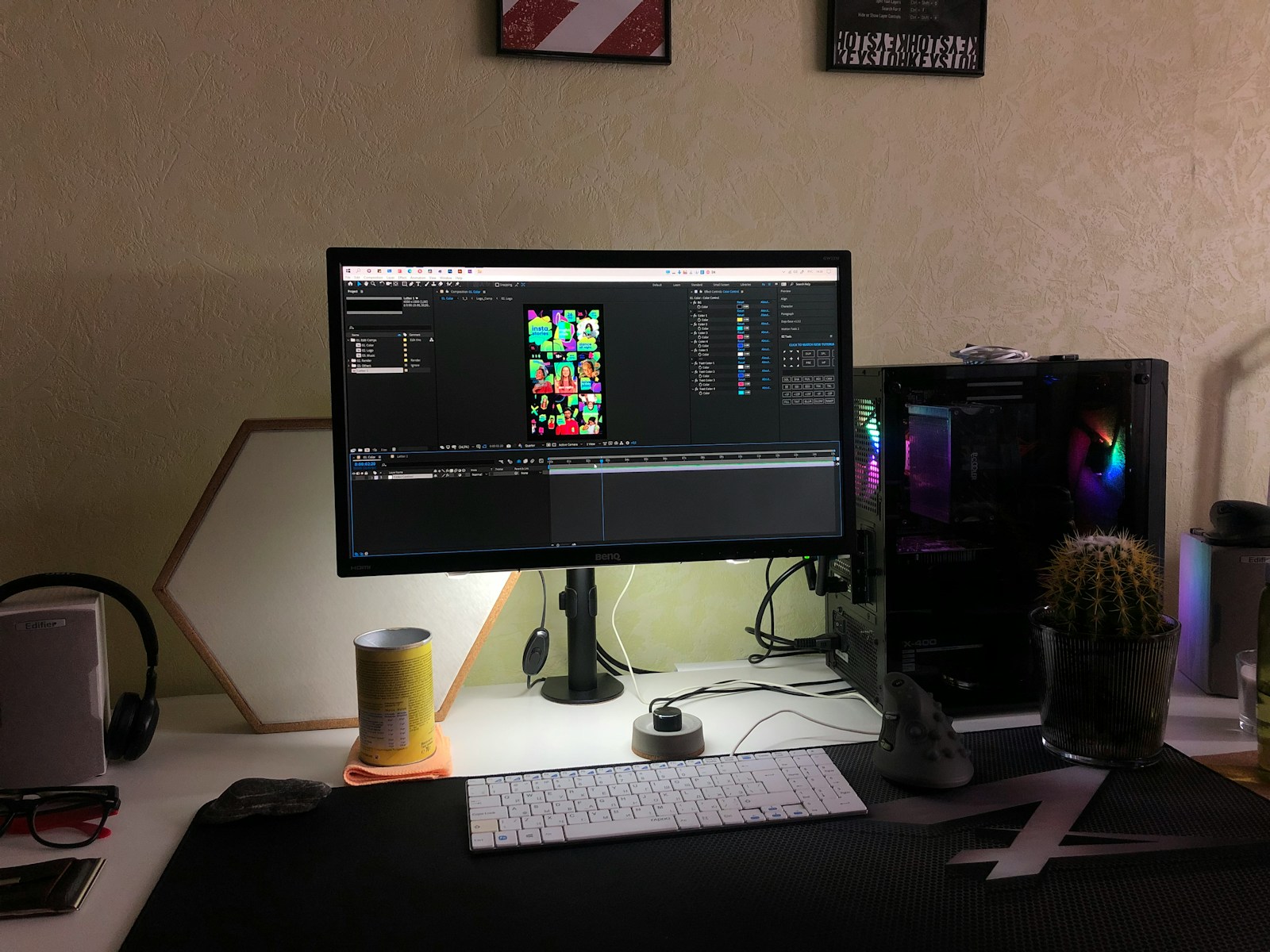
From the perspective of internal teams, all of this is accessible through a proprietary editor: an environment that allows designers, artists, and programmers to work on levels, assets, game logic, and scripts within the same pipeline, with tools built precisely for the needs of EA projects.
From destructibility to realism: the Frostbite "signature"
The first time many players perceived Frostbite's presence was with the
destructibility of environments in Battlefield. Buildings collapsing, cover that doesn't last forever, facades crumbling under fire: not just a spectacular effect, but a different way of thinking about level design, where the battlefield changes during the match.
Over the years, the engine has been taken far beyond shooters. Today Frostbite also powers sports games like EA Sports FC (formerly FIFA), where it manages stadiums full of detail, dynamic grass, player animations, and stadium lighting, and racing games like some iterations of
Need for Speed. It has also been used in role-playing games and story-driven products, adapting a DNA born for large-scale warfare to genres with completely different paces and expectations.
This versatility is one of the engine's most interesting traits, but also one of its challenges: every time Frostbite enters a new genre, the engine team must provide adequate tools and workflows, while maintaining performance and stability across different platforms.
Internal tools and the life of development teams
For developers, Frostbite is not just powerful rendering, but an
ecosystem of tools. The internal editor allows building levels, placing objects, setting up sequences, and defining behaviors through scripts or visual systems. This is where it's decided if a technology is truly usable: build times, playtest speed, integration with versioning systems, support for complex asset pipelines.
Over the years, various developers who have worked on EA titles have discussed, in interviews and conferences, the strengths and difficulties of Frostbite: for some it is an extremely powerful tool, for others a demanding engine, not straightforward when it comes to adapting it to genres it wasn't originally designed for. This is a natural consequence of a proprietary technology optimized for internal needs rather than a generalist market.
Training people on Frostbite means investing in specific skills, less transferable than those for Unreal or Unity. In return, however, EA gains a technical consistency and intellectual property that become part of its competitive advantage.
Why it's considered EA's "secret"
Calling Frostbite EA's "secret" means recognizing that a good part of the company's games' technical and visual identity stems precisely from this engine. Having a shared engine, controlled end-to-end, allows for the reuse of technologies across different franchises, standardizing processes, and avoiding dependence on external suppliers for key production elements.
Frostbite gives EA fine control over its technological roadmap: when to invest in new lighting techniques, how to approach the transition to a new console generation, which tools to provide teams to reduce production times and costs. There's no need to wait for another vendor to release a feature: it can be built in-house, aligning it with the needs of internal teams.
From the outside, only trailers and screenshots are seen. Inside, Frostbite is a platform that for years has been shaped by the needs of a publisher with dozens of studios working in parallel. It is this invisible layer that makes the engine one of EA's true strategic assets in the AAA gaming landscape, on par with its most famous brands.
For those who look at graphics engines not just as technology but as an industrial choice, Frostbite is a textbook case: it shows what it means to bet on a proprietary engine that influences the aesthetics, pipeline, and internal culture of a gaming giant, far beyond the simple on-screen spectacle.