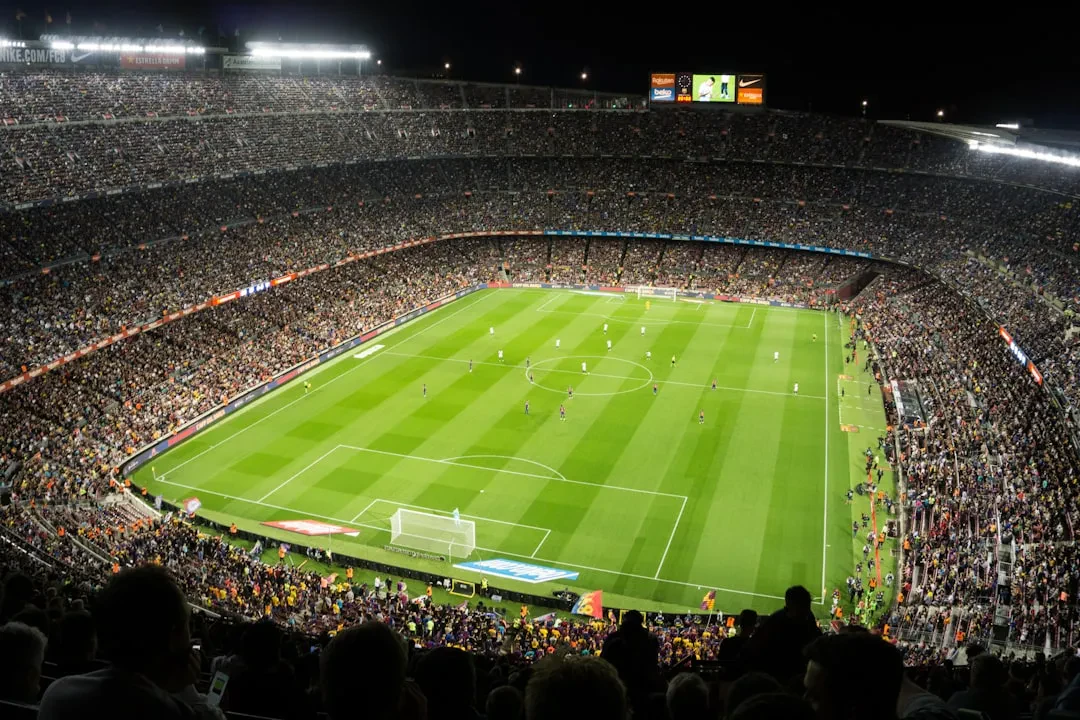
The 2026 World Cup is already historic before a single match is played. With 48 teams, 16 host cities across Canada, Mexico, and the United States, and transcontinental distances to travel by air, this edition represents an unprecedented leap in scale. Costs for fans have skyrocketed, while logistical and security challenges strain organizers and governments alike.
A Tournament of Unprecedented Dimensions
For the first time, the World Cup is hosted by three nations. The number of matches has risen to 80, with 48 teams competing over an extended period. Fans face intercontinental flights, with huge economic and environmental impact. According to experts, only the richest countries or international collaborations will be able to host future World Cups of this size. The average cost per fan in the United States exceeds $5,000, not including flights between venues, as noted by Christos Anagnostopoulos of Hamad Bin Khalifa University.
Sponsored Protocol
Sky-High Tickets and Accommodation Costs
Ticket prices have been criticized for pricing out ordinary fans. Hotel rates in host cities have surged, while airlines have added extra flights to meet demand. However, hotel bookings are below expectations, likely due to prohibitive travel costs. Scale does not automatically guarantee crowds, Anagnostopoulos warns.
The Security Challenge
With three borders and multiple jurisdictions, security is a complex priority. The United States has allocated $625 million in grants for host cities, plus another $200 million for anti-drone technology. Canada added $104 million. In total, nearly $1 billion in public funds have been earmarked for security, but that is likely just a fraction of the real cost. Leo Levit, chair of Onvif, highlights the challenge of making different security systems communicate. Technological integration is crucial for an event of this magnitude.
Sponsored Protocol
The Future of World Football
Why is FIFA pushing for such aggressive growth? According to Simon Chadwick of SKEMA Business School, the reason is competition from other sports like the NBA, NFL, and Formula 1. President Infantino wants to keep football at the center of the global stage. However, this comes with a trade-off: the World Cup is becoming too big for most nations. Only huge economies like China or Saudi Arabia, or cross-border collaborations, will be able to host it in the future. The days of a single traditional nation hosting alone are likely numbered.
For insights into internal tensions in the tech world, read the article on Meta’s AI worker revolt, a wake-up call Europe must hear.
For more details on the tournament, visit the Wikipedia page on the 2026 World Cup.
Source: https://www.wired.com/story/biggest-world-cup-travel-flights-hotels-costs