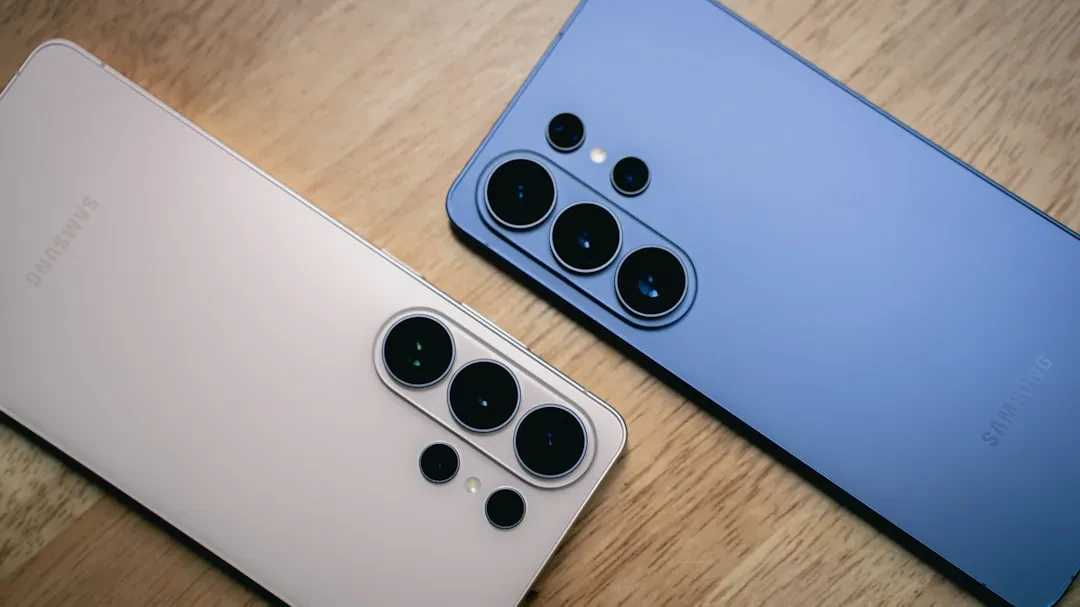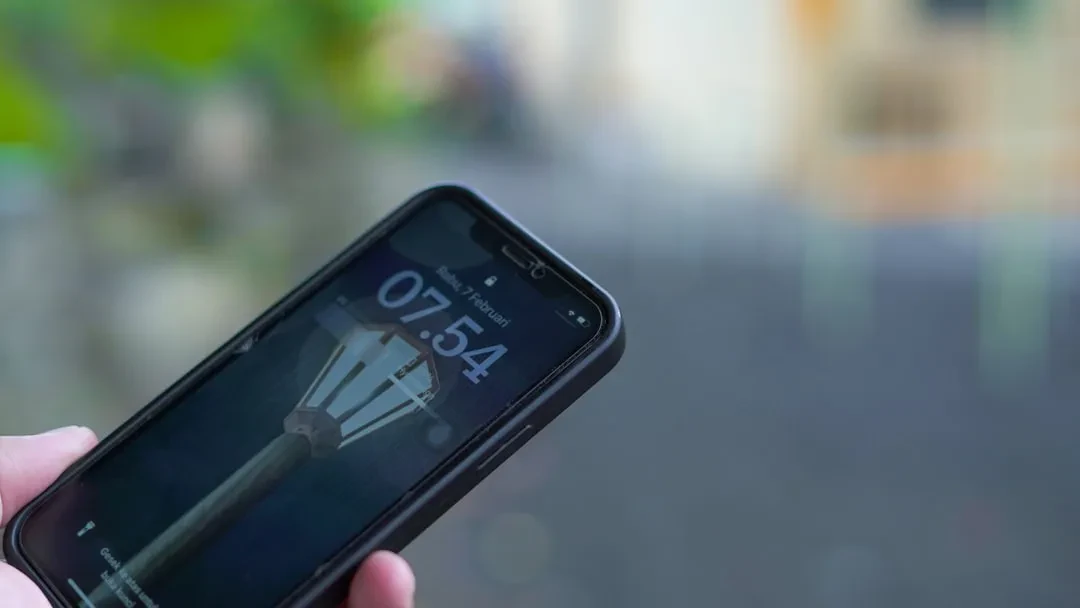
The average lifespan of a smartphone is increasing. More and more users keep their device for three or four years before upgrading, driven by longer carrier contracts and a desire to reduce costs. If you plan to buy a phone with the intention of keeping it for years, here are seven key aspects to consider before making a purchase.
The battery must be large and preferably replaceable
The battery is the component that degrades most over time. Look for a model with high capacity, ideally above 5000 mAh, and check if the manufacturer offers a reasonably priced replacement program. Some brands guarantee 80% of initial capacity after 800 charge cycles. Avoid permanently soldered or glued batteries, as they make replacement difficult and expensive. A user-replaceable battery can extend the phone's life by two to three years.
Durable materials and water resistance prolong life
A phone with IP68 certification or higher resists dust and accidental submersion. Choose materials like aluminum or reinforced glass, but also consider protective cases. Metal frames are more durable than plastic and absorb impacts better. Read independent drop tests to see how the model performs in real-world situations.
Sponsored Protocol
Long-term software updates are essential
Check the manufacturer's commitment to providing security updates and major OS upgrades for at least four or five years. Companies like Samsung and Google guarantee updates for up to seven years on some flagship models. Without regular updates, the phone becomes vulnerable to malware and incompatible with newer apps. Also verify the frequency of monthly security patches.
The processor must offer headroom for future performance
Buying a high-end chipset today ensures enough power for tomorrow's apps and games. For instance, Apple's acceleration of the M7 chip demonstrates how companies invest in future performance. Read the related article. A processor with at least 8 cores and high clock speeds guarantees smoothness even after years.
Sponsored Protocol
Storage and RAM must be adequate and preferably expandable
Opt for at least 128 GB of internal storage and 8 GB of RAM. Check if a microSD card slot is available: it lets you expand space without changing phones. RAM is not expandable, so choose a generous configuration from the start. Models with 12 GB or 16 GB of RAM are particularly suited for multi-year use.
Read reviews that test real-world longevity
Don't rely solely on first impressions. Look for reviews that analyze battery life after a year, scratch resistance, and long-term software experience. Specialized sites like Android Authority publish durability tests and articles on how phones age. Honest reviews reveal flaws that only emerge after months of use.
Sponsored Protocol
Plan for repairability and spare parts availability
Check if the manufacturer sells original parts like batteries, screens, or charging ports. Brands like Fairphone and Samsung offer self-repair programs. Access to official spare parts and repair guides reduces costs and extends device life. For more details, see the Wikipedia page on lithium-ion batteries. Learn more about batteries.
Buying a smartphone with these criteria will allow you to use it for three years or more without compromises. Investing in quality today saves money and resources tomorrow.
Source: https://www.androidauthority.com/buying-phone-long-term-tips-3680435