The Cupertino giant, long a jealous guardian of its own ecosystem, is undergoing an epochal transformation. This is not a voluntary choice, but an obligatory response to the pressing Digital Markets Act (DMA) legislation of the European Union. We are witnessing the dawn of a new era, where Apple's proverbial “walled garden” is beginning to show significant cracks, opening up interoperability avenues that seemed unthinkable just a few months ago. The company has initiated extensive testing in iOS 26.5 for features that promise to redefine the user experience with non-Apple wearables, an unequivocal sign of a change in direction that could have global repercussions.
The most striking news concerns the introduction of a third-party wearable pairing process that mirrors the iconic simplicity of AirPods. Imagine the convenience of bringing a pair of non-Apple earbuds close to your iPhone or iPad and seeing an instant, almost magical pairing prompt appear, just as it happens with AirPods. This is no small detail; it is a clean slate over years of user frustration, forced to navigate complex menus and cumbersome procedures to connect accessories from other brands. The promise of “one-tap” pairing radically transforms accessibility and user experience, democratizing a process that for too long has remained an exclusive privilege of Apple products.
Sponsored Protocol
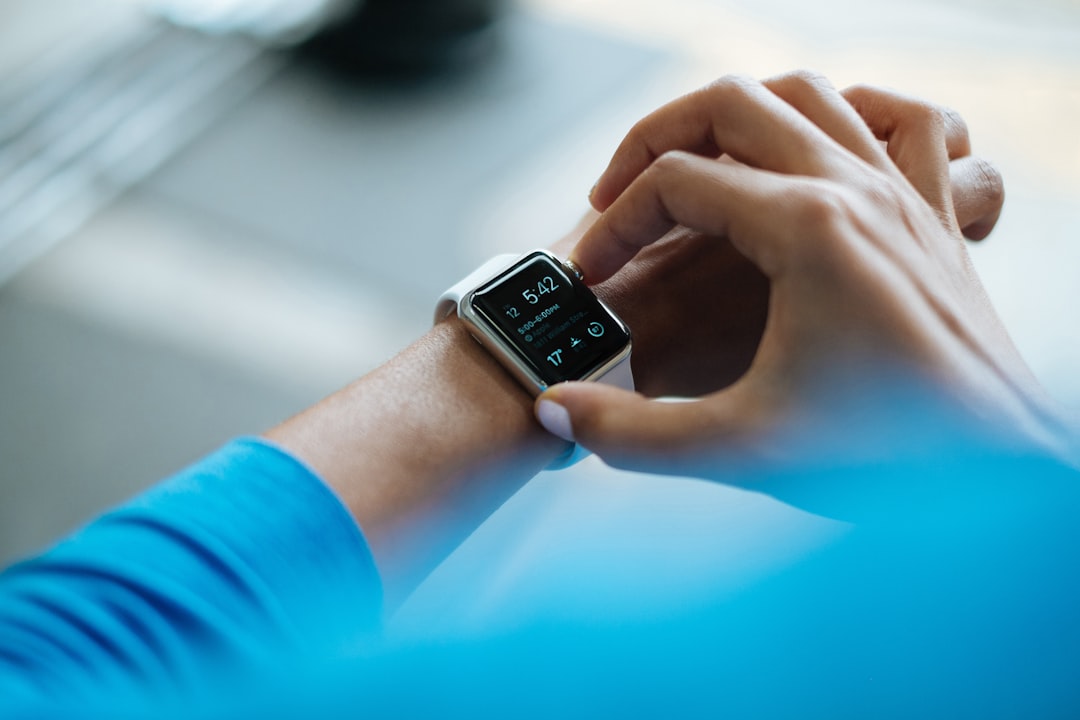
But the innovations do not stop there. Another front on which Apple is experimenting is the forwarding of notifications and real-time activities (Live Activities) to third-party wearables. This is a revolution for non-Apple smartwatches. Until now, the ability to receive and interact with iPhone notifications was an absolute prerogative of the Apple Watch, one of the pillars of its appeal. Now, European users will be able to enjoy this crucial functionality on smartwatches from competing brands. This means being able to view messages, calls, app updates, and even the innovative Live Activities directly from their wrist, regardless of the manufacturer of their smart timepiece.
Sponsored Protocol
The scope of these changes is immense. Consider smartwatch manufacturers who will now have the opportunity to offer a much richer and more integrated user experience with the iOS ecosystem. They will no longer be relegated to a secondary role, but will be able to compete on a more equal footing regarding essential functionalities. Certainly, there are some initial limitations. Apple has specified that notification forwarding will only be possible to one connected device at a time; activating this function for a third-party wearable will automatically disable notifications on an Apple Watch, if present. This clause, likely included to manage power consumption and user experience without redundancy, does not diminish the intrinsic value of the new openness.
Live Activities, in particular, represent an element of great innovation. These dynamic real-time activities, which show constant updates such as a game score, the status of a home delivery, or the progress of a taxi journey, will now be able to extend beyond the confines of the iPhone and Apple Watch displays, reaching external devices. This opens fascinating scenarios for developers and for users' daily interaction, elevating the level of integration for non-Apple wearables to a previously unattainable standard.
Sponsored Protocol
Apple began testing these features as early as the beta versions of iOS 26.3 and 26.4, continuing with determination in iOS 26.5. Although the company has not yet provided an official launch date, the European Commission has indicated that these implementations should materialize in 2026. This is not merely a technical update; it is a statement of intent, a strategic surrender to regulation aimed at dismantling digital monopolies and promoting greater competition and consumer choice. Proximity pairing and notification forwarding features will initially only be available to device manufacturers and users in the European Union, making the continental bloc a true laboratory for the future of technological interoperability.
Sponsored Protocol
Ultimately, Apple's opening to third-party wearables in the EU, driven by the DMA, marks a turning point. Not only does it guarantee consumers greater freedom and wider choice, but it also forces the entire technology sector to rethink its business models and integration strategies. This move, although initially localized, could serve as a catalyst for similar changes globally, pushing other jurisdictions to demand greater openness and interoperability. Apple's “walled garden” is slowly, but inexorably, transforming into a more open and permeable ecosystem, to the benefit of all market players and, above all, end users.