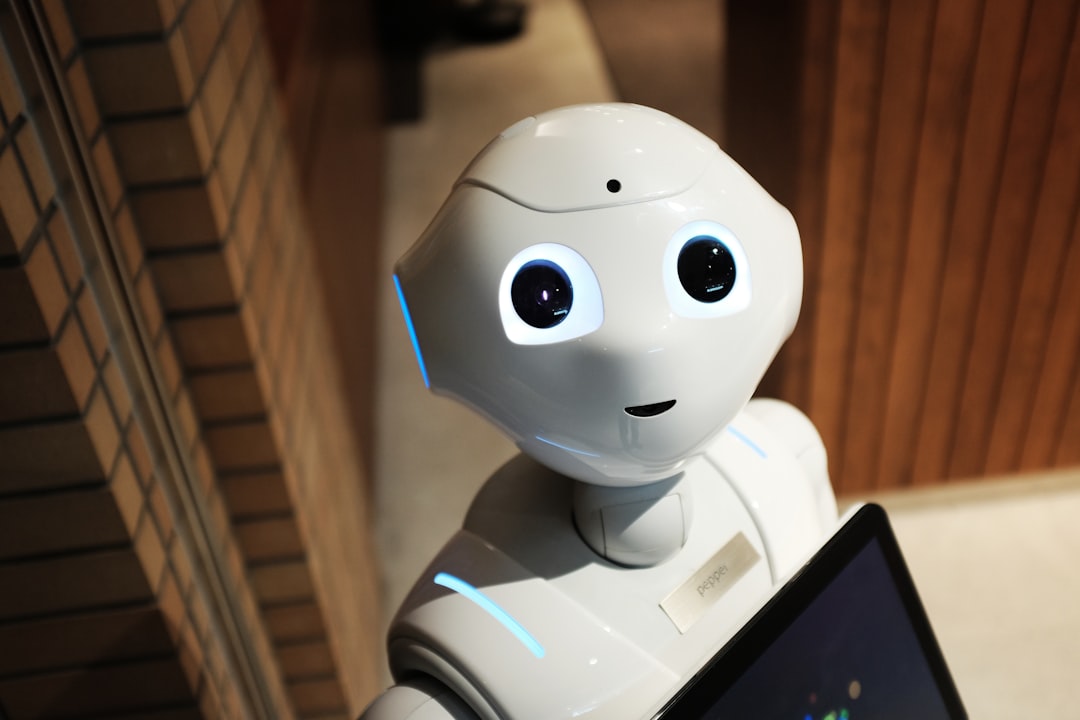
Self-driving robotaxis now glide through major city streets without a driver, and delivery drones autonomously ferry orders to customers' doorsteps. Against this backdrop, the vision of general-purpose robots assisting humans in workplaces and even homes is becoming increasingly tangible. The decisive leap, however, hinges on developing more autonomous robots powered by modern artificial intelligence, a goal that has turned many researchers into startup founders and attracted billions in investment.
From point A to point B to a universe of autonomous tasks
Fifteen years ago, as Matt Malchano, vice president of software at Boston Dynamics, recalls, his team's autonomy goal was simply to get a robot to navigate from one point to another. Today, the company envisions a vast space of activities a machine can perform independently, from warehouse logistics to predictive maintenance. This evolution is not just technical but cultural: the concept of autonomy now encompasses complex, adaptive behaviors made possible by recent advances in machine learning.
Sponsored Protocol
Startup founders and billions invested in general-purpose robotics
The prospect of robots operating in unstructured environments has spurred many researchers to become entrepreneurs, founding startups that have attracted billions in funding. Companies like Boston Dynamics, Figure AI, and Agility Robotics are developing machines that combine advanced mobility with manipulation capabilities, all orchestrated by increasingly sophisticated AI systems. To explore how the tech industry is shaping automation's future, read the analysis of Apple's $30 billion Broadcom chip deal, a key enabler for robotic device connectivity.
Sponsored Protocol
Technical challenges of general-purpose autonomy
Despite progress, the road to a do-it-all robot is fraught with obstacles. Real-time environmental perception, decision-making in unforeseen scenarios, and operational safety remain open research fields. Combining computer vision, motion planning, and reinforcement learning requires immense computational power and data. A relevant example is the smart availability calendar for rental fleet management, which, though simpler, shows how AI can optimize shared robot fleets in work environments.
Sponsored Protocol
Future prospects for domestic and industrial robots
According to industry experts, within the next decade we may see general-purpose robots assisting with household chores, elder care, and repetitive industrial tasks. AI's contribution is crucial to overcoming current programming and adaptability limits. A recent video from the original source Ars Technica showcases progress by Boston Dynamics and others. The future of work and daily life could be radically reshaped by these autonomous robots, provided technology, ethics, and regulation move forward together.