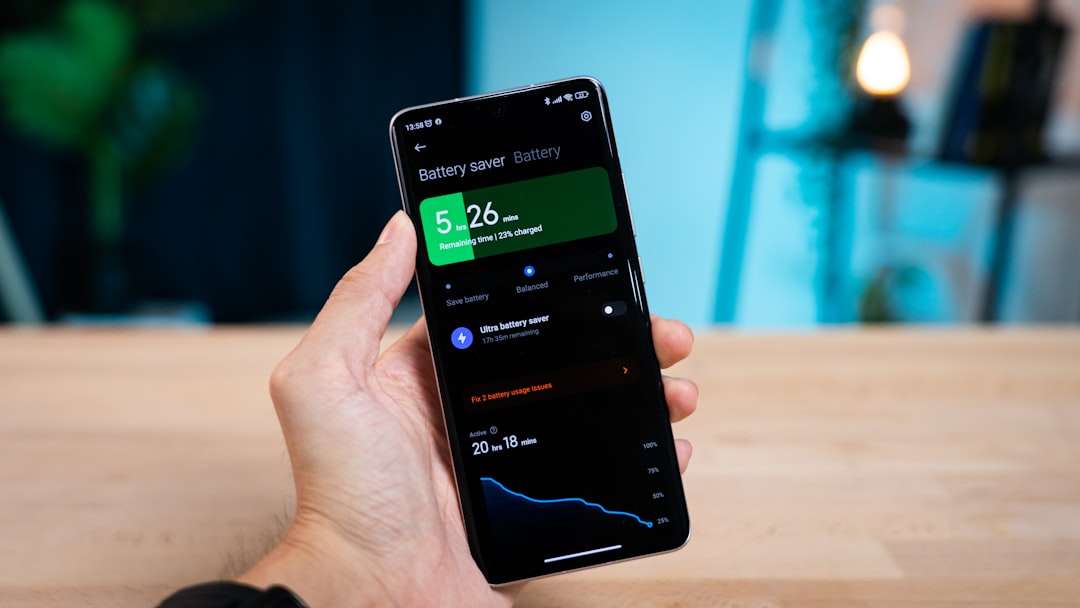
Battery degradation is perhaps the biggest concern if you want to keep a phone for three years or longer. Fast degradation means terrible battery life after just a year or two. This wasn't a huge deal in the late 2000s and early 2010s, since user-replaceable batteries let you easily switch to a new cell. But we now live in an era where most people have to take their phone to a repair center to get the battery replaced.
Brands reframe degradation metrics with opaque math
It used to be relatively easy to understand the battery degradation information smartphone makers disclosed. Unfortunately, some mobile brands are quietly trying to redefine how degradation is measured. Why? The goal is to make batteries appear more durable than they really are. For example, some OEMs use test cycles with longer charging times or altered voltage thresholds to inflate results. This deceptive approach can confuse consumers comparing devices based on official specs. A telling case is the Motorola Razr Fold beating the Pixel 10 Pro Fold in battery comparisons, though metrics were not fully transparent.
Sponsored Protocol
Impact on users: purchases based on skewed data
When a brand advertises 80% retention after 800 cycles, the average consumer assumes it reflects real-world usage. In reality, those cycles may be run in lab conditions that don't match daily use. This leads to a gap between marketing promises and actual experience. A similar pattern appears in other sectors, such as the summer deals on Samsung Galaxy Buds 4 Pro, where low prices might mask unmet expectations.
How to assess true battery health before buying
To guard against these practices, users should rely on independent reviews that test batteries in real-world scenarios. Platforms like Android Authority conduct standardized tests measuring actual capacity after hundreds of cycles. Additionally, looking at upcoming launches like the Samsung Galaxy Z Fold 8 can offer insight into industry trends, but it is crucial to wait for independent tests. Transparency is key: asking manufacturers to publish detailed testing methodologies is the only way to ensure informed choices. According to an analysis by Android Authority, brands are already applying these distortions, making a critical approach essential.
Sponsored Protocol
Source: https://www.androidauthority.com/android-phone-battery-life-claims-sneaky-math-2026-3683394