The world of technology is in constant flux, but few news items have the potential to redefine entire sectors quite like the one emanating from Cupertino's headquarters. Apple, the giant that built its fortune on a robust and, in many ways, hermetic ecosystem, is preparing for an epochal shift, an unprecedented opening dictated by stringent European regulations. Within the heart of the European Union, users of third-party wearable devices are about to witness a true revolution, thanks to new features undergoing advanced testing in iOS 26.5. This is not just a technical modification; it is a strategic earthquake promising to shake the foundations of the wearables market.
For months, behind the scenes, Apple's engineers have been working tirelessly on interoperability changes, a move mandated by the European Union's Digital Markets Act (DMA). The core of these innovations is twofold to offer a pairing experience for third-party devices similar to the almost magical one of AirPods and to enable notification forwarding and even the much-loved Live Activities to non-Apple smartwatches and other accessories. Imagine a near future where bringing a pair of any brand's Bluetooth earbuds close to your iPhone or iPad initiates an instant, one-tap pairing process. Gone are complicated manual search and connection procedures. This ease of use, until yesterday an exclusive prerogative of Apple products, is about to become a standard accessible to all, at least within the EU's borders. Testing of these features, which began with iOS 26.3 and continued with 26.4, is now intensifying with the iOS 26.5 beta, suggesting an imminent launch that consumers eagerly await.
Sponsored Protocol
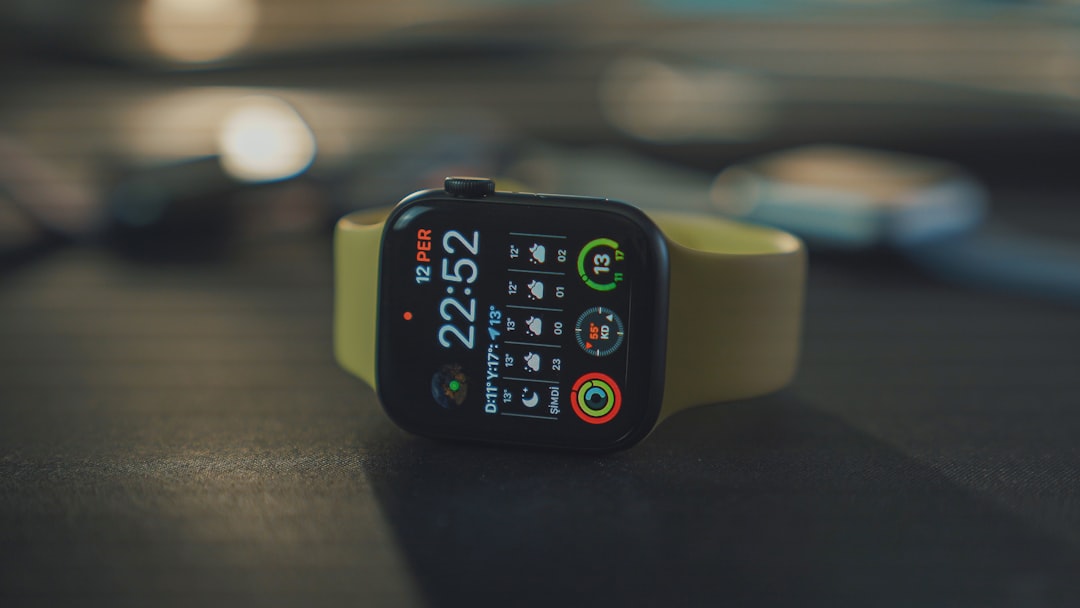
But the scope of these novelties does not end with simplified pairing. Apple is extending a crucial capability previously confined solely to the Apple Watch the reception of and interaction with notifications directly on the wrist. This means that third-party smartwatches will finally be able to vibrate, display incoming messages, and allow users to react, all without having to take their phone out of their pocket. The functionality is powerful but not without its distinctions notifications can only be forwarded to one connected device at a time. If a user enables notifications for a third-party wearable, they will be automatically disabled on the Apple Watch. This decision highlights how Apple seeks to balance regulatory compliance with managing user experience and the potential cannibalization of its own hardware. Adding to this is a further, exciting evolution the ability to forward Live Activities. These real-time notifications, which track ongoing events like a game score or delivery status, will also be visible on devices outside the Apple ecosystem, further enriching the user's information experience.
Sponsored Protocol
The impetus behind these monumental changes is the European Union's Digital Markets Act, an ambitious piece of legislation aimed at leveling the playing field for tech companies and promoting greater competition and consumer choice. The European Commission has stipulated that Apple must implement these changes in Europe during 2026. This is not a voluntary choice of openness, but rather a necessary compliance with a regulatory framework that seeks to dismantle the so-called “walled gardens” of tech giants. For developers, this opens up unexplored scenarios. They will be able to test their third-party TVs, smartwatches, and headphones with the new options, paving the way for a wave of innovation and products more deeply integrated with the iPhone and iPad.
Sponsored Protocol
The impact on the European market will be profound. Users will no longer be tied to purchasing Apple products to enjoy a fluid and integrated user experience. Choice will expand exponentially, leading to fiercer competition and, hopefully, better and more affordable products. For Apple, this is a complex challenge an olive branch extended towards interoperability, imposed from the outside, which could paradoxically attract new users to its main ecosystem, thanks to the promise of greater freedom in accessory selection. The ongoing testing with iOS 26.5 is a clear indicator that the process is well underway, and 2026 will mark the dawn of a completely new era for the interaction between iPhones and third-party wearable devices in the European Union. It is the beginning of a chapter where monolithic control gives way to more fluid and democratic integration, a bold step towards a more open tech future.