A seismic wave of change is poised to sweep through Apple's seemingly impregnable ecosystem, a quiet yet profound earthquake set to redefine the foundations of device-user interaction at the heart of Europe. Authoritative sources reveal that, in response to stringent European regulations imposed by the Digital Markets Act, the Cupertino company is testing revolutionary functionalities in iOS 26.5. These features promise to democratize access and integration for third-party accessories, sweeping away years of exclusivity-driven strategies. This is not merely an update; it is a true statement of intent, an unprecedented opening that could mark the beginning of a new era.
The Digital Markets Act A Double-Edged Sword for Apple
For years, Apple's approach has been to create a walled garden, a virtuous yet strictly controlled ecosystem where fluid integration was a privilege reserved for its own products. This strategy, while ensuring unparalleled user experience and tight quality control, has also drawn considerable criticism regarding competition and consumer choice. The European Union's Digital Markets Act (DMA) stands as the regulatory battering ram forcing the company to reconsider this model, introducing interoperability requirements that shake the status quo. Apple, after months of intensive development starting with iOS 26.3 and continuing into iOS 26.4, is now refining its responses in the current iOS 26.5 beta, anticipating a future where openness will no longer be an option but an obligation in certain regions.
Sponsored Protocol
The Magic of Instant Pairing Now for Everyone
Imagine the ease with which a pair of AirPods connects to your iPhone simply open the case, a tap, and it’s done. This user experience, until now jealously guarded for Apple-branded products, is about to be extended to a wide range of third-party earbuds and other wearables. Proximity will become the key a simple bringing together of a compatible accessory to your iPhone or iPad will initiate a virtually instant pairing process, eliminating the frustration of complex menus and multiple steps. This development is not just a nod to user convenience but also an unequivocal signal of the direction Apple is compelled to take. The technology behind this innovation, likely leveraging a combination of Bluetooth Low Energy and newly accessible proprietary protocols, is a leap forward for the entire industry, promising to elevate usability standards for all wearable manufacturers wishing to operate in the European market.
Sponsored Protocol
Notifications and Live Activities Arrive on Non-Apple Smartwatches
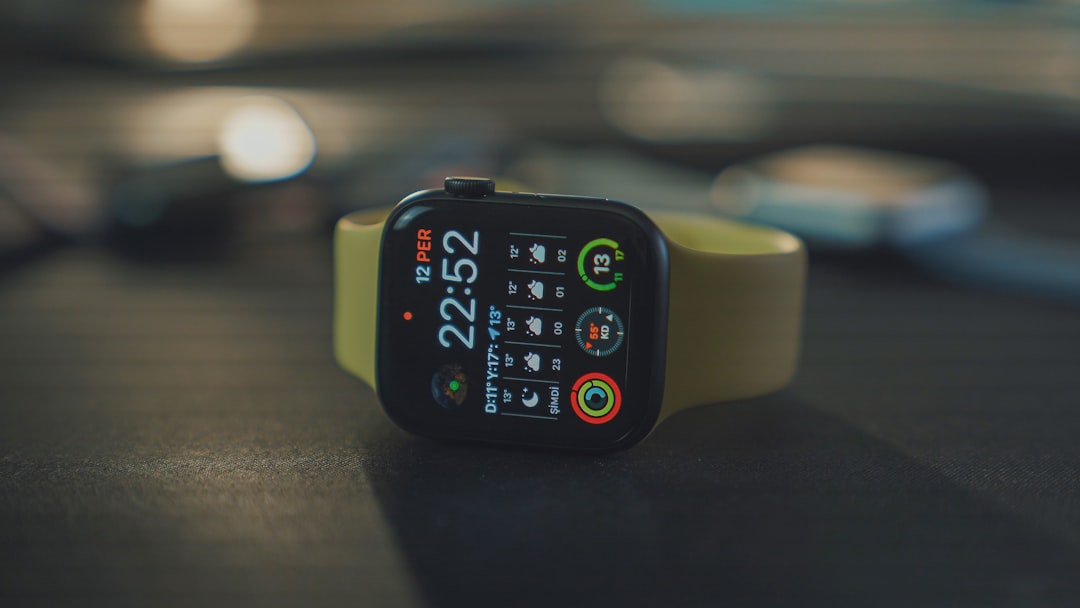
Another milestone of this revolution concerns the management of notifications and, even more surprisingly, Live Activities. Currently, the ability to receive and interact with iPhone notifications on a wearable device is almost an exclusive domain of the Apple Watch. But with iOS 26.5, things will change dramatically. Third-party smartwatches will be able to act as an extension of your iPhone, displaying alerts and allowing direct interactions, just as an Apple Watch would. This means that real-time information such as game scores, flight status, or delivery progress, previously the preserve of Live Activities viewable only on iPhone or Apple Watch, will also be accessible on devices from other brands. However, Apple has imposed a significant limitation notifications can only be forwarded to one connected device at a time. Enabling forwarding for a third-party device will automatically disable notifications on an Apple Watch, suggesting an attempt to balance compliance with the protection of its premium ecosystem.
Sponsored Protocol
A Hybrid Future The 2026 Vision
While the functionalities are already in an advanced testing phase within the iOS 26.5 beta, Apple has not yet provided an official launch date. However, the European Commission has indicated that these changes are expected to be implemented by 2026. This timeframe offers third-party accessory manufacturers an unprecedented opportunity to innovate and integrate their products more deeply into the Apple ecosystem, while remaining external to it. The impact on the wearable market will be considerable, with a potential increase in competition and greater choice for consumers. Although these changes are exclusively intended for users and manufacturers in the European Union, their implementation could serve as a precedent or a catalyst for similar demands in other jurisdictions, pushing Apple towards greater openness globally.
Sponsored Protocol
The transformation that iOS 26.5 will bring to Europe is not just an act of regulatory compliance but a watershed moment for the entire tech industry. Apple, the architect of an almost impenetrable digital ecosystem, is demonstrating that even giants must adapt to the tides of change. The future, which promises to be more interconnected and less exclusive, offers tangible benefits for millions of users, providing them with a freedom of choice and flexibility that until yesterday was unthinkable. The era of the "walled garden" is not over, but its gates are opening, at least for European citizens, towards unexplored horizons of interoperability and innovation.