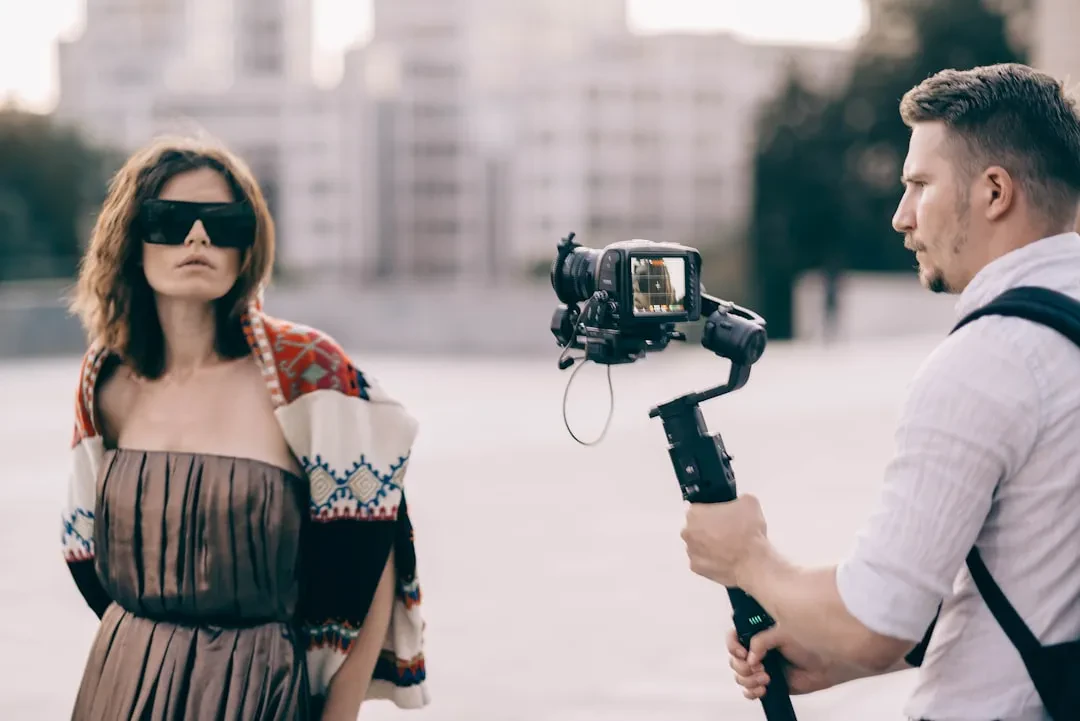
The landscape of mobile vlogging and video production is undergoing a radical shift thanks to two major announcements that aim to redefine creativity on the go. On one hand, the updated Blackmagic Camera app introduces Apple Watch remote control, offering videomakers unprecedented freedom. On the other, DJI teases its upcoming Osmo Pocket 4P gimbal with a dual-sensor setup that promises optical versatility and professional-grade stabilization. In this article, we dive into the technical details and industry implications.
Blackmagic Camera: Remote Control at Your Fingertip
The new version of the Blackmagic Camera app, already renowned for capturing Apple ProRes video with full stabilization, now integrates natively with Apple's wearable. With this compatibility, vloggers can start and stop recording, adjust exposure, and even control zoom directly from their wrist. This is a significant leap for solo operators, eliminating the need to physically touch the smartphone. Video quality remains top-tier, with professional codecs ensuring maximum flexibility in post-production. It is no coincidence that Apple and Blackmagic are pushing this synergy, as highlighted by the recent Apple and Intel renewed deal for chips on the 14A node, a sign of an increasingly integrated ecosystem.
Sponsored Protocol
DJI Osmo Pocket 4P: Dual Optics, Same Compact Design
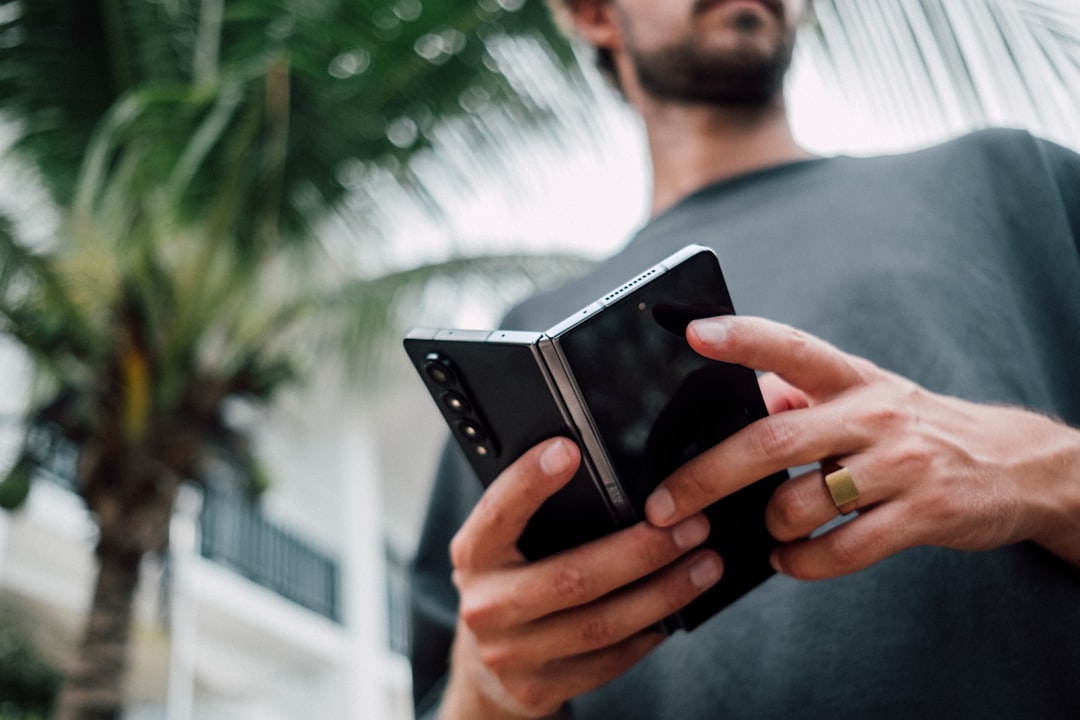
DJI has released a teaser of its new handheld gimbal, the Osmo Pocket 4P, which introduces a dual-camera system. The configuration includes a main wide-angle lens and a 3x telephoto zoom, a combination previously absent from the Pocket series. The design remains pocket-friendly, ideal for vloggers and creators on the move, but the optical versatility allows switching from wide shots to close-ups without sacrificing quality. The three-axis mechanical stabilization remains the core strength, while unconfirmed rumors suggest support for 4K recording at 120 fps. With an expected release in the coming weeks, the Pocket 4P is poised to become the ultimate tool for those seeking a balance between portability and performance.
Sponsored Protocol
Market Impact and the Future of Vlogging
These two announcements arrive at a time when vertical video content dominates social platforms, as evidenced by the recent adoption of vertical feeds by Prime Video. The ability to control the camera remotely via Apple Watch and to have dual optics on a pocket-sized gimbal opens new frontiers for creativity. Vloggers can capture themselves in motion, explore dynamic angles, and maintain cinematic quality without bulky gear. The convergence of DJI hardware and Blackmagic software (backed by ecosystems like Apple) is redefining what 'mobile production' means. For a deeper look into Blackmagic Design's history, visit the Wikipedia entry.
Sponsored Protocol
In conclusion, the vlogging landscape in 2026 receives a decisive push toward professional-grade mobile content. Whether you are a beginner creator or an experienced filmmaker, these technologies make high-level video production more accessible. Stay tuned for hands-on tests and full reviews.