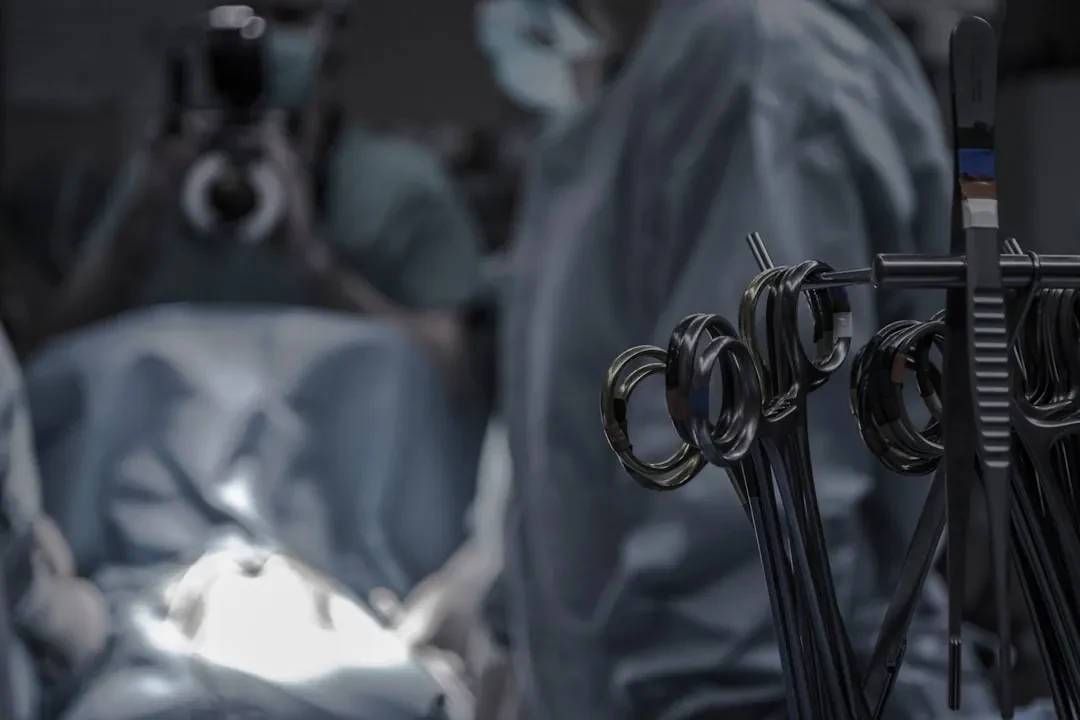
Coherence Neuro has announced the first human test of its brain implant designed to detect and treat tumors. The coin-sized device was temporarily placed in the brains of three patients during surgery at the Royal Melbourne Hospital in Australia. The implant remained in place for about 30 minutes before removal, providing a critical safety check before long-term studies can proceed.
This test marks a significant step for the company, which aims to develop a brain-computer interface capable of recognizing the unique electrical signals of tumors and delivering targeted electrical stimulation to inhibit their growth. The patients had consented before the operation.
The electrical nature of brain tumors
The idea of using electrical stimulation to treat brain tumors stems from the observation that cancerous tissues have distinct electrical properties. As Ben Woodington, CEO and cofounder of Coherence, explains, 'These are electrical conditions, just like epilepsy, just like depression. This is a network problem in the brain.' In 2019, researchers at Stanford University showed that high-grade gliomas form synapses with healthy neurons to fuel their growth. Antiepileptic drugs and low-intensity electrical stimulation have proven effective in slowing tumor progression in animal models.
Sponsored Protocol
Coherence's device builds on this research. With 16 threads extending into brain tissue, the implant is designed to be placed during tumor resection surgery. Even when a tumor is fully removed, recurrence is common; the device aims to prevent that.
Comparison with existing therapies
Currently, a wearable device called Optune, developed by Novocure and approved in 2011 for glioblastoma, uses adhesive electrodes on the scalp. However, it requires shaving the head and carrying a battery in a backpack. Coherence aims to offer a more convenient and continuous solution, with an implant that constantly monitors the brain and adjusts stimulation in real time.
Sponsored Protocol
For glioblastoma, the most aggressive form of brain cancer, patients have few options. The prognosis is grim: average survival is 15 to 18 months, with a five-year survival rate below 10%. Currently, MRI scans are performed every two to three months, but tumors can accelerate suddenly. Coherence intends to fill this gap with continuous monitoring and personalized therapy.
Future prospects and upcoming trials
The company plans to launch a trial in 2027 with permanent implantation in glioblastoma patients. A dedicated app will allow patients to log symptoms, while physicians can adjust therapy remotely. The device could also signal rapid tumor growth, enabling timely surgical intervention before an MRI would detect it.
Sponsored Protocol
Matthew MacDougall, Neuralink's head neurosurgeon, is an advisor and investor in Coherence, highlighting the growing interest in brain-computer interfaces for medical applications. Rory Murphy, a neurosurgeon at Barrow Neurological Institute involved in a Neuralink trial, will also participate in future Coherence studies.
For more on regulatory challenges in AI, read our article on Anthropic vs the US government. Also, discover how Google invests in creative AI tools in our piece on Google invests $75 million in A24.
For scientific background, refer to the Wikipedia page on brain-computer interfaces.
Source: https://www.wired.com/story/three-people-have-gotten-cancer-detecting-brain-implants