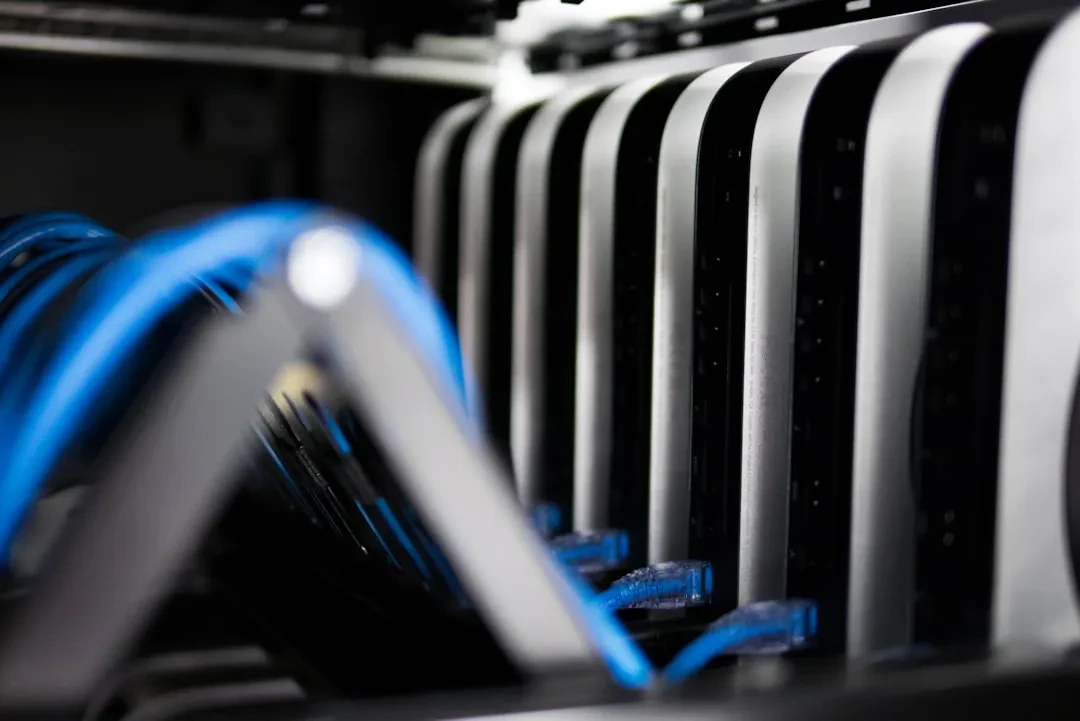
The growing water consumption of data centers is becoming a critical environmental issue. Google has announced an ambitious commitment: to replenish more water than it consumes globally by 2030, offsetting the freshwater footprint of its cloud and AI infrastructure.
The Data Center Water Problem
Data centers rely heavily on water for cooling servers, especially in hot climates. With the surge in AI and high-performance computing workloads, water demand has skyrocketed. Google, Microsoft, and other hyperscalers face scrutiny over their impact on water quality and availability in water-stressed regions.
Google's Strategy: Stewardship and Local Projects
To reach its water replenishment target, Google has expanded stewardship projects including river basin restoration, drinking water infrastructure funding, and partnerships with local communities. The company emphasizes data-driven transparency with annual consumption and replenishment reports.
Implications for the Tech Sector
Google's move comes amid rising regulatory pressure, including the EU AI Act which will require environmental impact assessments for high-risk AI models. Operators face a dual challenge: reduce water use while ensuring availability for communities. The path to a sustainable data center demands significant investment and a shift toward circular economies.
For deeper insights into European AI regulations, see our complete guide to the EU AI Act. A broader analysis of data center water issues is available on Engadget.
Sponsored Protocol