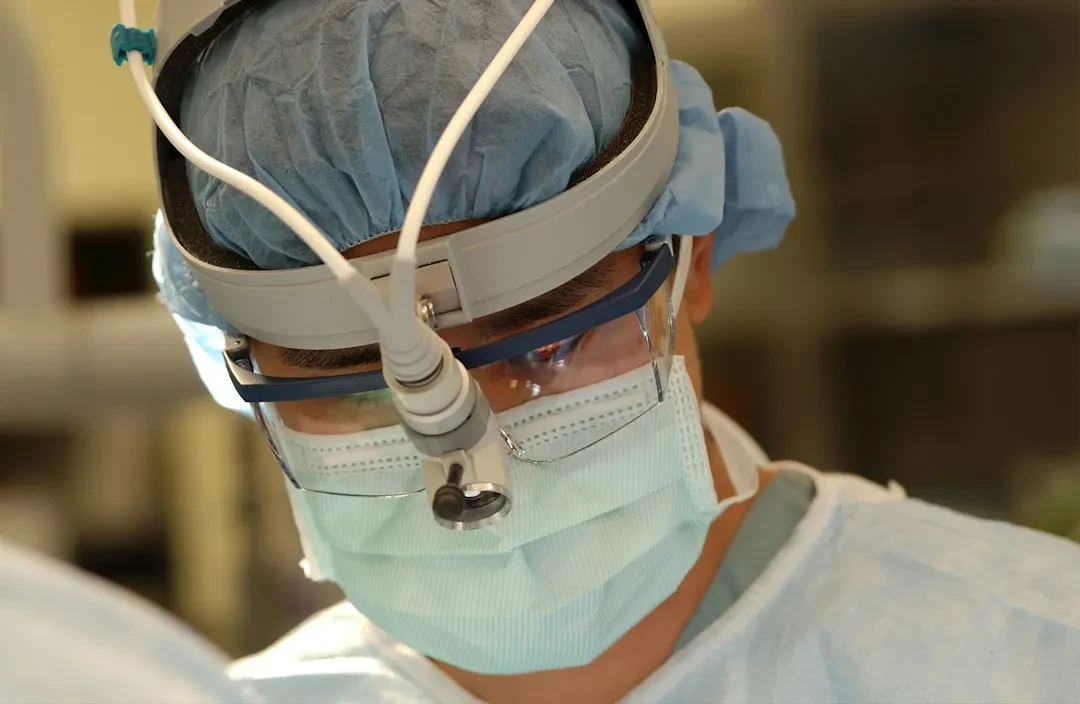
Specialized motors and machine learning algorithms have turned Turkey into a global powerhouse for hair transplants, a billion-dollar industry now attracting patients worldwide. The core of this revolution is not just competitive pricing, but a relentless process of innovation that has made cosmetic surgery more precise, faster, and more accessible.
From precision mechanics to artificial intelligence
Turkish clinics have developed specialized motors for follicle extraction and implantation, cutting operation times and increasing graft yield. The real leap comes from integrating machine learning algorithms that analyze thousands of images to plan optimal hair distribution and assist surgeons during critical phases. This combination of custom hardware and predictive software is the industry's secret weapon, as documented by an in-depth analysis from Wired.
Sponsored Protocol
A business model redefining medical tourism
Turkey does not just offer a service: it has built an ecosystem. Flights, hotels, transport and post-operative care are bundled into all-inclusive packages, pushing medical tourism to new heights. The use of AI for diagnosis and outcome simulation boosts patient confidence and reduces error margins. In a market where aesthetics meets technology, Turkey's approach is becoming a replicable model for other nations. For those following applied innovation, this case study recalls how hardware and software can converge in unexpected fields, similar to the recent AMD solutions for affordable gaming like the Ryzen 7 7700X3D.
Sponsored Protocol
Implications for the future of cosmetic surgery
Turkey's hair transplant industry shows that technological innovation can scale even in traditionally artisanal fields. Specialized motors and machine learning algorithms not only optimize results but lower entry barriers for new players. This case marks a turning point: artificial intelligence is no longer just for chips and software, but is rewriting the rules of global aesthetic medicine. The next step could be full procedure automation, with robots operating autonomously under surgeon supervision.