Telemedicine takes a major leap forward. Shanghai Microport MedBot announced on June 22, 2026, that its Toumai robotic surgery system received CE marking, opening the European market to a technology set to transform access to specialized care. The approval follows a landmark procedure: a London surgeon operated on a patient in Gibraltar over 2,400 kilometers away.
Toumai system clears clinical and regulatory hurdles
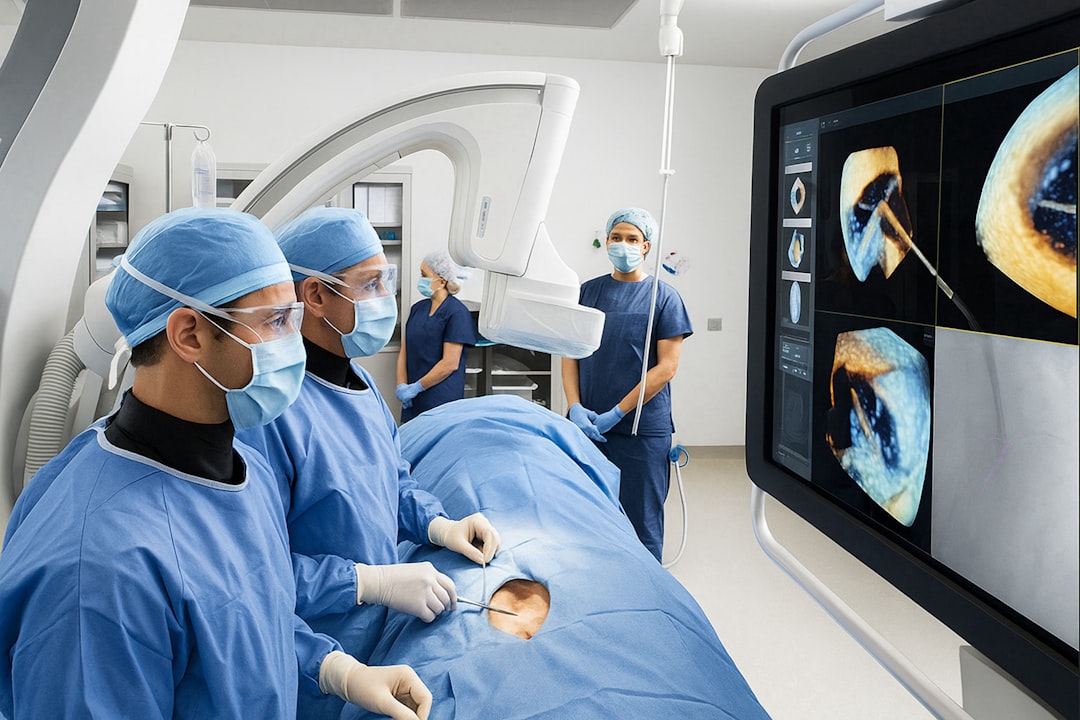
The Toumai robot comprises three components: a surgeon console, a patient cart with robotic arms, and a vision cart. It uses 5G connectivity to transmit commands in real time, allowing doctors to perform abdominal and pelvic surgeries without being physically present. CE certification, the European conformity mark, enables MedBot to market the device freely across all 27 EU member states. As reported by the South China Morning Post, the company can now offer Toumai to European hospitals, accelerating the adoption of remote robotic surgery.
Sponsored Protocol
Clinical milestone: remote prostatectomy from London to Gibraltar
The path to approval was paved by a notable clinical success. In March 2026, Professor Proskar Dasgupta, a urologist at Guy's and St Thomas' Hospital in London, performed the UK's first total remote prostatectomy on Paul Buxton, a 62-year-old Gibraltar resident. The operation took place in real time via the Toumai system. The patient told the BBC he eagerly accepted the experimental procedure, seeing it as a chance to "become part of medical history." Gibraltar, a British Overseas Territory, has only one hospital, often forcing residents to travel 1,500 miles to the UK for complex surgeries. Telerobotic surgery eliminates this barrier.
Market impact and European prospects
The EU approval arrives during a growth phase for MedBot. The company's overseas sales surged from 20% of revenue in 2023 to 73% in 2025. CE marking is expected to catalyze further partnerships with European healthcare providers. However, widespread adoption faces challenges. European data privacy regulations and 5G latency standards demand rigorous compliance. Geopolitical tensions may also affect trade barriers, as highlighted in a recent article about OpenAI tightening restrictions on Europe, reflecting growing tech restrictions between China and the West. So far, Toumai has passed clinical and regulatory tests, proving that telesurgery can become a concrete reality.
Sponsored Protocol
The challenges of connectivity and security
Toumai's success hinges on maintaining stable, low-latency 5G connections. During Buxton's operation, Professor Dasgupta said he felt "almost as if I was there." Cybersecurity remains a critical concern: a hack or network failure could have fatal consequences. MedBot has integrated advanced encryption and network redundancy. However, ethical debates on telesurgery reliability persist. Similar issues arise in other tech sectors, such as Apple's request to buy chips from Chinese CXMT, where national security and innovation intersect.
Sponsored Protocol
Toward a new era of surgery
CE marking for Toumai marks a turning point. It is not just a commercial milestone but a step toward a more accessible healthcare model. Patients in remote areas or with limited hospital facilities can now access specialists without traveling. MedBot's 73% overseas revenue in 2025 underscores global demand. With EU approval, Toumai is poised to compete with established systems like Intuitive Surgical's da Vinci. Telesurgery, once confined to research labs, now enters mainstream clinical practice.