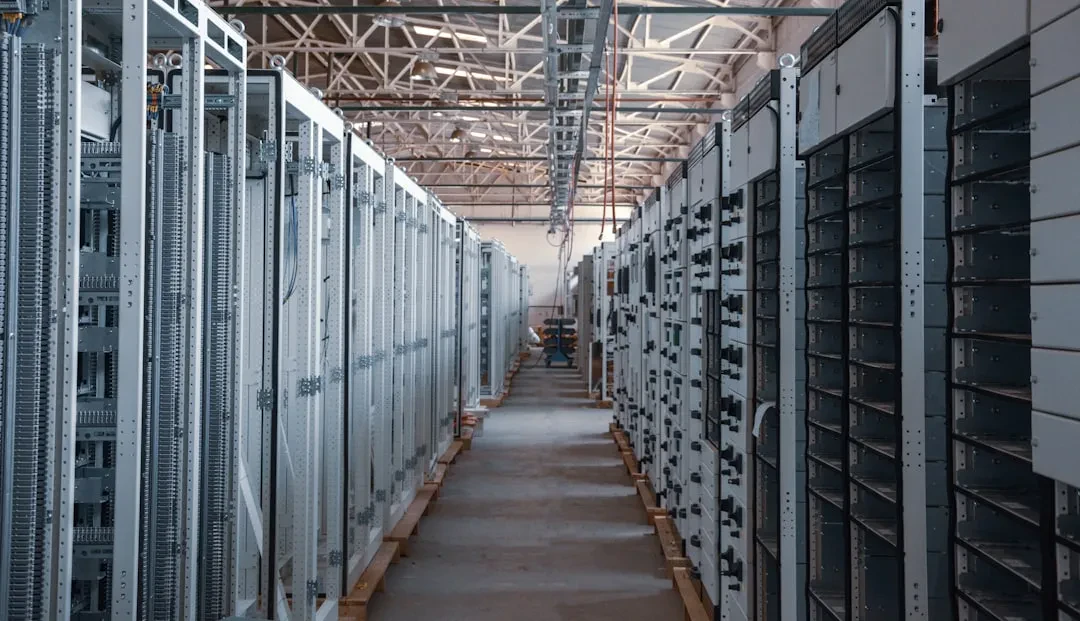
The AI infrastructure landscape is becoming increasingly polarized. On one side, Meta has signed its first deal in India with Reliance for a 168-megawatt data center, designed to support global AI workloads. On the other, the Seattle City Council has approved a one-year moratorium on the construction of large data centers, marking a significant regulatory shift. Meanwhile, Cohere has open-sourced North Mini Code, a coding agent model that runs on a single H100 GPU, offering a cost-effective and local alternative to proprietary models.
Expansion versus regulation
The Meta-Reliance agreement includes a 168 MW facility with room for expansion, highlighting Big Tech's insatiable demand for compute power. Seattle's move, however, reflects growing concerns about environmental impact and energy consumption. This friction between development and local restrictions forces companies to rethink location strategies, pushing toward more efficient and distributed solutions.
Cohere's open-source alternative
North Mini Code, a mixture-of-experts model with 30 billion parameters but only 3 billion active per token, is purpose-built for agentic software engineering. It supports a 256,000 token context window and generates up to 64,000 tokens. The cost is drastically lower than models like Claude Fable 5, which charges $50 per million output tokens. For enterprises, this means running agentic coding pipelines on local hardware, reducing reliance on expensive APIs and ensuring data sovereignty.
Concrete implications for businesses
Teams building agentic pipelines face an architectural choice: invest in massive data centers or adopt compact, efficient models. Seattle's decision could accelerate adoption of solutions like North Mini Code, while Meta's investment shows AI power demand won't slow down. Flexibility is key: those who can combine on-premise infrastructure with open-source models will gain a competitive edge.
For further reading, check the analysis on AI agent costs in Europe and compare with Google's AI price war.
Sponsored Protocol