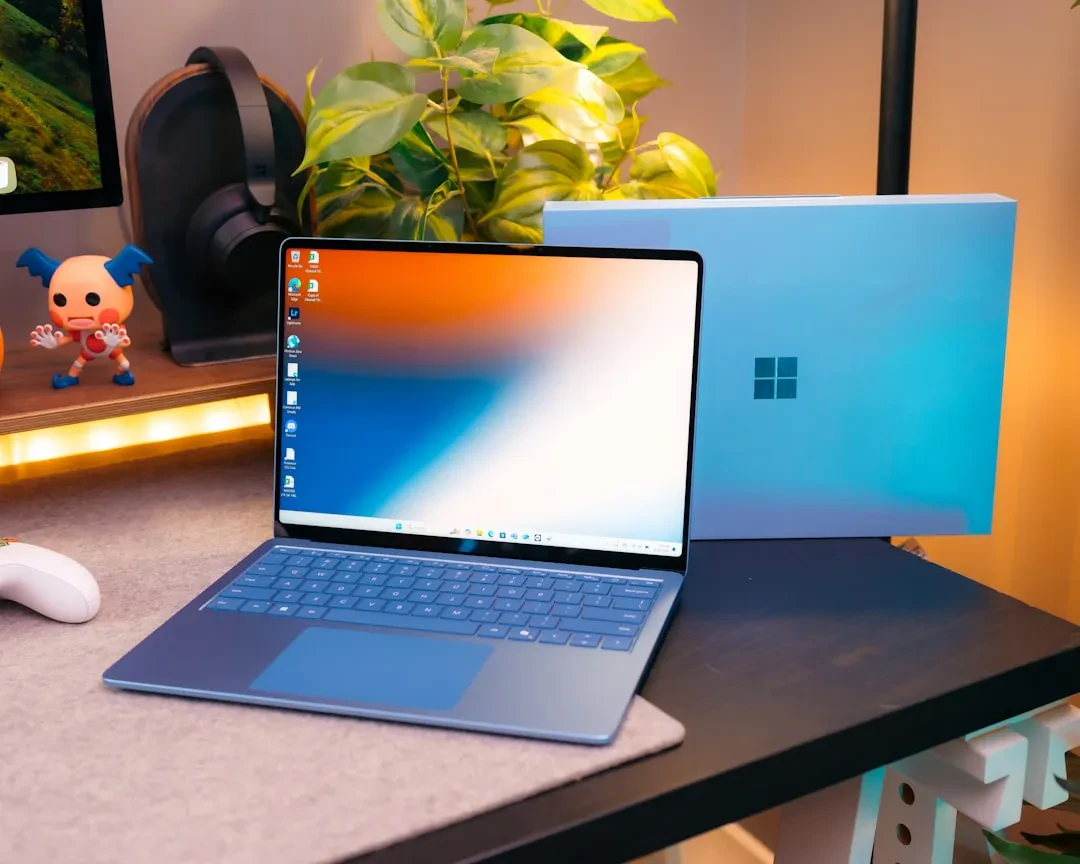
The high-end PC market is witnessing a significant strategic move by Microsoft. This week, the Redmond-based company implemented a substantial price increase across all its Surface line devices. This decision, making Surface models more expensive than their Mac counterparts, is justified by rising production costs, particularly concerning essential memory and components.
Implications for the Surface Offering
The price hike has affected the entire Surface range. The 12-inch Surface Pro, previously Microsoft's most accessible PC starting at $799, now retails for $1,049. Even the flagship 13-inch Surface Pro with 512GB of storage sees its price climb to $1,499, up from $1,199 at its 2024 launch. Similarly, the 13-inch Surface Laptop has gone from a starting price of $899 to $1,149, while the 13.8-inch and 15-inch models have seen increases from $999 to $1,499 and $1,299 to $1,599, respectively. For some models, these increases mark the second price revision since their introduction.
Sponsored Protocol
Competitive Comparison with Apple
Microsoft's move is particularly noteworthy when viewed in the context of its competition with Apple. The 13.8-inch Surface Laptop 7 with 16GB of RAM and 256GB of storage, which was previously $100 cheaper than a MacBook Air M4, now costs $400 more than the 512GB MacBook Air M5. Although Apple also increased MacBook Air prices (from $999 to $1,099 with the M5 upgrade), it did so while offering more base SSD storage. Microsoft asserts that its Surface Laptop 7 is faster than the MacBook Air M4, but the price difference is considerable. The top-tier Surface Laptop 7 model, equipped with 64GB of RAM and a 1TB SSD, reaches $3,649, exceeding the price of the 16-inch MacBook Pro M5 Pro with a similar configuration (64GB RAM, 1TB SSD) which costs $3,300. It is also worth noting that Apple's M5 Pro chip offers superior performance to the Snapdragon X Elite used in the new Surface devices.
Sponsored Protocol
Reasons for Increases and Future Outlook
A Microsoft spokesperson attributed the cost increase to escalating prices for memory and components in the global market. The growing demand for memory for AI-focused data centers is limiting manufacturing capacity for consumer devices, impacting suppliers like Samsung, which have also raised prices on some of their smartphone and tablet models. It is anticipated that future Surface devices, expected later this year, will follow this trend of higher pricing. This situation indirectly benefits Apple, whose devices are now perceived as a more competitive option in terms of value for money, despite their own chip upgrades.
This scenario highlights the current challenges in the technological supply chain, influenced by the strong push towards AI and global market dynamics. For those seeking Windows devices, it might be prudent to carefully evaluate available options or consider alternatives such as integrating artificial intelligence into digital workflows, an area where platforms like Google Chrome is enhancing AI with 'Skills'.
Sponsored Protocol
Source: https://www.macrumors.com/2026/04/14/microsoft-surface-pc-price-hike