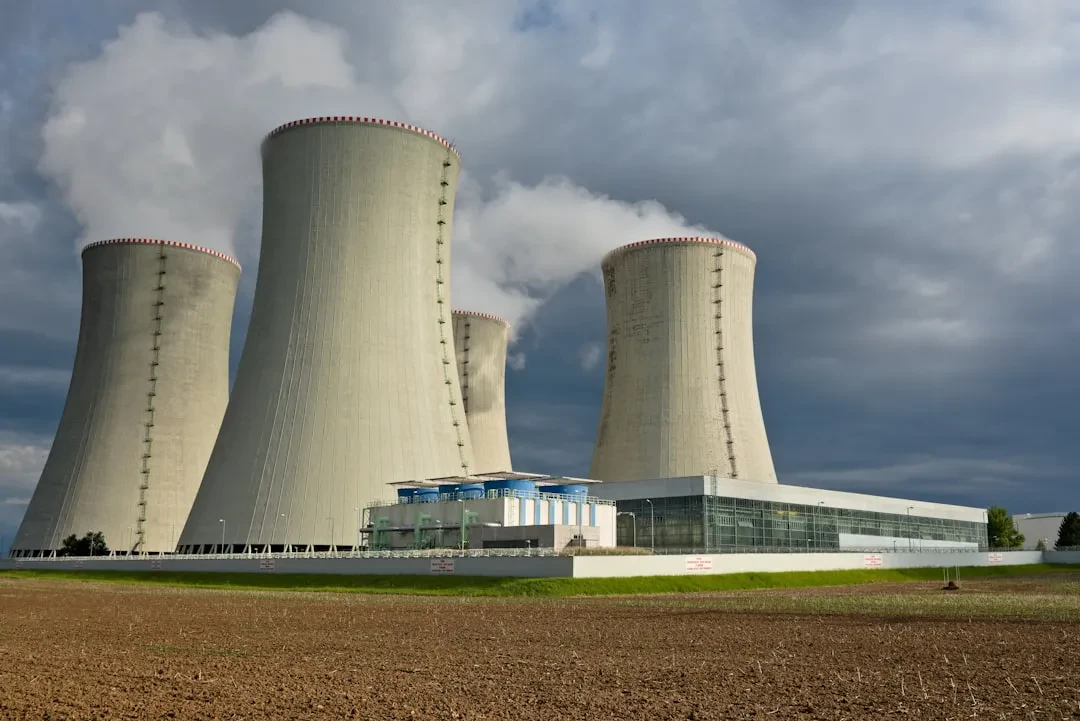
The United States government holds dozens of tons of plutonium from decommissioned warheads. Now, the Trump administration is pushing nuclear startups to find a commercial use for this highly sensitive material. A move that could redefine the energy landscape and pose unprecedented technological and security challenges.
A Dangerous Treasure and Its Potential
Weapons-grade plutonium is an extremely powerful nuclear fuel. Its energy density exceeds that of enriched uranium, but its handling is complex due to high radiotoxicity and proliferation risks. The idea of converting this arsenal into clean energy is not new, but the current government push provides an unprecedented regulatory and financial framework. Startups are called to develop fourth-generation reactors capable of burning plutonium safely and efficiently.
Sponsored Protocol
The program fits into a broader context of reviving civilian nuclear power in the US, as shown by investments in modular technologies and collaboration with private companies for space and lunar missions, a topic explored in the article analyzing the comparison between Starship IPO and SpaceX and NASA lunar missions.
Technical and Regulatory Challenges for Startups
Using plutonium for commercial reactors requires cutting-edge engineering solutions. Fast neutron reactors, for example, can transmute plutonium into less hazardous isotopes, but their design is still experimental. Startups must overcome barriers related to NRC licensing, physical site security, and logistics of transporting the material. The deadline for proposals is imminent, and many teams are preparing to present their projects at events like TechCrunch Disrupt 2026, where energy topics are central.
Sponsored Protocol
Furthermore, public resistance and environmental concerns remain significant obstacles. Plutonium evokes images of atomic weapons and nuclear disasters, making social consensus hard to achieve. Companies will need to invest in transparency and safety campaigns.
Geopolitical and Economic Implications
This initiative could reduce US dependence on foreign uranium suppliers and strengthen American technological leadership in nuclear power. At the same time, it raises non-proliferation questions: the civilian use of weapons-grade plutonium requires stringent control measures to prevent technology or material theft. The international community is watching closely, and the European Union has already expressed reservations, as highlighted in a previous article on tensions between Volvo and Ferrari in the future of connected cars touching on tech geopolitics.
Sponsored Protocol
From an economic standpoint, access to free (or low-cost) material could lower the entry barrier for startups, but development and licensing costs remain extremely high. The government is offering tax credits and loan guarantees to spur innovation.
Ultimately, the Trump administration's decision marks a turning point for nuclear energy. Startups that tame plutonium could become pillars of a new energy era, provided they overcome enormous technical and political hurdles. For further scientific background, consult the Wikipedia page on plutonium.