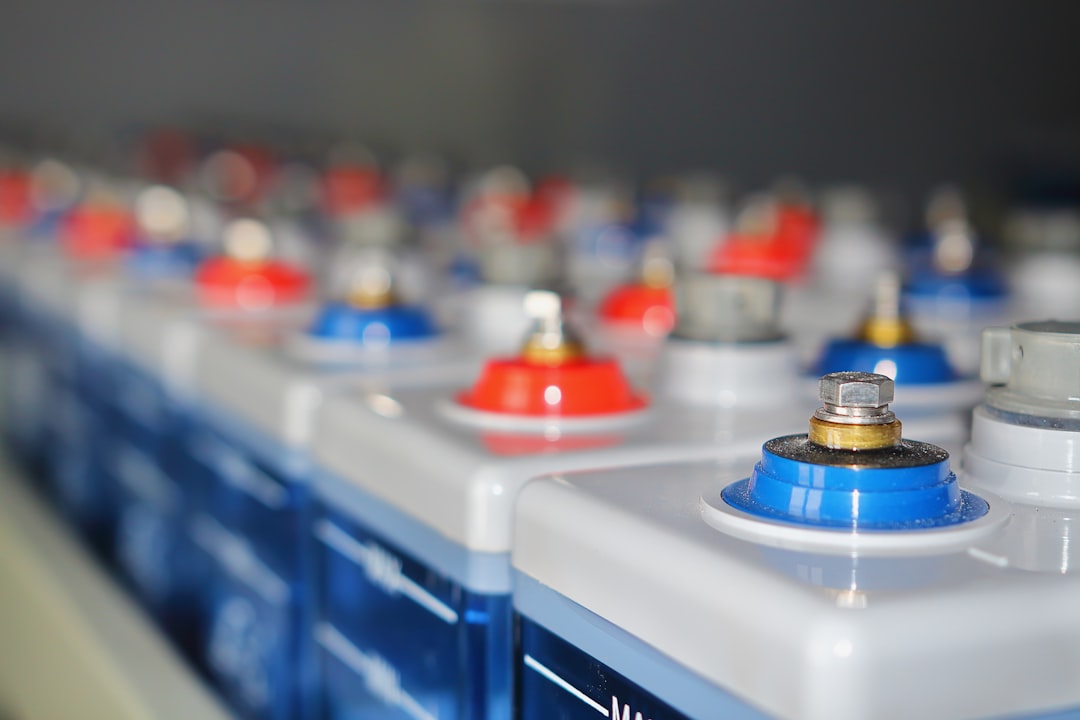
The battery industry has long been dominated by Chinese giants like CATL and BYD, but a Taiwanese startup, ProLogium, aims to change the game with revolutionary solid-state technology. Solid-state batteries, considered the future of energy storage, could reshape the competitive landscape, and ProLogium claims it is ready for mass production by 2027. Founded by CEO Vincent Yang, a materials science PhD with over 20 years of experience, the company recently unveiled its fourth-generation solid-state battery, stating it will be cheap and easy to mass-produce.
Breakthrough in fourth-generation solid-state batteries
The key to solid-state batteries lies in replacing the liquid electrolyte with a solid one, delivering greater safety, energy density, and cold resistance. Mass production has been hindered by high costs and technical challenges. ProLogium says it has overcome these hurdles, and to prove it, the company has broken ground on a gigafactory in Dunkirk, France, thanks to a €1.5 billion local government grant. The plant is expected to start production by late 2028, marking a major step for European energy independence.
Sponsored Protocol
Global race for battery supremacy
Competition is fierce beyond ProLogium. In China, the government formed the All-Solid-State Battery Collaborative Innovation Platform (CASIP) to coordinate efforts by giants like CATL and BYD. Toyota and Samsung are also in the race, while American startups QuantumScape and Solid Power seek a foothold. However, solid-state batteries require different materials and production methods, leveling the playing field. According to Jiayan Shi, a researcher at BloombergNEF, the less mature supply chain offers an opportunity for non-Chinese players but also vulnerability to disruptions in Chinese-controlled materials like graphite and lithium.
Sponsored Protocol
From cars to AI data centers: the first market may not be automotive
Although solid-state batteries are often linked to electric vehicles, their high cost may limit early adoption in that sector. Vincent Yang points instead to emerging markets: robots and AI data centers. Safety is paramount in these areas: a traditional battery fire can be left in a parked car, but not in an electric aircraft. ProLogium already partners with VinFast, which is shifting solid-state battery use from cars to AI data centers. This connection to AI echoes global dynamics described in the article on Anthropic and OpenAI, where tech competition intertwines with geopolitics.
Sponsored Protocol
Protectionism as an opportunity for newcomers
Amid rising geopolitical tensions, many countries seek to reduce dependence on Chinese technology. The European Union's Net-Zero Industry Act aims to produce 40% of Europe's battery demand locally by 2030. ProLogium has benefited from the French incentive and is exploring opportunities in the United States, according to its SEC filing. Yang admits protectionism can be an advantage: his company has no factories in China, a plus for clients demanding non-Chinese suppliers. The race is open, and as Yang says, competition is a sprint against the world's best, but the technical challenge remains tough for everyone.
Source: https://www.wired.com/story/prologium-battery-startup-betting-against-china