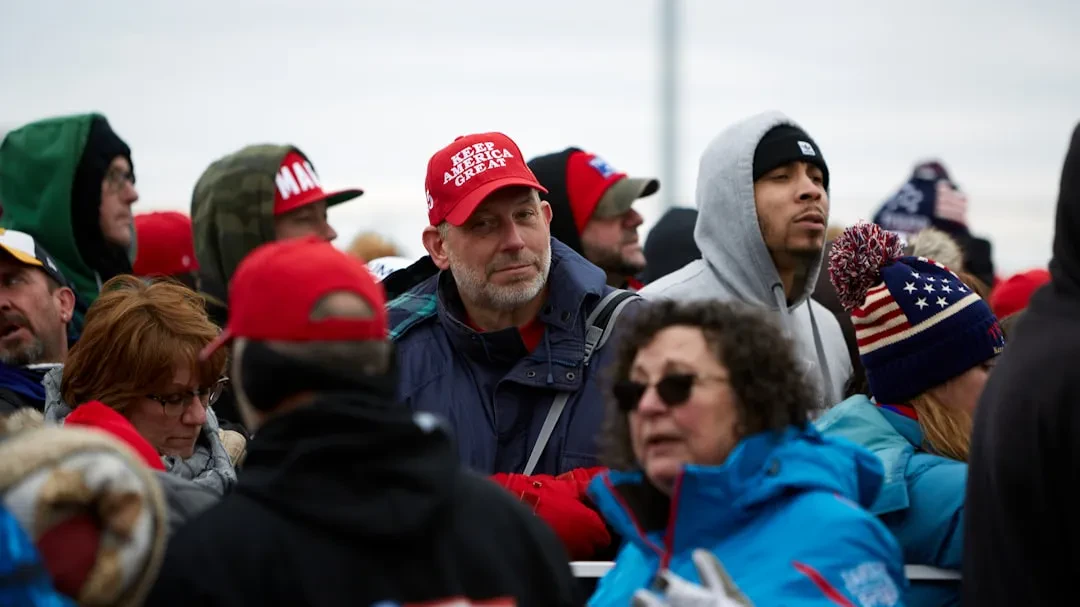
Dan Greaney, a longtime writer for The Simpsons, held his first campaign rally for the White House in Los Angeles. The event, described as 'not a joke' by Greaney himself, marks a turning point in how technology is used in political campaigns. The candidate leveraged digital platforms and artificial intelligence tools to mobilize supporters, in a context where cybersecurity becomes paramount.
The intersection of satire and real politics
Greaney is not a traditional politician. His fame comes from writing iconic Simpsons episodes, often prophetic in nature. Now he aims to bring the same social analysis to the presidential race. His strategy relies heavily on social media, AI chatbots to engage voters, and an optimized fundraising website. As recent incidents show, AI can be a double-edged sword. The hack on Meta chatbots, detailed in our report on AI hacking via Meta, highlights the risks for campaigns adopting these technologies.
Why cybersecurity is a priority
The Greaney campaign must defend against threats such as prompt injection and phishing. OpenAI's new Lockdown mode, explained in our article Lockdown Mode, offers a barrier against targeted attacks on sensitive data. Greaney stated he plans to implement advanced security protocols to protect communications with volunteers and donors. The implication is clear technology can democratize campaigns, but without a robust security architecture, catastrophic breaches are possible.
The rally drew media attention, with Wired calling the candidacy 'a reflection of the fusion between pop culture and political activism.' Greaney used targeting algorithms to reach undecided voters and is considering end-to-end encryption for his campaign app. The question now is whether a tech-savvy outsider can truly compete with traditional communication giants.
Sponsored Protocol