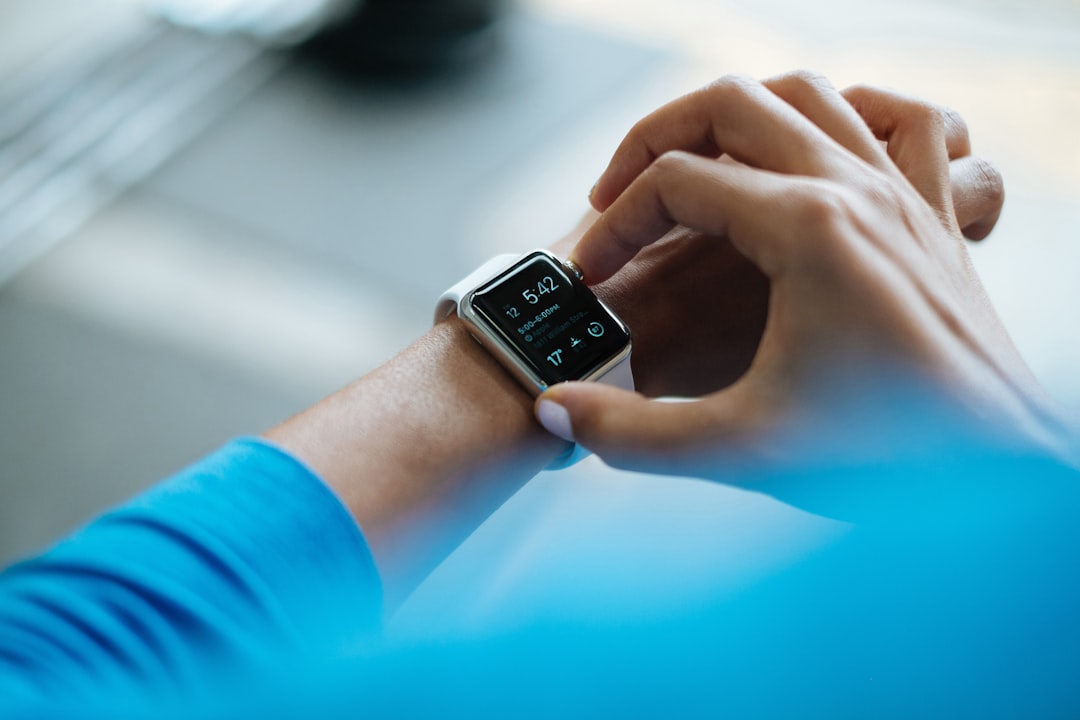
Smartwatches and wearable devices have evolved far beyond step counting. They now monitor heart rate, skin temperature, blood oxygen, heart rate variability, and sleep patterns. Tech marketing often suggests these gadgets are on the verge of becoming medical tricorders, but how reliable are they for spotting early signs of illness? Experts say wearables excel at detecting deviations from normal physiological patterns, yet they fall short when it comes to diagnosing specific conditions.
Wearables excel at spotting outliers in your body's routine patterns
The true strength of smartwatches lies in recognizing when the body strays from its baseline. These outliers can prompt a consultation with a doctor. One area with proven success is atrial fibrillation, an irregular heartbeat linked to stroke risk. In an Apple Watch study, irregular pulse alerts were confirmed as AFib 84% of the time. This makes it one of the few features doctors consider clinically useful, because AFib has a clear physiological signature that consumer wearables can detect reliably.
Sponsored Protocol
Many other health metrics lack the accuracy needed for clinical decisions
Unfortunately, the list of high-confidence metrics is short. Beyond AFib, only basic sleep patterns (not sleep stages) and step counts are deemed reasonably accurate from a medical standpoint. Blood pressure alerts, calorie estimates, and detailed sleep-stage tracking are not precise enough for clinical use. VO2 max and heart rate variability offer only rough fitness estimates. Moreover, a spike in resting heart rate could signal an infection, but also a poor night's sleep or alcohol consumption. False positives are common.
Sponsored Protocol
AI and sensor fusion help detect early physiological changes before symptoms appear
Long before flu or COVID-19 symptoms emerge, the body begins subtle changes. Combined variations in skin temperature, heart rate, and respiratory patterns, compared to baseline, can hint at an impending infection. Research shows wearables can detect these changes hours before symptoms. Companies like Google, Oura, and Whoop have introduced AI coaches to help users interpret data. Features like Oura's Symptom Radar and Apple's Vitals fuse multiple sensor inputs. However, much of this AI analysis happens behind the scenes, offering little that doctors can reliably act on. For more on managing health data, see the article on Digital Medical Records and GDPR compliance.
Sponsored Protocol
No substitute for professional medical advice despite technological advances
At best, AI health analyses encourage people to seek treatment earlier. At worst, they may replace doctor consultations with computer-generated advice. Current systems include disclaimers to consult real physicians, but the risk remains that wearable data is taken as the ultimate verdict. The future of wearable health is not a wrist-worn diagnostic device, but a tool that quietly monitors trends, alerts when something is off, and provides useful information to discuss with a healthcare professional. Technology is an aid, not a replacement. As noted by Wikipedia, atrial fibrillation requires medical diagnosis and specialized treatment.
Source: https://www.engadget.com/2206130/how-smartwatch-use-ai-to-detect-sickness