In today's dynamic technological landscape, the synergy between artificial intelligence and physical infrastructure is defining the next wave of innovation. SoftBank, a giant known for its bold investment initiatives, is charting an ambitious course by creating a new company dedicated to building data centers using advanced robotics. This strategic move not only addresses the growing demand for computational power for AI but also foreshadows a future where autonomous machines will play a crucial role in developing digital infrastructure. This initiative could also impact the ongoing discussions around cloud services and partner programs, like those concerning VMware.
The Intersection of Robotics and AI Infrastructure
The fundamental premise of SoftBank's new venture lies in the mutual dependence between AI and infrastructure. To power the ever-increasing capabilities of artificial intelligence, increasingly sophisticated and scalable data centers are required. Simultaneously, the construction and maintenance of these complex facilities can greatly benefit from the efficiency, precision, and safety offered by robotics. SoftBank appears to have grasped this correlation, positioning itself at the forefront of an emerging sector that promises to redefine traditional construction processes. The objective is clear to build cutting-edge infrastructure for AI, but with an innovative approach that employs robotics itself to accomplish this task. This virtuous cycle could significantly accelerate the availability of computational resources needed to develop more powerful and complex AI models.
Sponsored Protocol
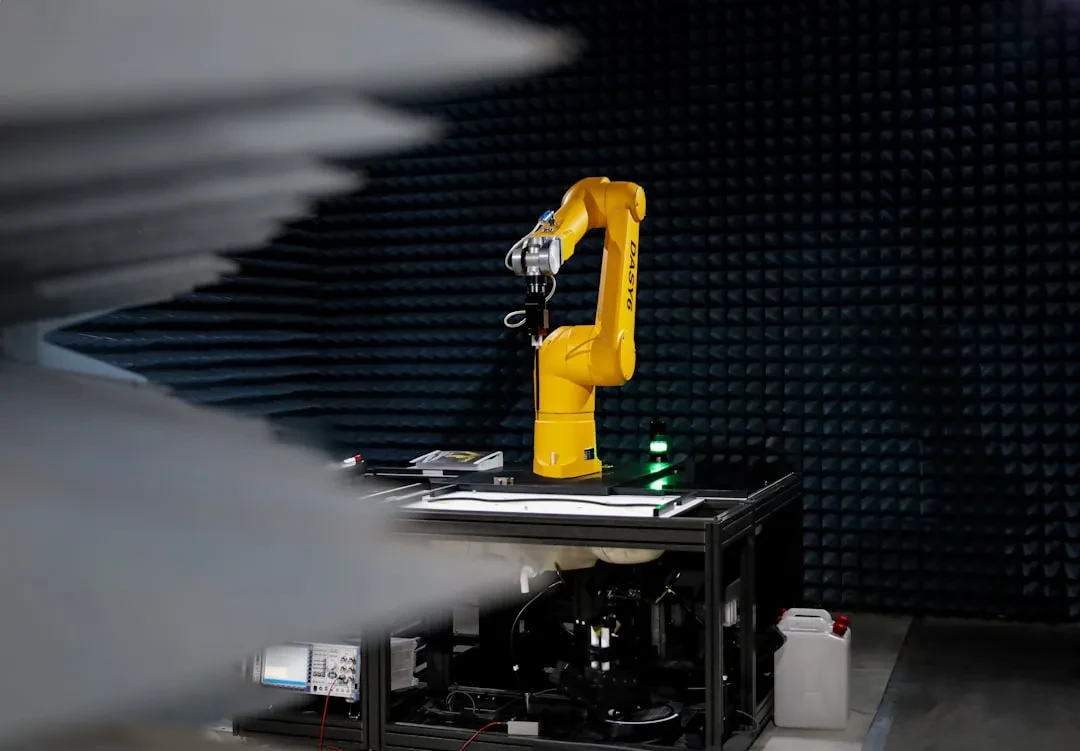
The creation of a company entirely focused on robotics applied to data center construction marks a significant step forward. Instead of delegating specific tasks to third-party providers, SoftBank intends to internalize the entire process, from conception to physical realization. This approach offers unprecedented control over quality, delivery times, and cost efficiency. Furthermore, it allows for the optimization of robotic operations based on the specific needs of data centers, anticipating potential bottlenecks and implementing tailor-made solutions. The use of advanced robots is expected not only to speed up construction but also to improve assembly precision, reduce human errors, and enhance workplace safety. This is a highly relevant topic in the sector, considering recent concerns about supply chain security that have affected widely used tools like the Trivy scanner.
Sponsored Protocol
A Vision for the Future and a Potential $100 Billion IPO
SoftBank's vision extends beyond mere data center construction. The company is aiming for an extremely ambitious financial goal, targeting an Initial Public Offering (IPO) that could reach $100 billion. This valuation underscores the immense perceived market potential for robotics-based infrastructure solutions applied to AI. SoftBank's strategy could trigger a new arms race in the technology infrastructure sector, pushing other players to explore similar approaches. The ability to rapidly and efficiently build state-of-the-art data centers will become a critical competitive advantage for companies operating in the fields of artificial intelligence and high-performance computing. The demand for this infrastructure is constantly growing, fueled by sectors such as machine learning, scientific research, and generative AI applications. The cloud service provider market is also continuously evolving, with specific demands driving innovation, as evidenced by requests to the EU regulator regarding the VMware partner program.
Sponsored Protocol
The impact of this initiative could be far-reaching, influencing not only the technology sector but also construction and robotics. The standardization of robotic construction processes for data centers could pave the way for greater modularity and scalability, reducing implementation times and operational costs. Furthermore, the experience gained could be transferred to other sectors requiring the rapid and precise construction of complex infrastructure. In an era where cybersecurity is increasingly critical, building secure and resilient data centers is paramount, a theme that continues to be at the forefront of expert attention, as highlighted by the assessments of Microsoft's cloud, described by some federal cyber security experts as a "pile of shit," despite being approved.
Sponsored Protocol