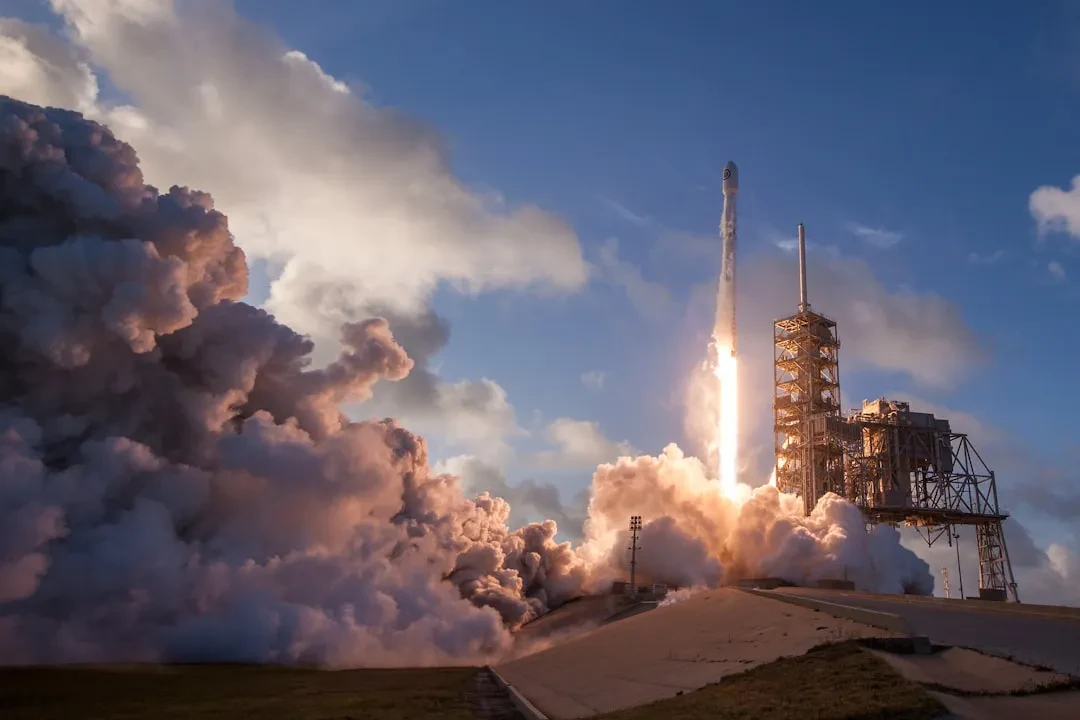
The global space ecosystem is undergoing a profound transformation, marked by uncertainty around the future of SpaceX's Starship after its recent IPO and renewed momentum from NASA toward the Moon. Two seemingly separate events that together paint a complex picture of the new space race.
The Starship Context
The path to full reusability for Starship now appears more challenging than expected. The S-1 filing for SpaceX's IPO, combined with the latest test flight of the rocket, provided two significant data points that offer a realistic vision for the coming years. As reported by TechCrunch, this vision may disappoint both the company's boosters and its critics. The dream of a fully reusable vehicle collides with engineering hurdles related to the heat shield, Raptor engines, and launch cadence. The IPO brought fresh capital but also introduced new obligations to shareholders, potentially pushing toward more conservative targets. Rapid reusability remains a distant goal, and the market awaits concrete signals on program progress.
Sponsored Protocol
NASA's New Lunar Missions
In parallel, NASA has announced ambitious plans to conduct up to three additional lunar missions by the end of 2026. According to an Engadget report, these missions will deliver payloads to the lunar surface and test equipment from Blue Origin and Astrolab. A clear signal that the US space agency intends to maintain pace with the Artemis program despite technical and budgetary difficulties. This is a significant acceleration involving commercial partners for landers and rovers, demonstrating the growing role of the private sector in space exploration. While SpaceX expands its commercial agreements such as the Starlink deal with American Airlines, NASA opts for a diversification strategy.
Sponsored Protocol
Two Contrasting Philosophies
The contrast between SpaceX's approach, focused on a single reusable vehicle, and NASA's risk-spreading across multiple players highlights two opposing visions. On one side, Musk's radical bet on cost reduction through extreme reusability; on the other, institutional caution favoring resilience. Both paths carry risks and opportunities. Blue Origin and Astrolab's tests on the Moon could provide valuable data for future crewed missions, while Starship's successes or failures will influence the entire space economy. The coming weeks will be critical to see if the roadmap is met. For deeper technical details on Starship, refer to the Wikipedia page.
Sponsored Protocol
Ultimately, the race to the Moon is not just a technological competition but also a test of economic models for space exploration. As 2026 progresses, the world watches closely to see whether SpaceX's private vision and NASA's public one can converge toward a shared future beyond Earth orbit.