The Spanish government has approved a royal decree requiring mobile network operators to install backup systems capable of maintaining connectivity for at least four hours during a power outage. The measure, to be enacted by the end of 2026, stems from the need to prevent catastrophic communication failures like the massive blackout that struck Spain, Portugal, and France last year, leaving millions without means to call for help or access critical information.
Strict requirements for large carriers
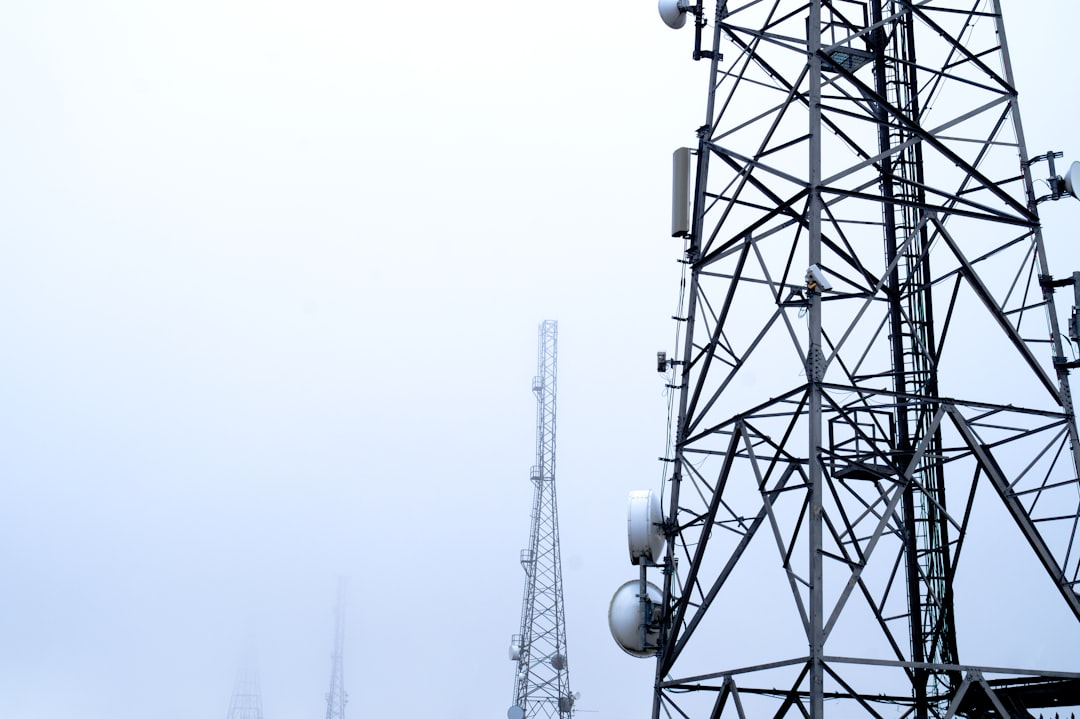
The new rules apply to companies serving at least 500,000 users or generating over €50 million ($56.9 million) in annual revenue. Operators must equip base stations with batteries or other storage systems. Coverage targets phase in over three years: 50% of the population in the first year, 65% in the second, and 75% in the third. This gradual approach gives carriers time to invest while ensuring rapid progress toward resilience. Spain's move highlights a growing global concern over the vulnerability of digital infrastructure to power grid instability.
Sponsored Protocol
Last year's heatwave blackout: a wake-up call for telecoms
The European heatwave of 2025 caused cascading power failures, during which mobile networks collapsed within minutes. The royal decree aims to guarantee that communications remain operational long enough to coordinate emergency responses. Carriers now face significant capital expenditure for long-duration batteries and emergency generators, with industry estimates running into hundreds of millions of euros. The mandate also addresses control centers and emergency call centers, which must maintain service for at least 24 hours and develop continuity plans, respectively, as reported by Reuters.
Sponsored Protocol
Critical infrastructure: 24-hour autonomy for national control centers
Beyond mobile networks, the decree requires control centers handling essential services for the entire country to stay operational for at least 24 hours after a blackout. Emergency call centers must have continuity plans in place. This comprehensive approach mirrors similar efforts in the United States, where the FCC is exploring backup power requirements for cell towers. Spain's strategy also aligns with broader European Union initiatives to strengthen critical infrastructure resilience.
The role of satellite connectivity in future emergency communications
Some experts note that the mandate for terrestrial backups may become less crucial as satellite direct-to-phone technology matures. However, for the foreseeable future, ground-based solutions remain the most reliable. The Spanish decree sets a precedent that other countries may follow. The cost of compliance could eventually trickle down to consumer prices, a trend already seen in other tech sectors. For instance, recent price hikes on Apple's Mac Mini reflect similar cost pressures. Meanwhile, massive infrastructure investments like Amazon's $13 billion commitment in India underscore the global push for resilient digital ecosystems. For more background on power outages, see the Wikipedia page on power outages.
Sponsored Protocol