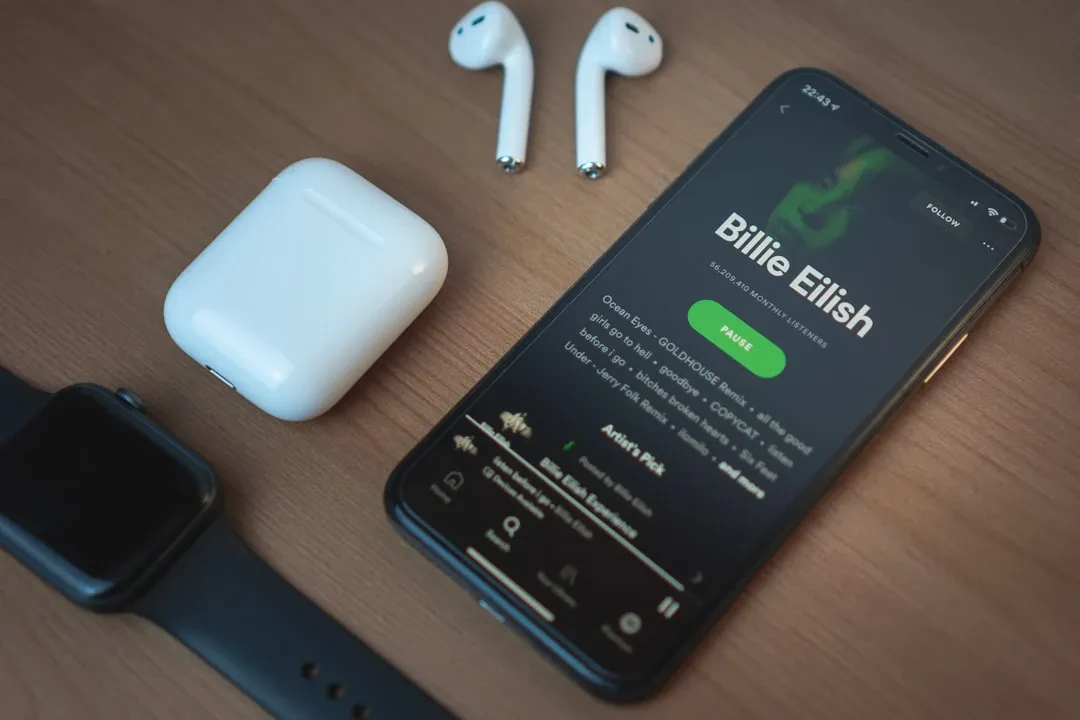
In the ever-evolving landscape of music streaming, Spotify has taken a significant step by listening to the needs of its vast user base. As of today, music enthusiasts finally have the ability to completely disable video playback within the application, ensuring a focused and distraction-free listening experience. This move responds to a growing demand from a segment of the audience that prefers traditional audio consumption, clearly separating music from visual content.
Full Control Over Your Visual Experience
The new feature, introduced with a targeted update, offers granular controls for managing video presence. In addition to the existing toggle for Canvas, a feature that displays short looping video clips on the 'Now Playing' screen, two new toggles have been added. The first allows users to choose whether or not to play actual music videos, while the second, called 'all other videos,' manages the display of content such as video podcasts, vertical 'TikTok-style' clips, and short promotional messages from artists. These controls are easily found in the 'Content and Display' settings section and apply universally across all platforms, including family accounts where a manager can set preferences for all plan members.
Sponsored Protocol
Spotify's Evolution Between Audio and Video
In recent years, Spotify has progressively integrated video content to enrich its offerings and attract a wider audience. The introduction of Canvas in 2018 marked the beginning of this transition, followed by video podcasts in 2020, a format that saw a boom during lockdown periods. In 2024, the platform also embraced music videos, further expanding viewing possibilities. According to company statements, over 70 percent of users have expressed interest in additional video content as an experience enhancer. Despite these statistics, the introduction of the option to disable videos demonstrates considerable sensitivity towards those who do not want an 'overly social' listening experience or one similar to platforms like TikTok, thus preserving the essence of music discovery.
Sponsored Protocol
This newfound flexibility puts the user back at the center of the experience, allowing them to choose their desired level of interaction with the platform. Whether it's focusing solely on the pure passion for music, exploring new artists with their music videos, or enjoying a visual podcast, Spotify now offers unprecedented freedom. It serves as a reminder that even in the digital age, where hyper-connectivity is the norm, the ability to 'disconnect' from certain formats can represent an invaluable added value. This update might even influence how other media platforms approach video content integration, emphasizing user choice.
For those seeking high-performing devices that also offer great deals, it's worth checking out the latest promotions. For instance, the MacBook Air M5 on Amazon has reached an all-time low price, making it an excellent choice for those desiring power and portability without compromise. Innovation extends beyond computers, as seen in the field of autonomous mobility; the testing of Volkswagen MOIA's autonomous microbuses in Los Angeles opens up future scenarios for transportation.
Sponsored Protocol
In a world where artificial intelligence is revolutionizing every sector, from content creation to experience personalization, platforms like Spotify demonstrate that even large tech companies must remain agile and responsive to user demands. The ability to offer a customizable experience, whether audio-centric or enriched with visual elements, is key to maintaining user loyalty in an increasingly competitive market. Spotify's decision to put users in command of their visual experience is a bold and forward-thinking step.