SpaceX has scored a definitive victory in commercial aviation. American Airlines announced plans to install Starlink on over 500 Airbus aircraft, transforming the in-flight experience for millions of passengers. This move represents a triumph for Elon Musk's satellite connectivity program and further strengthens the path toward the highly anticipated SpaceX IPO. It is not merely a technological upgrade but a clear signal that the market for high-speed in-flight internet is ripe for radical disruption.
The American Airlines deal is the latest in a series of wins for Starlink in the aviation sector. After already securing partnerships with carriers like Delta and United, the vast constellation of low-Earth orbit satellites offers unprecedented global coverage. Passengers will finally enjoy a stable connection for streaming, video conferencing, and gaming during transcontinental flights. For SpaceX, this means recurring revenue and strategic positioning ahead of the stock market listing, expected by the end of the year.
Sponsored Protocol
Pentagon Pressure and the Strategic Value of Starlink
Alongside the commercial victory, details emerge on how SpaceX negotiated with the Pentagon. According to reliable sources, the company pressured the military to increase access prices for Starlink. This move, interpreted as a strategy to maximize the satellite infrastructure's monetization, raises questions about the US government's reliance on a single private provider. National security and defense are now intertwined with Musk's commercial ambitions, creating a delicate balance. The Department of Defense, historically accustomed to lower costs, now faces renegotiating terms that reflect the constellation's growing value.
These dynamics fit into a broader context of tech regulation. The European Union, for example, is tightening its grip on American big tech, as seen in the blocking of cloud acquisitions and prediction markets in Europe. While Starlink expands its global footprint, European authorities may scrutinize the concentration of power in a single company. An interesting connection emerges with recent restrictive measures: Europe Tightens Grip on US Tech: a sign that even the space and communications sector could come under review.
Sponsored Protocol
The Cybersecurity Challenge in the Skies
Installing Starlink on commercial fleets also opens new frontiers for cybersecurity. Every antenna onboard an aircraft becomes a potential entry point for hacker attacks. While SpaceX guarantees end-to-end encryption, recent history reminds us that no system is inviolable. Recent ghost hacker attacks and data breaches at global companies like 7-Eleven demonstrate that the threat landscape is constantly evolving. American Airlines and other carriers will need to invest in robust security protocols, integrating satellite solutions with onboard firewalls and real-time monitoring. For deeper analysis on digital security evolution, see the report on Ghost Hackers and the New Era of Security.
Sponsored Protocol
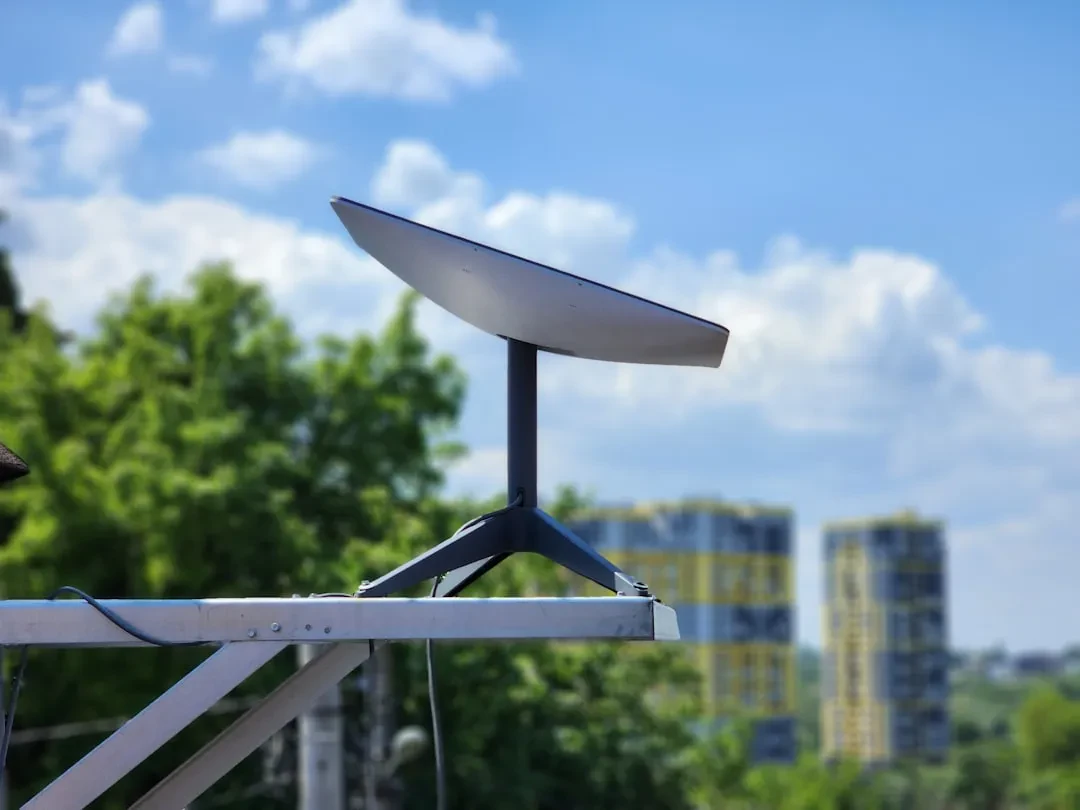
From a technical standpoint, Starlink uses a low-Earth orbit (LEO) constellation with latency under 20 milliseconds, comparable to terrestrial fiber optics. Phased array antennas, mounted on the wing or fuselage, automatically lock onto moving satellites. For American Airlines, the installation on 500 Airbus aircraft will require a progressive retrofit over the next two years, with an estimated cost of around $100 million, but the return in customer loyalty and ancillary advertising revenue is projected to be much higher.
With the IPO approaching, every commercial contract boosts SpaceX's valuation, which could exceed $300 billion. Starlink's ability to generate cash flow reduces dependence on new funding rounds, but the Pentagon pressure shows the company is not shy about leveraging its dominant position. For an independent overview of Starlink technology, refer to the Wikipedia page.
Sponsored Protocol
In conclusion, the American Airlines contract and the Pentagon negotiations paint a picture of a company riding an unprecedented technological success while navigating commercial ambitions and geopolitical expectations. For SpaceX, the sky is no longer the limit.