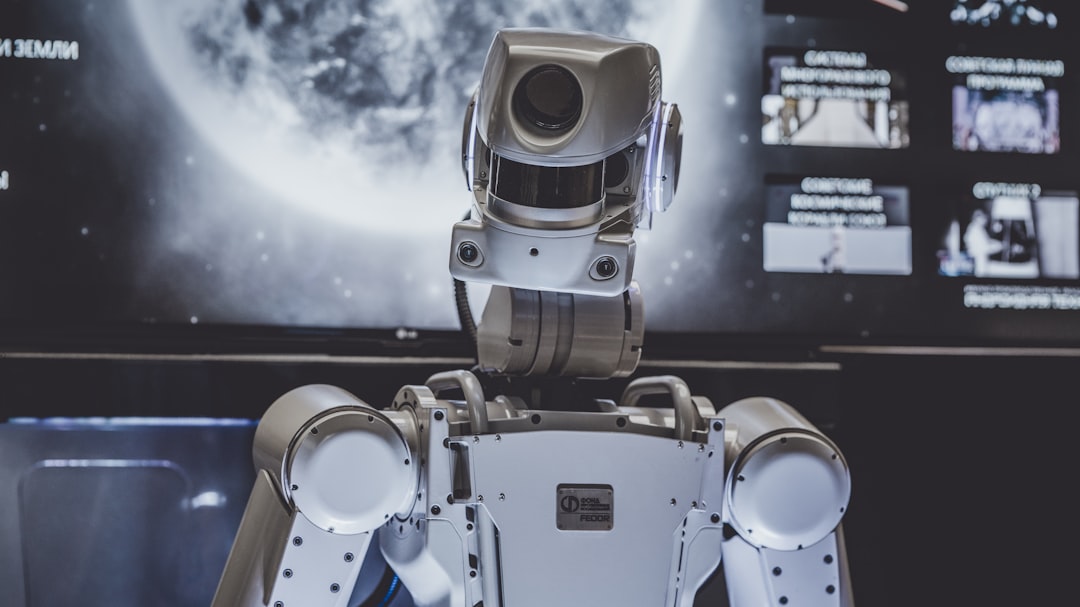
A team of surgeons remotely controlled humanoid robots to perform two gallbladder removal surgeries on living pigs, marking the first time humanoid robots have been used in surgery on living beings. The results, published in the journal Nature, demonstrate that a human operator can guide an anthropomorphic robot through minimally invasive procedures with precision comparable to specialized robotic systems, but at a fraction of the cost and size.
Teleoperated humanoid robots cut costs and save operating room space
The robots used are commercial humanoid models, modified with robotic arms and hands that replicate the remote surgeon's movements. Unlike dedicated surgical robots such as the Da Vinci system, these humanoids can be deployed in facilities that lack the resources for expensive fixed installations. Shanglei Liu, a surgeon and researcher at the University of California San Diego, noted that the robot takes up less space and costs less than half compared to traditional systems. This paves the way for widespread use in rural hospitals, military field hospitals, and even space missions.
Sponsored Protocol
Remote control ensures safety and precision
The surgeries were performed by surgeons experienced in robotic surgery, who commanded the robot's movements via a console with screens and joysticks. In each procedure, the humanoid robot made the incision, dissected, and removed the gallbladder without complications. The pigs survived the surgery and were monitored for weeks with no adverse effects. Although still a preclinical study, researchers believe the approach could be translated to human patients within a few years, pending regulatory approval.
This experiment fits into a broader landscape of integrating artificial intelligence and robotics in medicine. While systems like GPT-5.6 and ChatGPT Work are revolutionizing offices, humanoid robots could transform surgery by making it accessible everywhere. However, unlike autonomous AI agents, these humanoids do not make decisions; they are simply tools that translate the surgeon's movements.
Sponsored Protocol
Decision-making authority remains firmly with the human surgeon, a reassuring aspect for patients. The next step will be to test more complex procedures and, in parallel, develop haptic feedback sensors to give the surgeon a sense of touch. The research, funded by public and private sources, involved engineers and doctors from multiple institutions, demonstrating that interdisciplinary collaboration is key to progress.
For more details, see the original article in Nature or the Wikipedia entry on remote surgery.