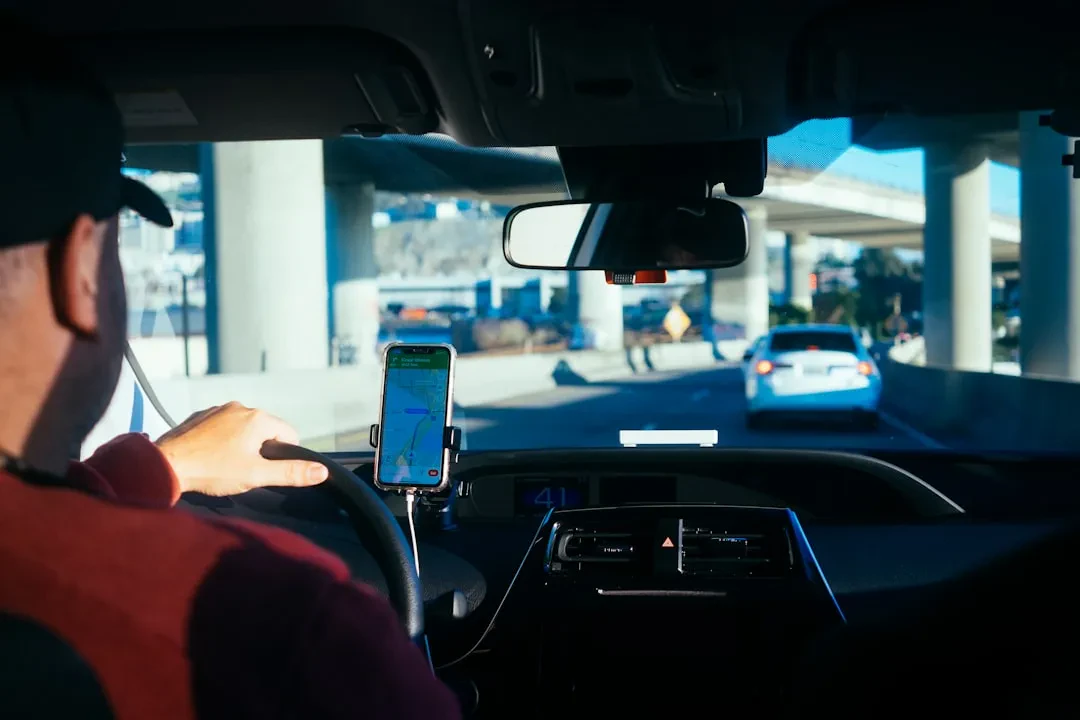
Transportation giant Uber is exploring a bold initiative that could redefine data collection for autonomous driving. The idea, revealed by Chief Technology Officer Praveen Neppalli Naga during a recent TechCrunch event, involves leveraging the vast network of millions of active drivers worldwide as a distributed sensor grid for companies developing self-driving technologies.
An Expanded Vision of Data Collection
This strategy is a natural extension of an early-stage project called AV Labs, announced by Uber in January. The goal is to create an unprecedented data ecosystem by utilizing sensors already present in Uber drivers' vehicles, such as cameras and LiDAR, to collect real-time environmental information. This data could include high-definition road mapping, obstacle detection, traffic conditions, and even unforeseen hazards like potholes or damaged signage.
Sponsored Protocol
This initiative opens up exciting prospects for the future of autonomous mobility. Startups and major corporations involved in autonomous driving often struggle to gather the quantity and variety of data needed to train and validate their AI systems. Access to a constant stream of data from millions of mobile collection points, covering a wide range of urban and road scenarios, would represent a significant competitive advantage. Consider, for instance, the immense amount of data a company like Waymo (an Alphabet subsidiary) could obtain, thus accelerating the development and deployment of its robotaxis.
Technical and Privacy Implications
From a technical standpoint, implementing such a system would involve significant challenges. Sophisticated software will need to be developed for managing and processing an immense volume of data, while ensuring user safety and privacy. Uber will need to clearly define what data will be collected, how it will be anonymized, and who will have access to it. Collaborations with third-party companies will require robust security protocols to prevent unauthorized access or misuse of information.
Sponsored Protocol
This model could also provide new earning opportunities for Uber drivers, who might be incentivized to participate in data collection through a rewards system or benefits. In a highly competitive sector, as also seen in the dynamics of generative AI and the strategies of companies like Replit in seeking strategic partnerships, a system that improves the efficiency of autonomous driving could have a notable impact.
Sponsored Protocol
The Future of Mobility and Data Collection
Uber's idea fits into the broader discussion about the evolution of automotive technology and artificial intelligence applied to mobility. While significant hurdles remain for the full adoption of autonomous vehicles, initiatives like this demonstrate the continuous pursuit of innovative solutions to accelerate progress. The ability to collect data on a large scale and efficiently is a key factor that could determine the winners and losers in this technological race, potentially also influencing the future of data centers and cloud infrastructure, as discussed in contexts related to AI expansion.