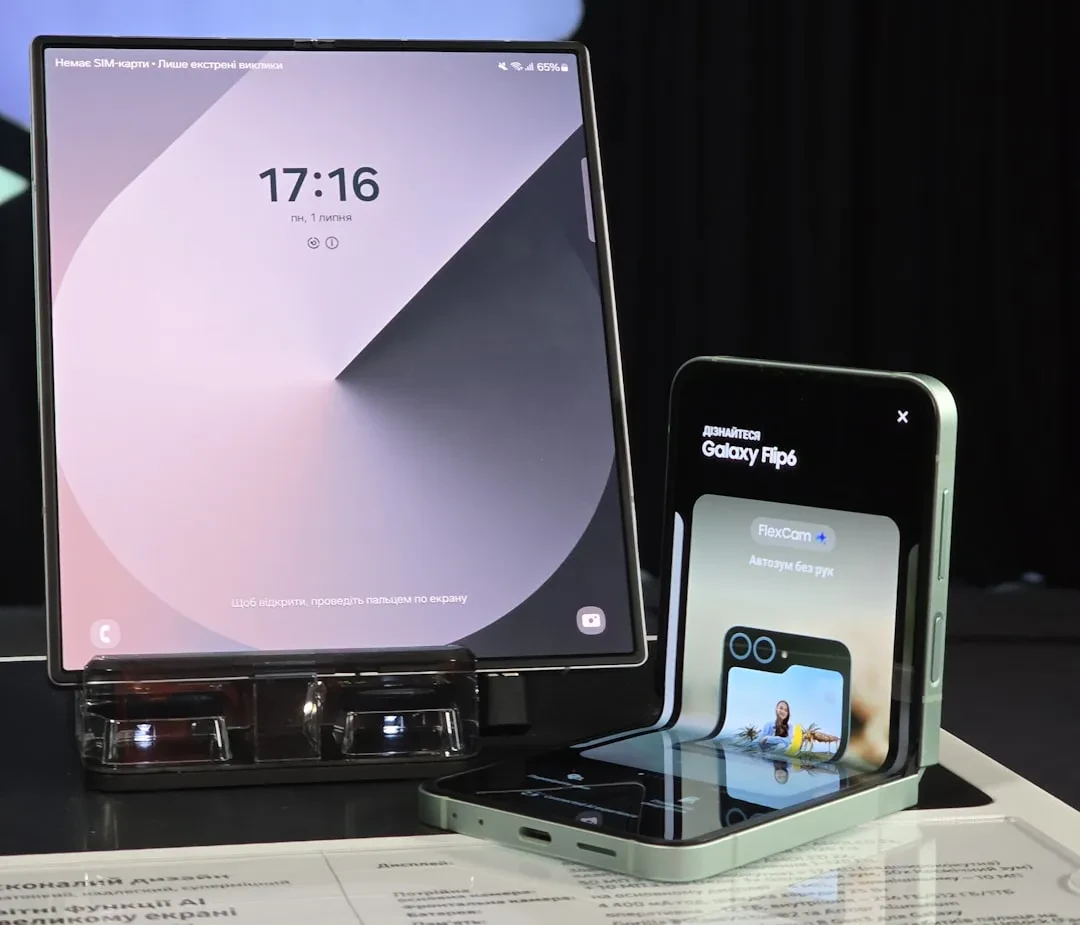
The tech world is abuzz with anticipation for the imminent launch of Apple's foldable iPhone, a device poised to redefine the smartphone landscape. Latest rumors, emerging from a new testing phase preceding mass production, suggest Apple is preparing to shake up the market significantly. While informally referred to as the 'iPhone Fold', its official moniker might be 'iPhone Ultra', a name Apple already uses for its top-tier products like the Apple Watch and certain CarPlay versions. This choice is unsurprising, given the anticipated price point which is expected to well exceed $2,000, positioning the device in the most exclusive market segment.
Innovative Design and Surprising Dimensions
The first leaked dummy model images, though unofficial, offer a fascinating glimpse into the potential design of the foldable iPhone. When closed, it will sport a display of approximately 5.5 inches, making it Apple's most compact iPhone currently available. Upon unfolding, the screen will expand to around 7.8 inches, providing a viewing experience akin to an iPad mini, but with a wider 4:3 aspect ratio. This differentiates it notably from competitors that often favor taller, more elongated formats. The chassis is rumored to be exceptionally thin, with speculations pointing to a mere 4.5mm thickness when open. However, this slim profile might necessitate compromises, such as the inability to integrate the TrueDepth camera system for Face ID, likely leading to Touch ID being the preferred unlocking method. The camera setup is expected to feature a dual-lens system, housed in a raised module that doesn't span the entire width of the device's back.
Sponsored Protocol
Launch Timelines and Production Challenges
Rumors regarding the launch window have been inconsistent recently. Some sources indicate potential delays until 2027 due to complex production issues, while others, like Bloomberg, dismiss these concerns, forecasting a release concurrently with or shortly after the iPhone 18 Pro models, slated for September. An introduction alongside the iPhone 18 Pro is feasible, but initial availability is expected to be limited. The device's engineering complexity and supply chain challenges raise concerns about prolonged stock shortages, potentially extending into 2027, as suggested by several analysts. Apple's pursuit of technological sovereignty, exemplified by France's recent move from Windows to Linux, highlights a growing trend towards independence and internal innovation, even if it entails more intricate manufacturing processes.
Sponsored Protocol
Premium Pricing and Market Comparison
The price of Apple's foldable iPhone is set to surpass the $2,000 mark, making it one of the most expensive mobile devices on the market. Whether this figure represents the starting price or applies to higher configurations remains unclear, but most credible estimates agree on a base price around $2,000, with some projections placing it even higher, exceeding $2,300. This pricing strategy positions the iPhone Ultra in direct competition with other high-end foldable devices, while also serving as a premium alternative to traditional flagships. Continuous innovation in the foldable device sector is evident, with brands like Samsung already holding a strong position in this niche. Apple's strategy, though entering the market later, aims to set a new benchmark for excellence. It's worth noting that other industry players also face significant hurdles; for instance, OpenAI has recently faced accusations regarding ChatGPT's behavior, underscoring that technological advancement invariably brings new responsibilities and complexities.
Sponsored Protocol
Source: https://www.macrumors.com/2026/04/10/iphone-fold-rumor-recap