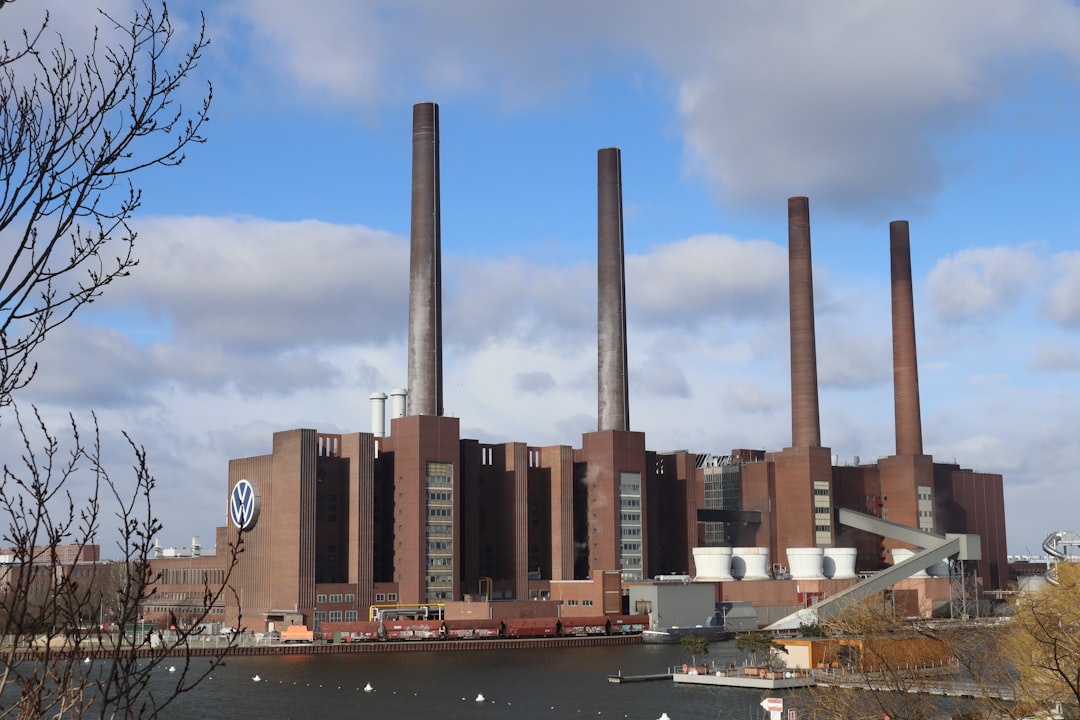
German automotive giant Volkswagen is planning to cut approximately 100,000 jobs, or 15 percent of its global workforce, focusing on German plants, according to Manager Magazin. The plan represents the company's largest restructuring in its 89-year history. It includes halting production at plants in Hanover, Zwickau, Emden, and Audi Neckarsulm. The Zwickau facility in Saxony, recently converted to produce six electric vehicle models for the VW, Audi, and Cupra brands, has already experienced multiple production pauses due to weak EV demand.
Worsening economic context and tariff pressures
The decision comes amid deep uncertainty for the European automotive industry. Volkswagen had previously agreed to cut 50,000 jobs in a late 2024 deal with unions, linked to Trump's tariffs and Chinese competition. That agreement included job guarantees through 2030 and a pledge not to close further plants. However, the new plan triples the scope of cuts, effectively breaking those commitments. A spokesperson told CNBC that the entire Group, including all brands and subsidiaries, must undergo profound changes, declining to comment on details described as "internal, confidential documents."
Sponsored Protocol
Union backlash: a fight against closures and layoffs
Unions and worker representatives have vowed fierce opposition. IG Metall and the General Works Council issued a joint statement saying, "If such plans were to be pushed forward, we would prevent them with all our might." The stakes are high: plant closures would affect thousands of families in regions already strained by the energy transition. The 2024 deal was seen as a necessary compromise, but this escalation highlights the fragility of union guarantees in a sharply contracting market.
A plan reshaping electric vehicle production
Zwickau had become a symbol of Volkswagen's electric shift: Europe's most advanced EV plant. However, repeated production stoppages and declining volumes reveal weaker-than-expected demand. The job cuts may accelerate relocation or repurposing of other sites. The inclusion of Audi Neckarsulm suggests downsizing in the premium segment as well. Volkswagen, once committed to leading sustainable mobility, now faces the need to contract capacity to adapt to global uncertainties: US tariffs, a Chinese slowdown, and tightening environmental regulations.
Sponsored Protocol
Impact on the German automotive industry and SMEs
The news, following weeks of speculation, unsettles the German economic landscape. The potential closure of four plants would hit the industrial fabric already weakened by the energy crisis and inflation. In parallel, the European tech sector faces similar challenges: as reported in a previous article, Apple Stock Drops 6% After Massive Price Hikes on Mac, iPad, and Vision Pro, indicating demand contraction affecting even tech giants. For the many small and medium suppliers in Volkswagen's supply chain, reduced orders could be devastating.
Sponsored Protocol
The group's strategy fits a broader context of restricted innovation in Europe, where even the AI sector faces limitations hurting competitiveness. Industry sources suggest Volkswagen is evaluating technology partnerships to cut development costs, but the scale of job cuts points to a deep restructuring, not a temporary adjustment.
Future prospects for the Volkswagen Group
With 100,000 jobs at risk, Volkswagen's future is on the line. The plan, subject to union negotiations, could reshape the brand's European footprint. The potential closure of Zwickau, the EV production hub, raises questions about the group's electric strategy. Markets await an official presentation in the coming weeks. For further reading on the energy backdrop affecting European industrial production, see our article on heatwaves and power outages (internal placeholder, adjust if needed).
Source: https://www.engadget.com/2202288/volkswagen-reportedly-plans-to-cut-100000-jobs