The global automotive landscape is experiencing a double acceleration that intertwines connectivity, electrification, and geopolitical tensions. On one side, the Trump administration has granted Volvo, controlled by China's Geely Holdings, permission to continue selling connected cars in the United States. On the other, Ferrari's first electric SUV, the Luce designed by Jony Ive, is welcomed as a work of art but also as a strategic move to comply with regulations and conquer the Chinese market. Two stories that, at first glance distant, actually tell the same ongoing revolution.
A Regulatory Victory for Volvo
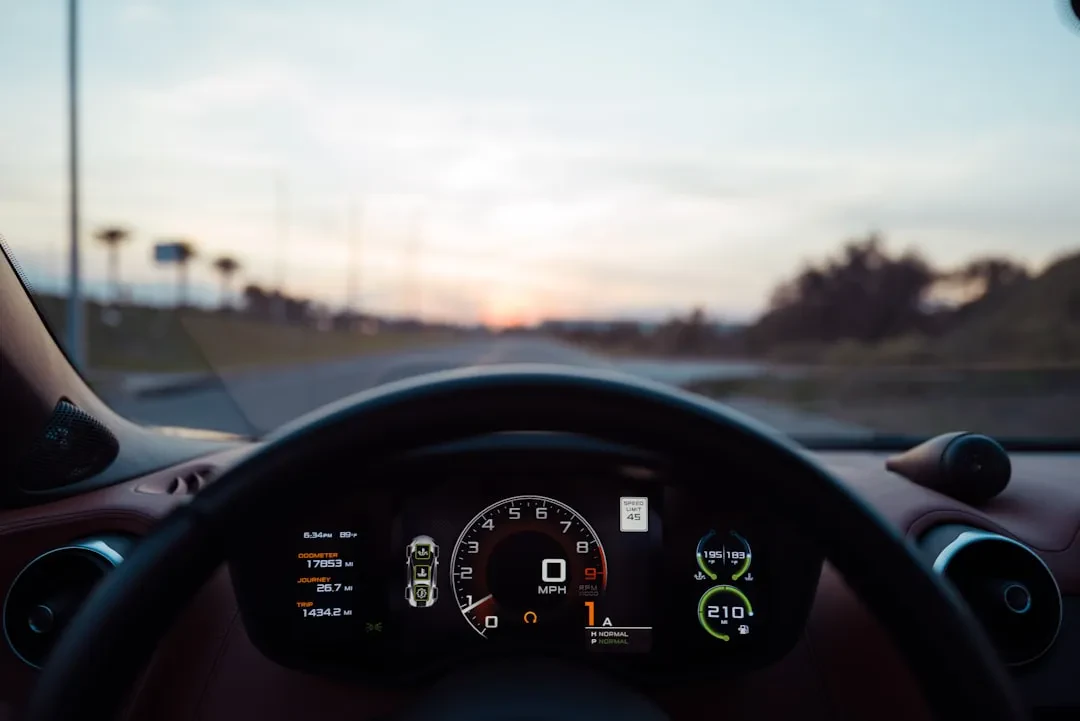
The White House decision not to block Volvo's sales represents a turning point in the debate over vehicle data security. Volvo, majority Chinese-owned, had been under the lens of the Committee on Foreign Investment in the United States (CFIUS) over fears that data collected by connected cars could end up in Beijing. The choice to allow Volvo to continue operations opens the door to a pragmatic compromise between national security needs and free market principles. For the Swedish manufacturer, this is a lifeline that enables the expansion of its American plant and the launch of new models with advanced connected services. The stakes are extremely high: connected cars are true mobile data platforms, capable of gathering information on driving habits, locations, and even urban traffic loads. The Volvo precedent could become a model for other brands with Chinese ties, provided that data localization guarantees are implemented.
Sponsored Protocol
Ferrari Luce and the Electric Luxury Bet
If Volvo plays the mass connectivity card, Ferrari bets everything on exclusivity with its first electric vehicle, the Ferrari Luce. Priced at 640,000 dollars and bearing the unmistakable touch of Jony Ive, the Luce is not intended for the general public. As analysts point out, the main goal is twofold: to meet increasingly stringent emissions regulations in key markets and to strengthen its presence in China, where electric luxury is a status symbol. The minimalist, aerodynamic exterior betrays Ive's legacy, while the cabin is a concentration of tactile technologies and sustainable materials. However, the Luce raises questions about the balance between aesthetics and performance. Will it live up to the legendary Ferrari engine sound? The future of the luxury electric car hinges precisely on this balance, as demonstrated by the recent analysis of the GoPro Mission 1 Pro and Fitbit Air, where two product philosophies clash over quality and innovation.
Sponsored Protocol
Connectivity and Security: The New Frontier
The coexistence of connected cars and geopolitics cannot ignore cybersecurity. Recent vulnerabilities discovered in software platforms, such as those documented in the article Two Digital Security Threats, show how fragile the data ecosystem is. An attack on an infotainment system or a Volvo ECU could paralyze entire fleets. Automakers must therefore integrate security by design, precisely as software becomes the main differentiator. Satellite connectivity is also entering the fray: Starlink is bringing broadband aboard airplanes, creating a technological bridge with the cars of the future. The convergence between road and air transport is increasingly tight, with the same challenges of latency and coverage.
Sponsored Protocol
The Future Between Regulation and Design
The game is not only played between the United States and China. Europe, with the new EU Cyber Resilience Act, imposes ever stricter standards for all connected devices, including cars. Volvo and Ferrari represent two sides of the same coin: the first adapts to a regulated and competitive market; the second leverages design to create value in a segment where regulation is seen as an opportunity for innovation. The lesson for the tech sector is clear: the ability to navigate geopolitical labyrinths will be as crucial as engine power or display quality. And as cars become computers on wheels, the boundary between the automotive industry and the tech industry dissolves definitively. For a deeper look into the technical side of data monitoring and health, one can read the analysis on connected cars on Wikipedia which describes the evolution of onboard architectures.
Sponsored Protocol