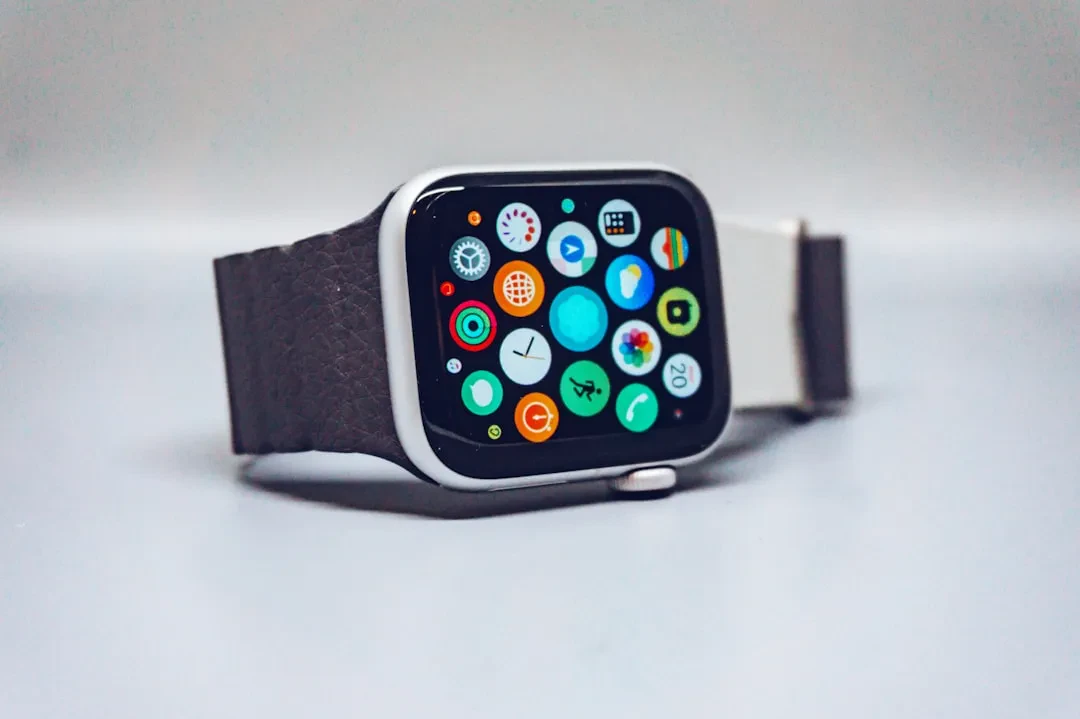
As the Worldwide Developers Conference approaches in June, rumors about watchOS 27 begin to paint a picture of an update focused on stability, precision, and deeper integration with the Apple ecosystem. According to Bloomberg's Mark Gurman, the next iteration of the Apple Watch operating system will not bring cosmetic revolutions but will significantly refine existing experiences, starting with heart rate monitoring. Improved heart rate tracking is among the most persistent rumors, though Gurman did not provide specific technical details. It is likely that Apple will introduce more sophisticated algorithms to detect arrhythmias or improve accuracy during high-intensity workouts, leveraging the updated sensors of the Apple Watch 11 series expected in September.
Another key element concerns watch faces. watchOS 27 is expected to add a variant of the Modular Ultra watch face, currently exclusive to the Apple Watch Ultra. This suggests that Apple intends to bring some of the premium features of the most rugged model to other users, offering more data at a glance. This move fits into a strategy of democratizing advanced functions, already seen with watchOS 26.
Sponsored Protocol
The true heart of the update, however, is Artificial Intelligence. Apple has promised significant AI advancements during WWDC 2026, and watchOS 27 will be no exception. Currently, watchOS 26 offers features like Workout Buddy, live translation in Messages, and notification summaries, all powered by the iPhone 15 Pro or newer. With the new operating system, an expansion of Apple Intelligence is expected, likely with new contextual tools and better notification management. This will take the wearable experience to a higher level, making the watch a true daily co-pilot.
The most groundbreaking changes, however, come from satellite connectivity. The Apple Watch Ultra 3 already integrates native satellite connectivity for Emergency SOS, Find My, and iMessage. With watchOS 27, two new iOS 27 features could extend to the watch: Apple Maps via satellite and support for photos in Messages via satellite. This means that even without cellular or Wi-Fi coverage, users will be able to send images and receive detailed driving directions, a crucial capability for hikers, travelers, and first responders. Amazon's acquisition of Globalstar, followed by an agreement with Apple to provide satellite connectivity, further solidifies this infrastructure.
Sponsored Protocol
Privacy implications remain significant. While features like satellite maps increase utility, they raise questions about constant geolocation. In a landscape where wearables like Amazon's bee raise similar concerns, Apple will need to reaffirm its commitment to data protection. As discussed in the article about Amazon Bee Wearable and privacy, the line between convenience and surveillance is increasingly thin. watchOS 27 will need to balance innovation and transparency.
Sponsored Protocol
Finally, Gurman notes that Apple is focusing on stability, performance, and small refinements rather than major new features. This suggests a mature development cycle where system reliability is paramount. In a context where the reality check on autonomous driving has shown how hard it is to keep promises, Apple chooses caution, consolidating what works before launching new adventures.
The developer beta of watchOS 27 will be available immediately after the June 8 keynote, followed by the public beta in July. The final release is expected in September alongside new Apple Watch models. For more on the history of watchOS, see the Wikipedia entry.