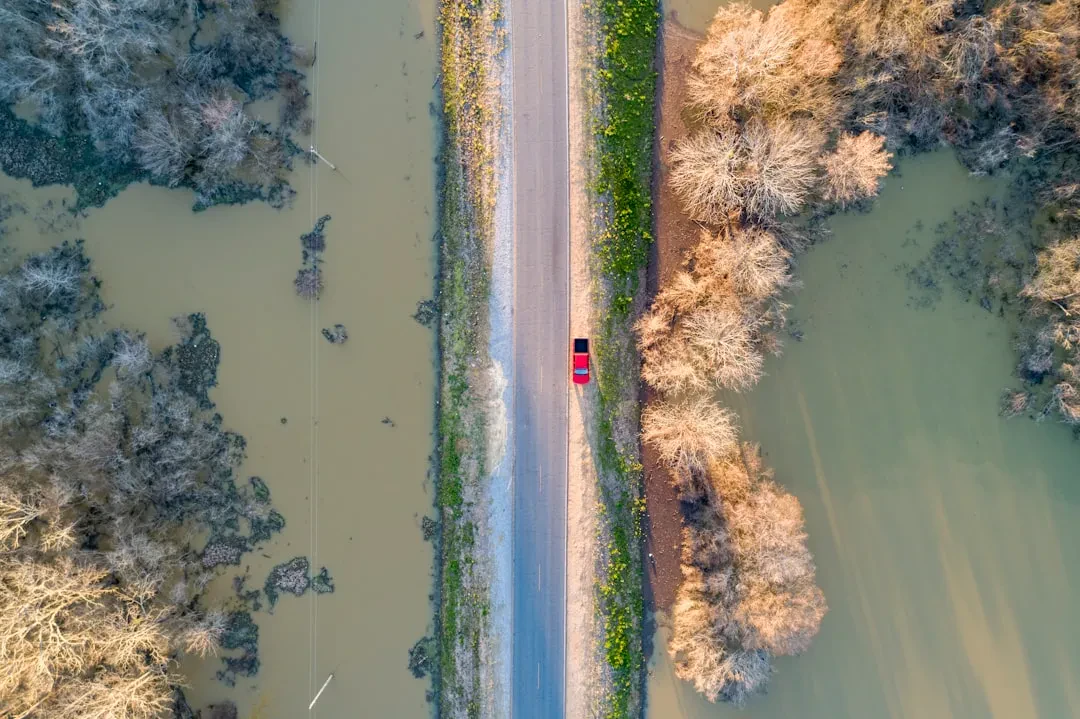
Autonomous driving has encountered an unexpected enemy: standing water. Waymo, Alphabet's robotaxi company, has issued a software recall for nearly 4,000 vehicles after one of its cars drove directly into a flooded road. The incident, which occurred in recent weeks, prompted an immediate intervention to correct the fleet's behavior under adverse weather conditions.
Waymo Recall Details
The recall is digital, not physical. Waymo deployed an over-the-air update that modifies the perception and path-planning system. The fix makes the robotaxis more cautious when approaching areas with high water, integrating real-time data from Lidar sensors and cameras. According to official documents, the vehicle now more reliably recognizes deep puddles and either chooses alternative routes or stops to await remote assistance. The National Highway Traffic Safety Administration classified the action as a formal safety recall, even though the solution was applied without the need for workshop visits.
Sponsored Protocol
Implications for Autonomous AI Safety
This event highlights a critical challenge for artificial intelligence applied to transportation: handling atypical and dangerous scenarios such as urban flooding. Flooded roads are a complex problem because water can reflect laser signals, deceive cameras, and hide obstacles. Waymo is developing a final remedy, as stated in its report to the regulator. The incident fits within Alphabet's broader push into AI, exemplified by recent launches like the Googlebook, the first AI-native laptop built for Gemini, and the revolution in customization with vibe-coded AI widgets on Android. These innovations show how Google's ecosystem is pushing AI into every domain, from mobility to consumer software.
Sponsored Protocol
The Future of Self-Driving in Extreme Conditions
The ability to handle adverse weather has always been the Achilles' heel of autonomous vehicles. Rain, snow, and fog degrade sensor performance. With this recall, Waymo demonstrates a reactive but transparent approach, updating software in real time. However, the incident raises questions about the generalization of machine learning: how can we ensure all edge cases are covered before large-scale deployment? The answer lies in a continuous loop of simulation, road testing, and remote patches. For a deeper dive, check the Waymo Wikipedia page for a company overview.
Sponsored Protocol
In conclusion, the Waymo recall is not a failure but a sign of industry maturity. The autonomous driving business learns from its mistakes and adopts rapid correction mechanisms. The road to a driverless future is paved with software updates, and what matters is the ability to respond to the unexpected with intelligence and speed.