Buying a ring today no longer begins in front of the illuminated window of a jewelry store, but much earlier: on Google, on Instagram, inside a chat. The digital world has shifted the first impression of jewelry from the in-person gaze to the screen, and this changes how people choose, compare, and fall in love with a precious piece.
From the historic center to the homepage: where the purchase truly begins
For years, the typical journey was always the same: a walk downtown, window shopping, some advice from a trusted jeweler, an on-the-spot decision. Today the journey is longer and more fragmented. Before entering a store, people seek inspiration on Pinterest, watch reels, read reviews, compare prices across different websites.
In this scenario, a jewelry store's homepage, its product pages, and even its presence on Google Search become the new front door. Those who arrive online expect to immediately understand the style, price range, and reliability of the store, long before seeing the jewelry in person.
Sponsored Protocol
Photos and videos instead of touch: translating brilliance into pixels
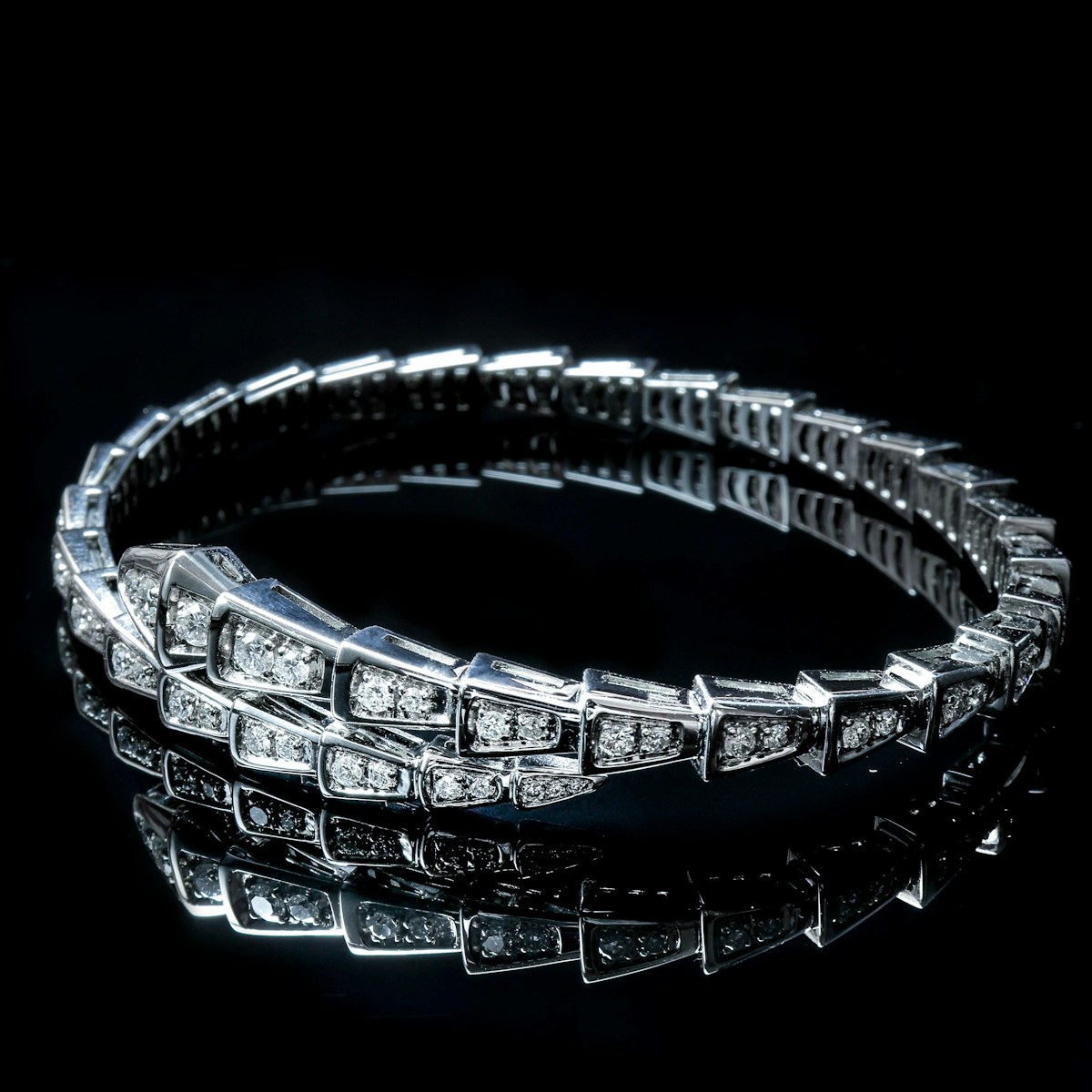
A piece of jewelry is chosen by instinct, light, and proportions. In the digital realm, these elements must come through photos, videos, and micro-details. Blurry or inconsistent images communicate uncertainty, while a curated visual style immediately tells if it's a minimal, classic, or more audacious brand.
User experience experts like the Nielsen Norman Group have emphasized for years how crucial product page quality is: more angles, close-ups on finishes, clear information on materials, sizes, certifications. It's the digital equivalent of holding the jewelry in your hand.
The neighborhood jewelry store in the e-commerce era
The shift to online doesn't mean renouncing the physical store, but extending its reach. A local jewelry store can use e-commerce to first speak to its natural customers—those who may already know it but want to get information from home—and only then decide to try a ring or bracelet in person.
Sponsored Protocol
A well-structured website allows telling the story of brands, collections, and custom services with the same reassuring tone one would have at the counter. This is what businesses like Gioielleria Patricia Oro do, complementing the in-store experience with a digital presence designed for those seeking gift ideas, everyday wear jewelry, or important pieces for special occasions.
Social media, reviews, and private messages: the new word-of-mouth
If recommendations among friends used to be enough, today word-of-mouth also happens through social media and reviews. People want to see how a piece of jewelry looks on the wrist or finger of someone like them, not just on a catalog model. Stories, reels, and user-generated content become part of the decision-making process.
WhatsApp or Instagram chat often becomes the first contact with the store: asking for information on sizes, sending photos, seeking quick advice on what to choose. Here too, experience counts: thoughtful replies, a professional yet human tone, reasonable response times are elements that weigh as much as the sparkle of a diamond.
Sponsored Protocol
Between online and offline: one consistent experience
When the customer finally enters the store, they no longer arrive empty-handed: they have already saved products, compared prices, perhaps read a blog article or a sizing guide. They expect what they saw online to be confirmed in person, without any disconnect in style or information.
For those managing a jewelry store, this means coordinating the website, social media, in-store communication, and after-sales service into one coherent narrative. The digital world does not replace the moment a ring is slipped onto a finger, but prepares and strengthens it. Those who succeed in making these two worlds converse don't just sell a piece of jewelry: they build a lasting relationship of trust.