Your site is live, the products are top-notch, but nobody finds you on Google. Or worse: you rank for broad terms that bring traffic but zero sales. This is the most common issue we see at Meteora Web when working with small and medium-sized enterprises in Italy. 10,000 visits mean nothing if they come from people searching "shoes" while you sell waterproof hiking boots.
We always start with one question: what is your customer actually typing into the search bar? Not what you think they search, but the real query. The difference is massive, and it all comes down to keyword research with search intent and long tail.
Why Generic Keywords Are a Trap
Take a real example: a client in Messina selling Sicilian olive oil. Targeting the keyword "olive oil" means competing with Amazon, large brands, and supermarkets. That client wastes SEO budget and maybe Google Ads just to land on page five. The result? No sales, lots of frustration.
Someone searching "olive oil" is in the informational or navigational phase: they want to learn, compare, not buy immediately. Your store needs to catch those who already have purchase intent. That's where long tail shines: "organic extra virgin olive oil Sicily 0.5 liter price". That person has already decided what they want. If your page delivers exactly that, conversion rates skyrocket.
The Four Intent Types
Google classifies queries into four broad intents: informational, navigational, commercial, transactional. A business aiming to sell must focus on the last two, but most Italian SMEs target the first ones – because they don't know the difference and because free tools show volumes without intent.
We see this daily: a restaurant in Agrigento optimizes for "Agrigento restaurant" (navigational – people looking for that specific name) but ignores "fresh fish dinner Agrigento price" (transactional). The first brings those who already know you; the second brings new customers ready to book.
How to check intent manually: open an incognito window and type your keyword. Look at autocomplete suggestions, featured snippets, and "People also ask". If you see "how", "what", "where", it's informational. If you see "review", "best", "price", it's commercial or transactional.
Long Tail: The Gold Mine
The long tail concept comes from statistics: a few keywords have huge volume (head), but many keywords with low volume collectively make up most of the search demand (tail). For a new site or one with limited authority, attacking the head is suicidal. The long tail is the only sustainable path.
Example from our work: we managed an apparel e-commerce. Targeting "men's sweater" meant competing with Zalando and H&M. Instead we created product pages for "men's navy blue merino wool sweater size M". Each single keyword had 10-20 searches per month, but we had hundreds of them. Result: targeted traffic, 5% conversion rate, zero ad spend.
How to Find Long Tail Keywords for Italian
International tools like Ahrefs or Semrush work, but Italian data is often scarce or outdated. Here's our proven workflow:
- Google Keyword Planner – free with an Ads account, shows volumes by region. Set location to "Italy" and filter for keywords with low competition. Long tails don't always appear, but you can start from a generic term and add modifiers: "organic", "handmade", "free shipping", "near me".
- AnswerThePublic – great for discovering real questions (informational) from which you can extract long tails. Example: "is olive oil bad for you" → create an informative article that then links to the product page.
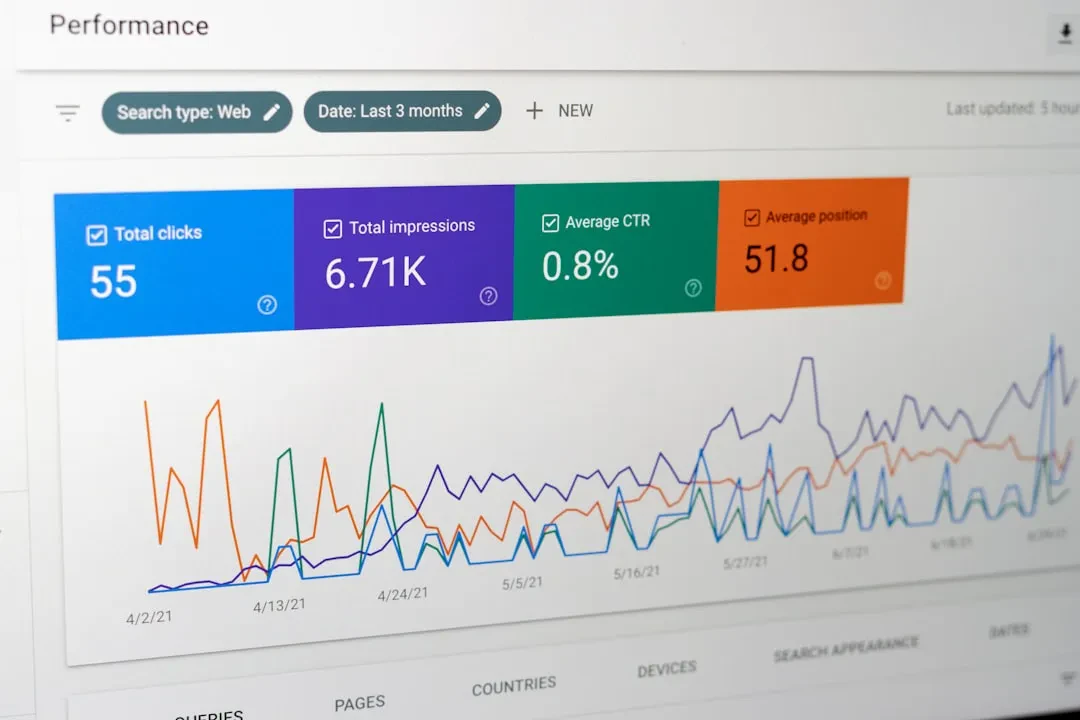
- Google Search Console – the best if you already have a site. Go to Search results, filter for low impressions and average position >10. These are queries you already capture but haven't optimized – often perfect long tails.
- Google Trends – compare terms and spot regional variations. For a client in Palermo we found that "pasta with sardines" has seasonal spikes, while "pasta with sardines recipe" is constant. The second is a long tail we can use in an article.
Warning: many free tools show approximate volumes. We always cross-validate at least two sources and manually check Google results – if the top results are weak (no SEO done), that keyword is an opportunity.
Our Workflow for Italian Keyword Research
After dozens of client projects, we've standardized a process that blends data and common sense. Here are the steps:
1. Define Intent for Every Keyword
Create three columns: keyword, intent (info/nav/com/trans), and action. For each keyword, decide which content to produce: a guide, a product page, a comparison table. If the keyword is "how to clean sneakers" (info), don't expect sales from that page – but you can link internally to the shop section, as we do in our projects.
2. Collect Long Tails in a Spreadsheet
Use Google Sheets. Export CSV from Keyword Planner and paste queries. Add columns for monthly volume and competition. Filter: volume >30, low competition. Then enrich with keywords from AnswerThePublic. A sheet with 200-300 long tail keywords is enough to start.
3. Verify Actual Relevance
A keyword with volume 50 that doesn't match what you sell is useless. For a client selling designer furniture, "IKEA extendable table" is wrong even if volume is high. We always verify search intent by searching the word in incognito: if the results are all direct competitors, it's correct.
4. Prioritize Action-Oriented Keywords
Not all long tails are equal. We prefer those containing action verbs: "buy", "purchase", "offer", "price", "delivery". These are transactional. Place them in meta titles, H1s, and calls to action. This is advice we give often but many ignore.
Tools We Actually Use for Italian Keyword Research
Beyond the ones mentioned, we integrate:
- Ubersuggest – limited free version, good for initial brainstorming. Caution: volumes for Italy are often overestimated. We use it only for ideas.
- SEOZoom – built in Italy, designed for the Italian language. It gives semantic clusters and fairly accurate volumes. It costs money, but for a professional it pays off.
- Google Autocomplete – manual but incredibly powerful. Type your keyword and one letter at a time; note down suggestions. Do this in incognito to avoid personalization.
A common mistake: trusting volume blindly. A keyword showing 100 searches/month might be seasonal or skewed. We track it for at least a month before deciding. And if the client is in Sicily, we look at regional data: often a keyword has low national volume but high local volume – and for a physical business, that's what matters.
Complete Example: Keyword Research for a Sicilian Dairy
Imagine a small ricotta producer in Ragusa. Starting point: "ricotta". Generic keyword, high volume, impossible competition. Apply our workflow:
- Keyword Planner: suggests "fresh ricotta", "sheep ricotta", "Sicilian ricotta".
- AnswerThePublic: "how is ricotta made", "how long does fresh ricotta last".
- Google Trends in Sicily: "sheep ricotta" peaks in spring.
- Autocomplete: "organic sheep ricotta", "sheep ricotta price per kg".
We select long tails with commercial intent: "organic sheep ricotta price" (vol. 30, low competition) and "buy Sicilian ricotta online" (vol. 20). We create a specific product page containing these keywords in content and meta. Result: in three months the page ranks first and brings direct orders. Zero ad spend.
In a Nutshell — What to Do Now
If you run a website for your business in Italy, don't waste time on generic keywords. Do this today:
- Open Google Trends and compare your main term with three long tail variants. Pick the one with a stable trend.
- Go to Google Search Console, export queries with at least 10 impressions and position >15. Those are your first long tails to optimize.
- Create a spreadsheet grouping keywords by intent. For each group, write a page title that answers exactly that query.
- Don't buy expensive tools at the start. Use Keyword Planner and AnswerThePublic for free. Only when you have enough data consider SEOZoom.
- Remember: a keyword that doesn't convert is just noise. We always verify with Google Analytics 4 data: if a page has traffic but zero goals, we change strategy.
To dive deeper into how site structure affects Google's ability to find your pages, read our guide on Crawl Budget – because the best keyword research is useless if Google can't discover your pages.
Sponsored Protocol