Within a few years,
Instagram went from an app for iPhone geeks to a
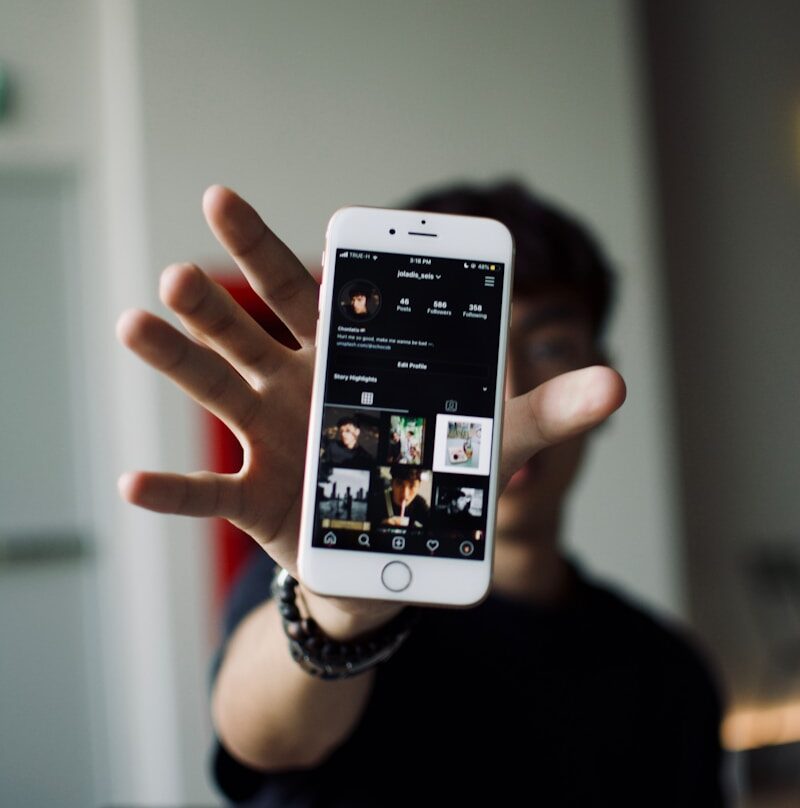
visual icon of digital culture. For millions of people, the world is now told through photos, Stories, and Reels. Retracing how it was born, how it works, and what it changed helps to understand not just a social network, but an entire way of being online.
From the origins of Burbn to the birth of Instagram
The story of Instagram doesn't begin with a photo feed, but with an app called
Burbn, a sort of mix between Foursquare-style check-ins, gamification, and image sharing. Too complicated, too full of features. The founders
Kevin Systrom and
Mike Krieger decide to cut everything and keep only what people seem to actually use: taking and sharing photos from the phone.
Thus, Instagram was born in 2010, initially only on iOS. The timeline reported by sources like
Wikipedia recalls how the app exploded in a very short time, driven by the iPhone ecosystem and a radically mobile-first approach at a time when many social networks were still tied to the desktop.
Square photos, filters, and extreme simplicity
The first Instagram was based on three simple ideas:
square format,
filters, and immediate sharing. The 1:1 format, inspired by Polaroids, made photos recognizable and easy to lay out in a fluid feed. The preset filters allowed even those without photography skills to give a consistent look to images, playing with color, contrast, vignetting.
The experience was stripped to the bone. Shoot, filter, caption, publish. No complex albums, no redundant settings. At a time when Facebook was betting on a thousand different features, Instagram won precisely on
operational minimalism centered on the image.
How the feed works between followers and algorithm
At the core of Instagram is the classic
follower mechanism: you follow someone to see their content. Initially, the feed is in reverse chronological order. However, with the growth of the user base and content, the order becomes increasingly mediated by an
algorithm that tries to show first the posts considered most relevant.
Although the details change over time, the underlying logic revolves around interactions: likes, comments, saves, time spent viewing content. The
Explore section and, later, suggestions in the feed, expand the experience beyond the direct circle of followers, turning the app into a visual discovery engine.
Stories, Reels, and the app's continuous transformation
Instagram didn't stay still with the square photo. The introduction of
Stories in 2016, clearly inspired by the Snapchat model, shifts the focus to ephemeral content that disappears after 24 hours. For many users, the most lively part of the experience becomes precisely this top strip made of quick, less curated, more daily updates.
Then came
Reels, a response to TikTok's growth, with short vertical videos, music, effects, and a highly algorithmic dedicated feed. Over time, Instagram also integrates IGTV, shopping, tools for creators. The official documentation on
About Instagram tells precisely this expansion from a simple photo app to a complex platform for creators, brands, and communities.
A visual language for digital culture
More than many official campaigns, it's the way people have used Instagram that has transformed it into a
global visual language. Hashtags, challenges, recurring aesthetics have created recognizable genres: minimalist feeds, glossy food photography, perfect flat lays, postcard landscapes, visual memes.
The figure of the
influencer was born and consolidated right here, even before other platforms. Curated profile, storytelling through images, collaborations with brands. The profile grid becomes a coherent showcase, conceived as a personal magazine rather than a messy diary. This has profoundly influenced how people and companies think about their online image.
Instagram, Facebook, and the business model
In 2012, Facebook acquires Instagram for a sum that seemed enormous at the time, but which now appears almost modest compared to the product's real impact. From that moment, the app remains separate in terms of user experience, but integrates more and more into the
Meta group regarding infrastructure, advertising, and tools for brands.
The business model is based on
advertisements integrated into the feed, Stories, and Reels, with formats designed to be visually coherent with organic content. Meta's business pages explain how companies can use segmentation, campaign objectives, and visual creativity to reach people at different moments as they scroll through their feed.
The dark side between filters, numbers, and social pressure
Like all dominant platforms, Instagram is also at the center of criticism. The emphasis on the perfect image, on like and follower counts, on constant comparison with only seemingly ideal lives has fueled discussions about
psychological repercussions, especially among younger users.
Researchers, associations, and regulatory authorities have highlighted possible correlations between intensive use of the social network and problems with self-esteem, anxiety, and distorted body image perception. In response, the platform has experimented with features such as the ability to hide like counts, tools to better manage comments and interactions, and warning messages on certain types of content. However, the debate on platform responsibility remains open.
Why Instagram became a visual icon
Instagram became a visual icon due to a combination of factors. It arrived at the right time, on the wave of the explosion of smartphones with cameras. It simplifies the act of taking and sharing to the maximum. It offers enough tools to build a personal aesthetic, without requiring photographer skills. And above all, it puts the image at the center, relegating text and links to a supporting role.
In the grand narrative of
Digital Culture & History of Computing, Instagram is the chapter where the web stops being primarily textual and becomes an endless sequence of frames. Whether discussing art, politics, fashion, or daily life, the visual grammar that has passed through its feeds has left a mark that is hard to ignore. Even if one day it is surpassed by other platforms, the idea that the world can be scrolled like a gallery of images will remain one of its most lasting legacies.