> cd .. / HUB_EDITORIALE
Brand Identity e Design
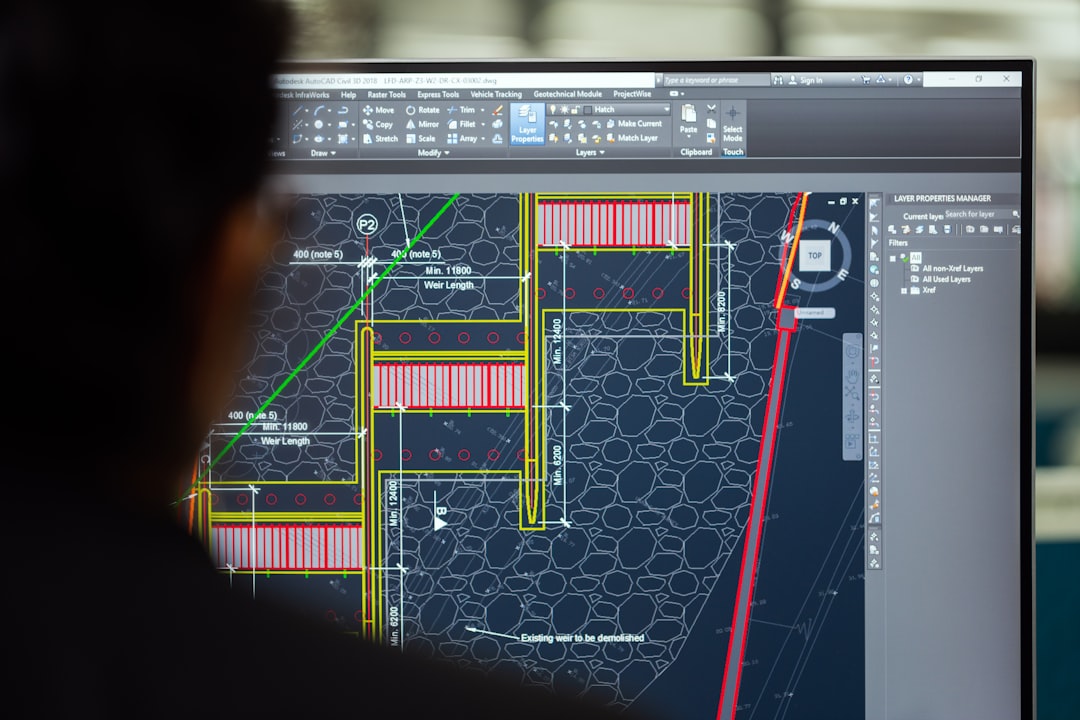
UX and UI: The Two Sides of the Same Interface
[2026-03-30]
Author: Ing. Calogero Bono
Those who work in the web know it: UX and UI are two acronyms often pronounced together, but they mean very different things. One speaks of experience, the other of interface. The first is invisible but fundamental, the second is its visible form. Together they constitute the backbone of any digital product: a website, an app, a dashboard, or an e-commerce platform. In 2025, it's no longer enough to create something beautiful: you must create something that truly works for people.
User Experience (UX) is everything a user feels, thinks, and perceives when interacting with a digital product. It is the sum of emotions, expectations, and frustrations. Good UX is not the result of polished graphics, but of a system that understands human behavior and anticipates it. It is behavioral design, analysis, psychology, and cognitive flow. As Nielsen Norman Group writes, "UX is about how people experience a system, not how it looks."
User Interface (UI), on the other hand, is the visible part: buttons, colors, typography, spaces, icons. It is what the user touches, sees, and recognizes. But be careful: good UI is never just aesthetic. It is a visual language that translates the logic of UX into tangible elements. Every pixel, every contrast, every transition tells a hierarchy of information. A perfect but useless design is like a bright sign leading to a dead end. UI must be the bridge between the designer's mind and the user's gesture.
In the modern web, the two disciplines are continuously intertwined. A classic example is the "Buy now" button. The UI decides its shape and color, but the UX determines where to place it, when to show it, and how it reacts after the click. If UI is the body, UX is the nervous system. Separating them is impossible. Yet, even today, many projects are created with a strong aesthetic component and very little attention to people's actual behavior. The result? Beautiful but useless sites.
Large companies have learned to invest in UX research. Before writing a single line of code, they test prototypes, analyze heatmaps, and conduct user testing sessions. Tools like Figma, Hotjar, and Optimizely allow for collecting data on how people actually interact with an interface. This way, every visual decision stems from a behavior, not an opinion. It's the difference between authorial design and intelligent design.
In 2025, UX no longer concerns just navigation, but the entire emotional experience. Users expect fluidity, speed, and above all, recognition. An interface that "understands" the context of use is a huge competitive advantage. Think of e-commerce: if the system recognizes a regular customer and suggests products aligned with their interests, the probability of conversion grows exponentially. It's adaptive UX, a combination of artificial intelligence and machine learning applied to design.
At the same time, UI is evolving towards micro-interaction. Small details like a smooth animation, a tactile feedback, or a harmonious transition build the perception of quality. The sum of these sensations is what transforms a good interface into a memorable experience. Micro-interactions serve to make the digital human. It's no longer enough to click: you must feel. It's the new sensory design, where graphics become an extension of perception.
But the most common mistake remains thinking that UX and UI are the responsibility of isolated designers. In reality, they are cross-functional processes involving developers, copywriters, marketers, and even customer service. Clear text in a form, a page that loads in less than a second, a button that communicates trust: all of this is UX. Visual consistency, on the other hand, is UI. And when both work together, the result is an experience that "works" even before it is understood.
In the future of digital design, invisible interfaces will win. Those that don't make you think, don't hinder, don't confuse. Interfaces that anticipate the need and respond before the question. It's the direction in which voice operating systems, chatbots, and adaptive layouts are moving. Everything converges towards a single principle: technology must disappear behind the experience. When that happens, UX and UI cease to be two different words and become the same thing: perfect communication between human and machine.
Ingegnere informatico, fondatore di Meteora Web e Zenith OS. System administrator e progettista di piattaforme, app e CMS proprietari, con esperienza in sviluppo full-stack, marketing digitale ed ecosistema Google.
[ Read Full Dossier ]
> METEORA_WEB // DIGITAL AGENCY
We build the digital presence your business deserves.
Websites, social media, online advertising, e-commerce and high-performance hosting, engineered with method by computer engineers in Sciacca, for all of Italy.