Long before the World Wide Web revolutionized how we interact with information, a complex ecosystem of networks laid the groundwork for today's Internet. This often-overlooked period is a fundamental chapter in the history of computing, an era of pioneering and innovation that saw the birth of protocols and architectures we still use today, albeit in evolved forms. The idea of connecting computers was not new, but its large-scale realization before the advent of the WWW is a fascinating story of engineering and vision.
The Precursor Networks and the Birth of Protocols
In the 1970s and 80s, various networks began to take shape, each with specific purposes. Academic and research networks, like those developed in university and military settings, were among the first to experiment with packet switching, a key concept for efficient data transmission. Protocols like TCP (Transmission Control Protocol) and IP (Internet Protocol), which still form the backbone of the Internet today, began to be defined and implemented during this period. These protocols not only enabled communication between heterogeneous systems but also established the fundamental rules for data addressing and transmission reliability. Thinking about how these standards were conceived and refined without today's tools is a true tribute to human ingenuity. Their evolution is a journey that required years of experimentation and collaboration, laying the foundation for future global interconnection.
Sponsored Protocol
A crucial aspect of this phase was the development of email and file transfer systems. Before web browsers, communication occurred mainly via email and FTP (File Transfer Protocol). Services like Usenet, a kind of distributed discussion forum, allowed users to exchange messages on thousands of topics, creating virtual communities well before the social media era. This demonstrates how the desire for connection and sharing was already deeply rooted in the emerging digital culture. These early forms of online interaction, although rudimentary by today's standards, shaped the expectations and potential of what a network could offer.
Sponsored Protocol
The Importance of Physical and Logical Infrastructures
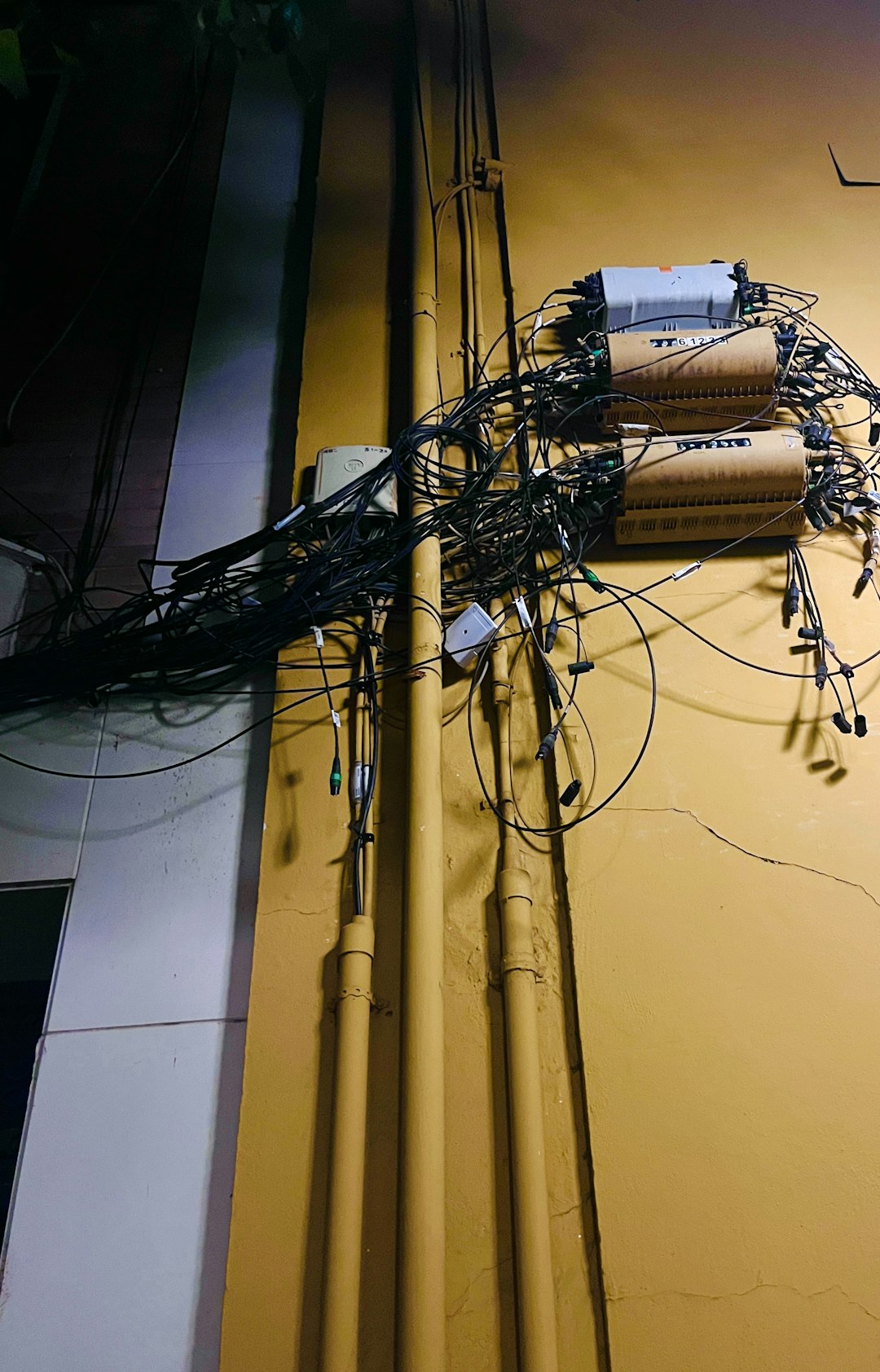
Building these networks involved not only software protocols but also physical infrastructure. Laying cables, configuring routers and modems, and managing network nodes were complex tasks requiring advanced technical skills. Universities and research centers played a fundamental role in providing access to these early networks, acting as catalysts for their expansion. Creating links between different institutions, often through dedicated telephone lines or dedicated networks, was a remarkable logistical feat. It is important to remember that behind every data packet was a physical infrastructure that had to be built and maintained, work that was often invisible but essential.
In this context, it is interesting to note how some ideas we take for granted today were subjects of debate and innovation. Decentralization, for example, was a fundamental principle for ensuring network resilience. The ability of a system to continue functioning even if some of its nodes failed was a priority, especially in a research and development context. This principle of robustness remains a pillar of modern network design today. Indeed, the network architecture was designed to be fault-tolerant, a characteristic that allowed the Internet to grow exponentially without catastrophic collapses.
Sponsored Protocol
The evolution of networks before the WWW is a testament to the power of collaboration and incremental innovation. Without the contributions of scientists, engineers, and researchers who worked tirelessly to create and refine these systems, the web as we know it today could never have existed. It is a reminder that every great technological revolution has deep roots in pioneering work, often under-celebrated but absolutely essential. Understanding these origins helps us better contextualize the challenges and opportunities of the current digital landscape, reminding us that innovation is a continuous process. To delve deeper into the origins of the networks that shaped the digital landscape, it is useful to consult resources on the history of the Internet.
Sponsored Protocol
Our publication thinks that...
Understanding the evolution of pre-WWW networks is fundamental to fully appreciating the complexity and ingenuity that made the digital revolution possible. We often focus on the most visible innovations like the web or social media, forgetting the technological and conceptual foundations upon which they rest. This period of development, characterized by emerging protocols and pioneering infrastructure, demonstrates how innovation is an iterative process, built on decades of research and collaboration. It is a warning not to take the technology we use daily for granted and to recognize the value of the work of those who laid the groundwork for the connected world we live in today. The history of these networks is a lesson in perseverance and vision, essential for anyone wanting to understand the present and future of technology.
Source Meteoraweb.com
Original source: Click here for the source