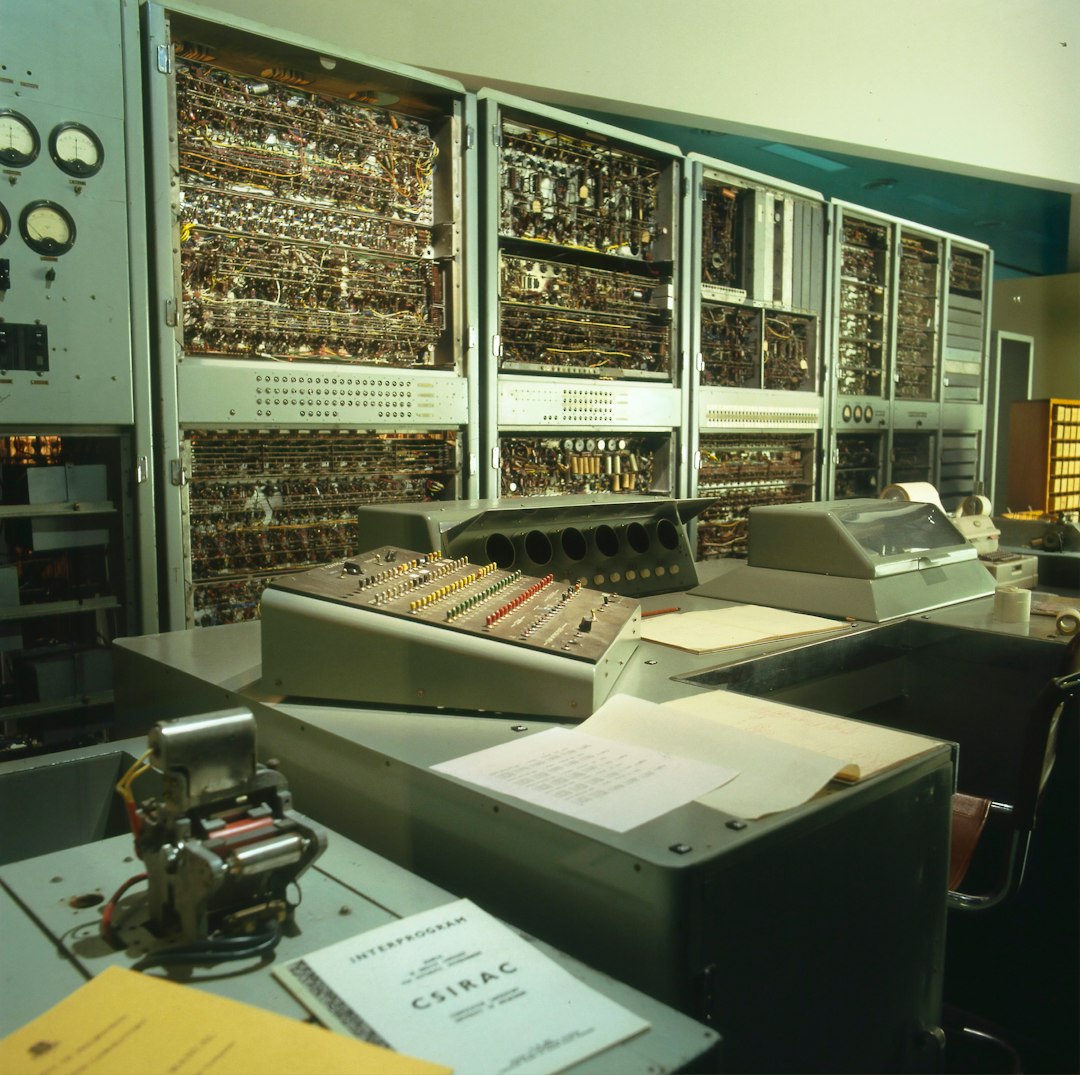
In the vast and fascinating universe of digital culture, there exists a fundamental chapter often overlooked by the common narrative: the one dedicated to early computers and historic mainframes. These monumental machines, veritable cathedrals of computation, were not mere tools but true engines of transformation that laid the groundwork for the technological world we know today. Let's explore a lesser-known aspect of this epic, far from the spotlight of software giants and innovative startups.
The Era of Electronic Brains
Before microprocessors became common and even before the idea of a personal computer could germinate, the computing landscape was dominated by giants. We are talking about mainframes, computers of imposing size that occupied entire rooms, consumed enormous amounts of energy, and required specialized teams for their operation. Consider ENIAC, often cited as the first digital electronic computer, a veritable monster of thermionic valves that required manual reprogramming via cables and switches for each new operation. Its computational power, though limited by today's standards, represented a quantum leap from the preceding electromechanical machines.
Sponsored Protocol
These machines were the beating heart of large governmental, military, and corporate organizations. From managing censuses to decrypting codes during World War II, to complex scientific calculations, mainframes were the only ones capable of handling data volumes and computational complexities unimaginable for the time. Their architecture, though rudimentary compared to modern systems, introduced fundamental concepts like sequential programming and memory management that would influence generations of engineers. To better understand the context of these early networks that later led to the development of more complex systems, it is interesting to retrace the networks that wove the digital future before the World Wide Web.
Sponsored Protocol
Stories of Engineering and Vision
A frequently forgotten curiosity concerns the maintenance and operation of these giants. It wasn't just about turning them on and using them. Every component was critical, and the failure of a single valve could halt entire operations. Specialized technicians, often called 'machine room operators,' lived in symbiosis with these machines, constantly monitoring temperatures, unusual noises, and indicator lights. Their expertise was a mix of electronic engineering, mechanics, and a good dose of intuition. Imagine a complex orchestra where every musician must know their own instrument and that of the others perfectly to produce a symphony.
These early systems laid the groundwork for concepts we take for granted today. Data management, the first rudimentary operating systems, the idea of processing information automatically—all of this originated in these rooms full of noisy, hot machinery. Their legacy is tangible even in subsequent developments, as shown by the ongoing study of programming languages that have accompanied the evolution of computing, a journey starting from assembly and reaching all the way to artificial intelligence as explored in our in-depth article.
Sponsored Protocol
The history of early computers and mainframes is a testament to the extraordinary human capacity to innovate, to overcome seemingly insurmountable technological limits. These machines, though now historical artifacts, represent an irreplaceable pillar in the narrative of the digital revolution. Without them, the path that led to the creation of the internet, smartphones, and the artificial intelligence that permeates our lives today would have been radically different, if not impossible. Their greatness lies not only in their physical size but in the lasting impact they have had on global technological progress. To delve deeper into the origins of these innovations, it is useful to consult authoritative sources like the history of the computer on Wikipedia.
Sponsored Protocol
Our publication believes that...
The narrative of computing history often tends to focus on the more recent and accessible aspects, such as the birth of personal computers or the advent of the internet. However, it is crucial not to forget the pioneers and the machines that made all this possible. Mainframes and early computers were not just calculation tools but true catalysts for an epochal change, requiring bold engineering and long-term vision. Recognizing their role means fully understanding the depth and continuity of the technological innovation that continues to shape our world.
Source: Elaboration based on historical data and sector analysis.
Original source: Click here for the source