Apple is redefining its hardware independence with moves that impact multiple fronts: in-house modems, Intel chip production, location privacy, and artificial intelligence for all. After a decade of reliance on Qualcomm and TSMC, the Cupertino company is building an increasingly autonomous ecosystem. 2026 is the year these strategies converge, offering tangible benefits to users but also purchase decisions that require careful consideration.
The C2 Modem and Precise Location Privacy
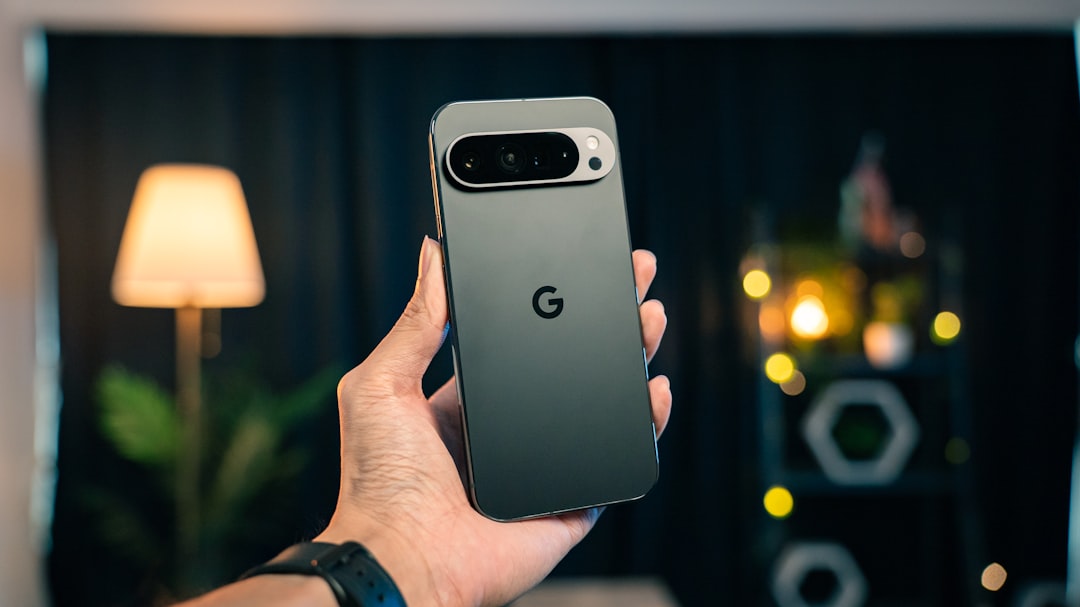
With the arrival of the iPhone 18 lineup, Apple will extend its proprietary modems to all models, including the Pro and the foldable. This change is not just about speed and efficiency but introduces a quiet privacy benefit, as highlighted by a MacRumors analysis. In iOS 26.3, Apple added the “Limit Precise Location” setting that reduces location data shared with mobile networks. Instead of revealing the exact address, carriers only see the neighborhood. However, this feature is currently limited to devices with the C1 or C1X modem, excluding iPhone 17 Pro models with Qualcomm chips. With the C2 modems expected in the iPhone 18 Pro, the precise location limit will become available across the entire lineup. The C2 will also support mmWave 5G, closing the performance gap with Qualcomm. Carrier adoption is still low (only Boost Mobile in the US), but expansion to all iPhones could drive broader support. This move strengthens Apple's position as a steward of personal data in an era where network surveillance is increasingly scrutinized. For more on location-related vulnerabilities, see our coverage of new security flaws in the AI ecosystem.
Sponsored Protocol
Intel Returns to a Role in Apple Chip Production
According to analyst Ming-Chi Kuo, Intel has begun small-scale testing for the fabrication of chips destined for lower-end iPhones, iPads, and Macs. Using the 18A process, Intel could become a second supplier for Apple, breaking TSMC's decade-long monopoly. This would allow Apple to negotiate lower costs and secure its supply chain, while also gaining political favor with the Trump administration pushing for domestic manufacturing. However, TSMC will remain responsible for over 90% of Apple's chip supply. Intel will not design the chips but will fabricate them to Apple's specifications. For the end user, this could mean greater availability and more competitive pricing on entry-level models, while Pro models will continue to use TSMC's advanced processes. The move echoes the Intel Mac era, but with a crucial difference: the chips will remain Apple-designed. The company has developed its own Apple Silicon to ensure optimized performance.
Sponsored Protocol
Why Buying the Base iPad Now is a Mistake
The 2025 base iPad features the A16 chip, which does not support Apple Intelligence. With the arrival of iOS 27, Siri will become a full chatbot, the Camera app will integrate Visual Intelligence, and AI editing tools will appear in Photos. Anyone buying the base iPad today will find it obsolete within months. The next model, expected in September or October 2026, will feature the A18 chip with Apple Intelligence support, more RAM, and superior performance. Even though the $349 price tag is tempting, it is better to wait. The lack of features like Writing Tools, Image Playground, and notification summaries will become increasingly penalizing as the operating system evolves.
Sponsored Protocol
MacBook Neo Under Attack: Microsoft's Study and the Budget Laptop Challenge
Microsoft has responded to the MacBook Neo (starting at $499 for students) with a study promoting the Lenovo IdeaPad Slim 3x at $549. The Windows laptop boasts a 15-inch screen, Snapdragon X1 CPU with superior multi-core performance per Cinebench, 16GB of base RAM, a fingerprint reader, HDMI and SD ports, Wi-Fi 7, and longer battery life (16 hours 29 minutes versus 13 hours 28 minutes). Additionally, Microsoft offers a student bundle worth over $500 with free subscriptions. On the other hand, the MacBook Neo has a brighter Retina display (500 nits), an all-aluminum chassis, a 1080p webcam, superior trackpad and speakers, and deep integration with the Apple ecosystem. The study shows fierce competition, and the winner depends on user priorities: for versatility and raw performance, the Lenovo is strong; for build quality and integrated software, the MacBook Neo remains a solid choice. Meanwhile, the failed Apple and OpenAI partnership for Siri (detailed in our article OpenAI vs Apple) shows how complex integrating AI into consumer devices can be.
Sponsored Protocol
Unmissable Deal: M5 MacBook Pro at Record Low Price
In this context, users wanting a powerful Mac can take advantage of the Amazon deal: the M5 MacBook Pro with 16GB RAM and 1TB storage has dropped to $1,499.99, an all-time low. It is the perfect time for those who need performance without waiting for the next models.
Sponsored Protocol
Conclusions and Future Outlook
Apple is building an increasingly closed and vertically integrated ecosystem. Proprietary modems enhance privacy, Intel diversifies production, AI becomes central in entry-level devices, and competition drives prices down. 2026 is a transition year, but for the end user, purchase decisions require attention: now is not the time to buy a base iPad, while MacBook Pro deals are tempting. Privacy and artificial intelligence will be the true battlegrounds in the years ahead.