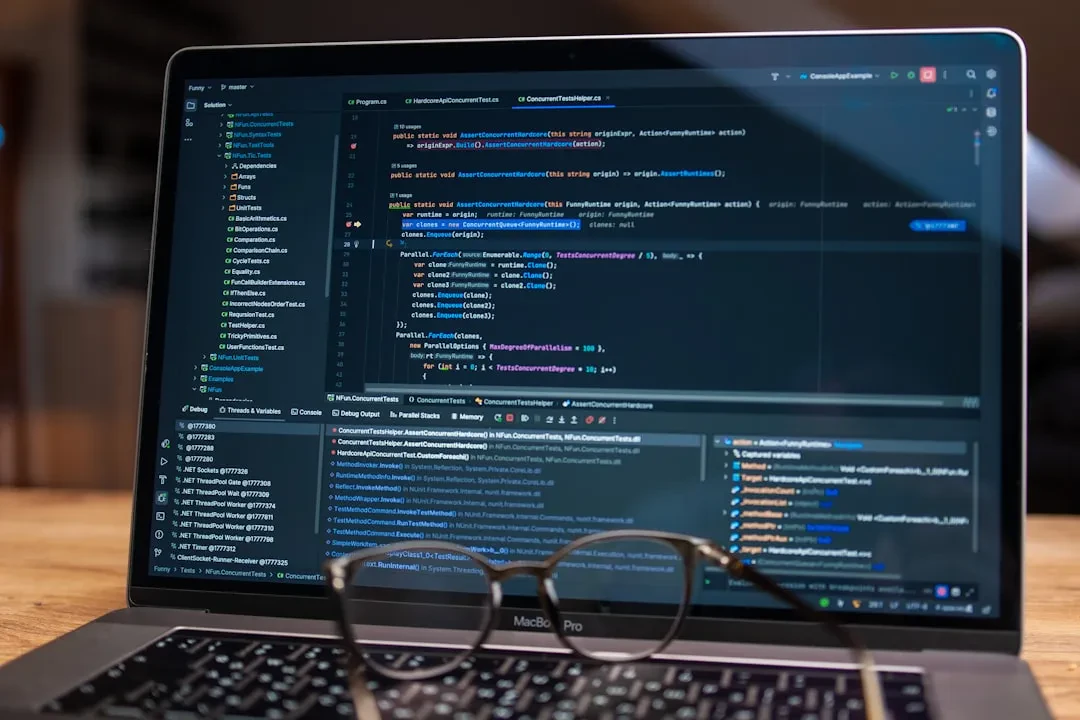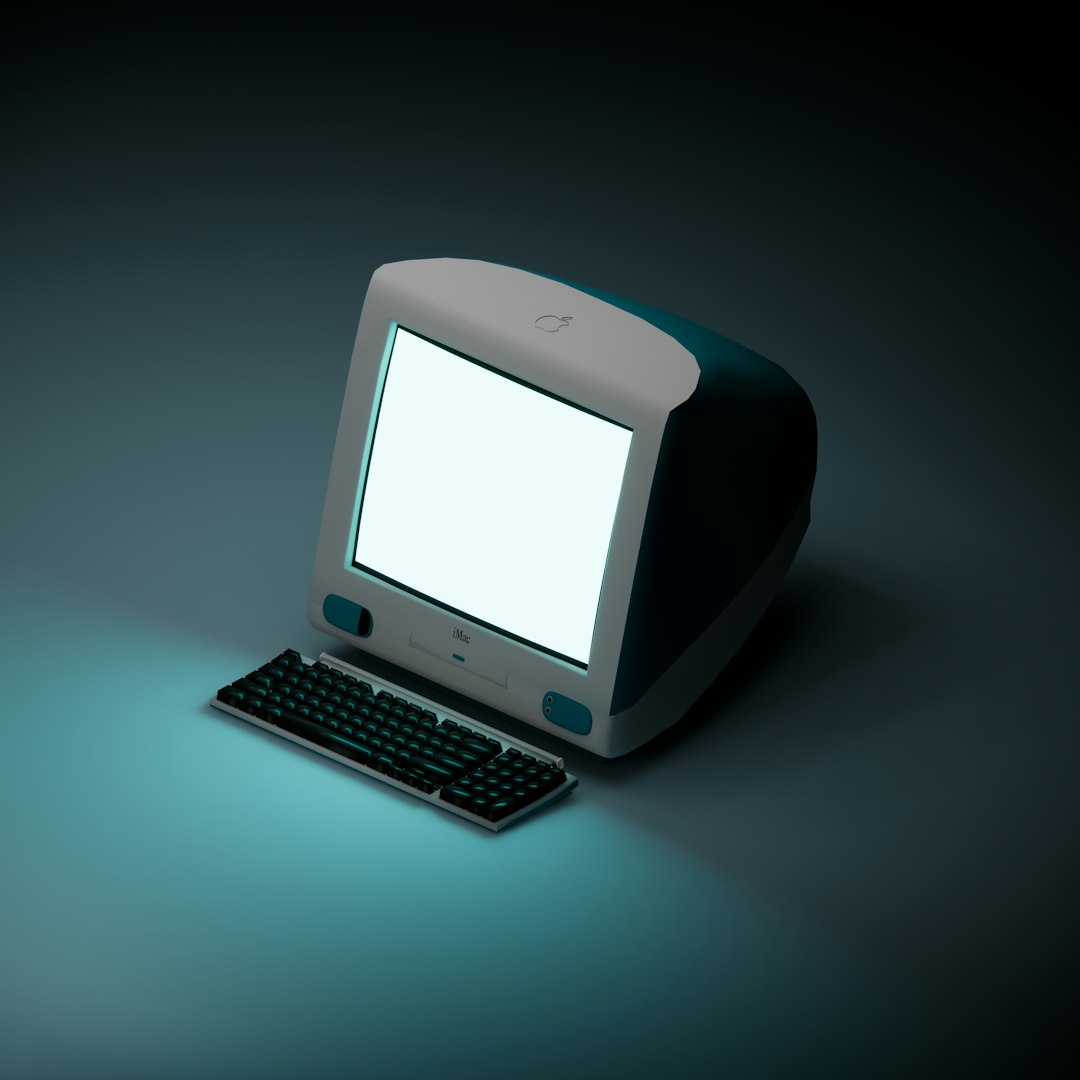
In the vast and fascinating universe of digital culture, there are stories that, while fundamental to understanding the present, risk being forgotten. One of these concerns the dawn of the computer age, a period dominated by imposing and complex machines known as early computers and mainframes. These computational colossi were not mere tools, but true monuments to human ingenuity, capable of revolutionizing science, industry, and society itself.
The Beginning of an Era
Before chips could fit in the palm of a hand, computation was the domain of machines that occupied entire rooms. Consider the ENIAC, Electronic Numerical Integrator and Computer, often considered one of the first general-purpose electronic computers. Unveiled in 1946, it was a true giant, weighing about 30 tons and composed of over 17,000 vacuum tubes. Programming it was a daunting task, requiring the manual reconfiguration of cables and switches. Yet, its ability to perform thousands of calculations per second, an unimaginable number for the time, opened doors to new frontiers in scientific research, from ballistics to nuclear physics.
Mainframes: The Backbone of Progress
Parallel to the early experiments, mainframesstrategic reflections for your e-commerce, a sector where computing power is fundamental.
Incredible Curiosities and Unexpected Challenges
The operational life of these early giants was filled with fascinating anecdotes. It is said that the first documented programming error, a 'bug', was caused by a moth trapped in a relay of the Harvard Mark II. This event, although seemingly minor, gave rise to the term 'bug' still used in computing today. Maintenance was a titanic job; specialized technicians had to constantly monitor temperatures, replace overheated tubes, and ensure the complex cooling systems worked properly. The energy consumed by these machines was such that it required dedicated infrastructure, almost miniature power plants. Their complexity was such that their programming and management required teams of experts, figures we can consider the precursors of today's computer engineers. Their work laid the foundation for the innovation we see today, as demonstrated by the evolution of AI glasses, which integrate increasingly sophisticated technologies.
The Lasting Legacy
Although these computers are historical relics today, their legacy is immense. They demonstrated the power of automatic computation, pushing the limits of technology and paving the way for innovations we now take for granted. From the first algorithms that managed huge amounts of data to modern artificial intelligence systems, the common thread is the relentless pursuit of greater power and processing capacity. The history of mainframes and early computers is a testament to the pioneering vision and perseverance of scientists and engineers who dared to imagine a future driven by computation. Without these silent giants, the digital world we live in today simply would not exist. Their influence extends to sectors like gaming, where hardware performance is crucial, as shown by the offers on SteelSeries Arctis Nova Pro Wireless.
Our publication thinks that...
Retracing the history of early computers and mainframes is not just an exercise in nostalgia, but a fundamental step to appreciate the evolutionary trajectory of technology. These machines, with their imposing size and operational challenges, represent the courage to face the unknown and the determination to overcome seemingly insurmountable obstacles. Their legacy is not limited to hardware, but resides in the fundamental principles of logic, processing, and data management that continue to drive innovation. Understanding their origins allows us to better contextualize current revolutions, from artificial intelligence to data centers, and to anticipate future challenges with a more solid historical perspective. It is a reminder that every great technological advancement stands on the shoulders of giants, often forgotten, but never less important.
Source: Elaboration of historical data and analysis by Meteoraweb.com
Original source: Click here for the source
Sponsored Protocol