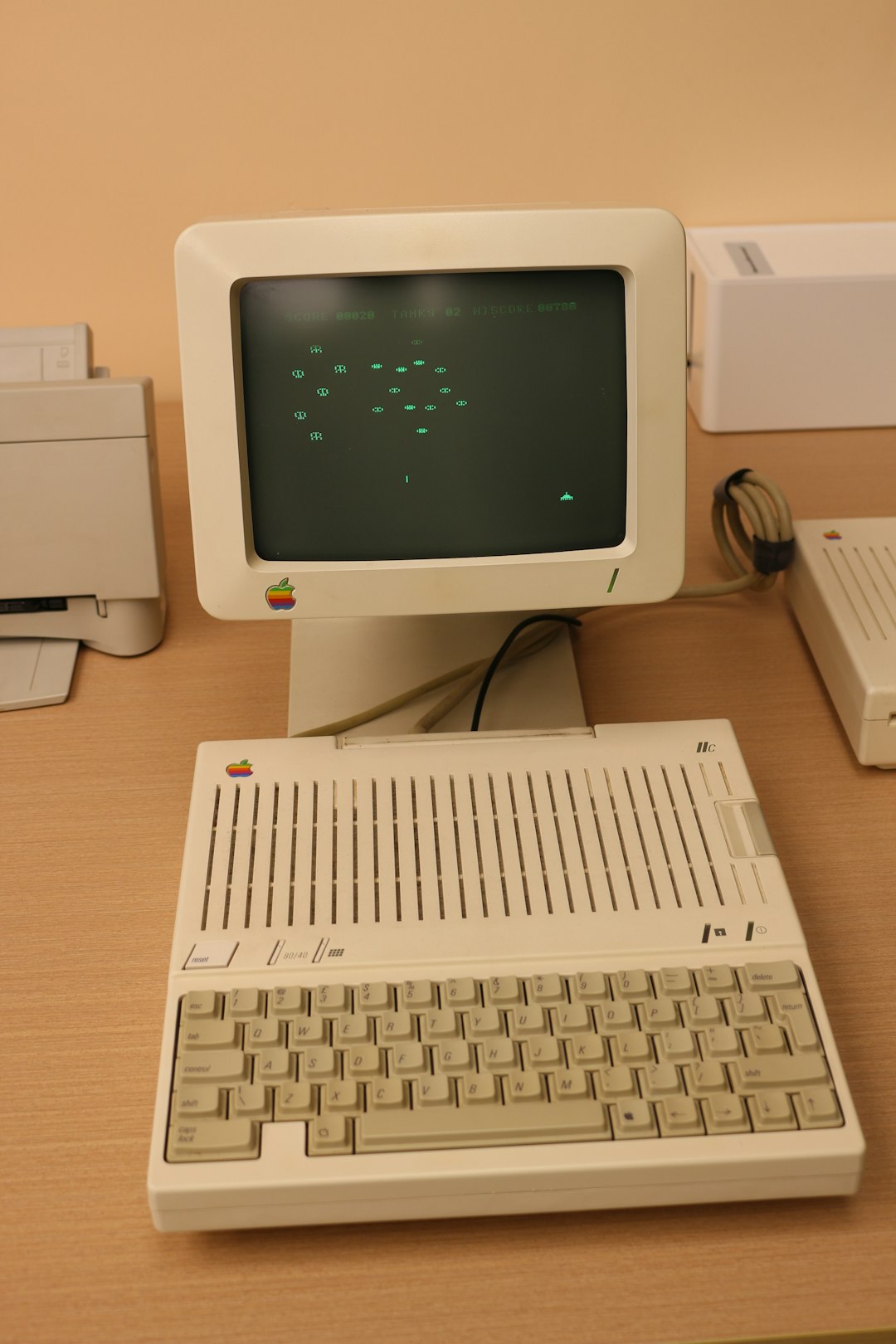
In the vast and fascinating universe of computer history, there are chapters that, while fundamental, often remain in the shadows, known only to industry professionals or the most fervent enthusiasts. One of these concerns the birth and evolution of the first computers and mainframes, machines that literally laid the foundation for the digital world we live in today. These were not pocket-sized devices or sleek laptops, but colossal structures of metal and circuits, true technological titans that occupied entire rooms and required teams of experts to operate.
The Era of Electronic Giants
Imagine an era when computing was a luxury reserved for governments, large academic institutions, and powerful corporations. The first computers, like the iconic ENIAC (Electronic Numerical Integrator and Computer), were engineering marvels, but also capricious creatures. The ENIAC, for example, weighed about 30 tons, occupied an area of about 167 square meters, and consumed an amount of electricity equivalent to that of a small town. Its programming was not done via keyboards and screens, but through the physical manipulation of cables and switches, a laborious process that could take days to complete.
Sponsored Protocol
These early giants were essential for critical tasks such as calculating ballistic trajectories during World War II or managing vast amounts of data in scientific fields. Their existence marked a turning point, demonstrating the unimaginable potential of automatic computation. It is in this context of pioneering that the birth of rudimentary computer networks, precursors to what we now know as the Internet, took place—a fascinating journey you can delve into by reading Before the World Wide Web: The Networks That Wove the Digital Future.
Mainframes: The Beating Heart of Organizations
As technology progressed, mainframes emerged. If the first computers were pioneering experiments, mainframes became the beating heart of large organizations. Companies like IBM dominated this market with powerful and reliable machines, capable of handling thousands of transactions and processes simultaneously. Think of the systems used by banks to manage checking accounts, by airlines for reservations, or by government agencies for processing censuses. These computers were designed to operate 24 hours a day, 7 days a week, with a robustness and processing capacity that made them indispensable.
Sponsored Protocol
Their architecture, although far from modern standards, was incredibly advanced for the time. Mainframes introduced concepts like multiprogramming, allowing multiple programs to run almost concurrently, and centralized data management, a fundamental step toward modern databases. Their influence still extends today, with many critical infrastructures continuing to rely on these systems for their stability and security. To better understand the origins of these powerful machines, it is interesting to explore The Digital Giants Born in a Garage: The Unexpected Origins of Google, Apple, and Facebook, which, although starting from different contexts, contributed to the technological ecosystem.
Sponsored Protocol
Incredible Curiosities and Lasting Impact
An often-overlooked curiosity is the role of these machines in launching the programming language revolution. Languages like FORTRAN and COBOL were born precisely to facilitate interaction with these complex systems, making programming more accessible and powerful. These languages shaped the way we think about computational logic and are still, in evolved forms, at the core of many software systems. A fascinating journey in this field is described in From Assembler to AI: Programming Languages, a Journey into the Digital Mind.
The impact of these early computers and mainframes goes far beyond mere computing power. They stimulated innovation in fields such as electronics, data management, cybersecurity, and even corporate organization. Without these silent giants, the rapid rise of personal computers, the Internet, and artificial intelligence that we experience today would have been simply impossible. They are the forgotten pillars upon which the entire modern digital edifice rests. For a broader picture of the origins, one can consult the history of the computer on Wikipedia.
Sponsored Protocol
Our Publication Believes That...
It is crucial not to forget the roots of our digital age. The first computers and mainframes are not mere relics of the past, but tangible testimonies of human ingenuity and its relentless quest to overcome limits. Their legacy lies not only in the technology they made possible but also in the pioneering mindset that guided their creators. Understanding this journey allows us to fully appreciate the complexity and speed of technological evolution, providing us with a valuable perspective to face the challenges and opportunities of the digital future.
Source: Historical analysis and public data.
Original source: Click here for the source