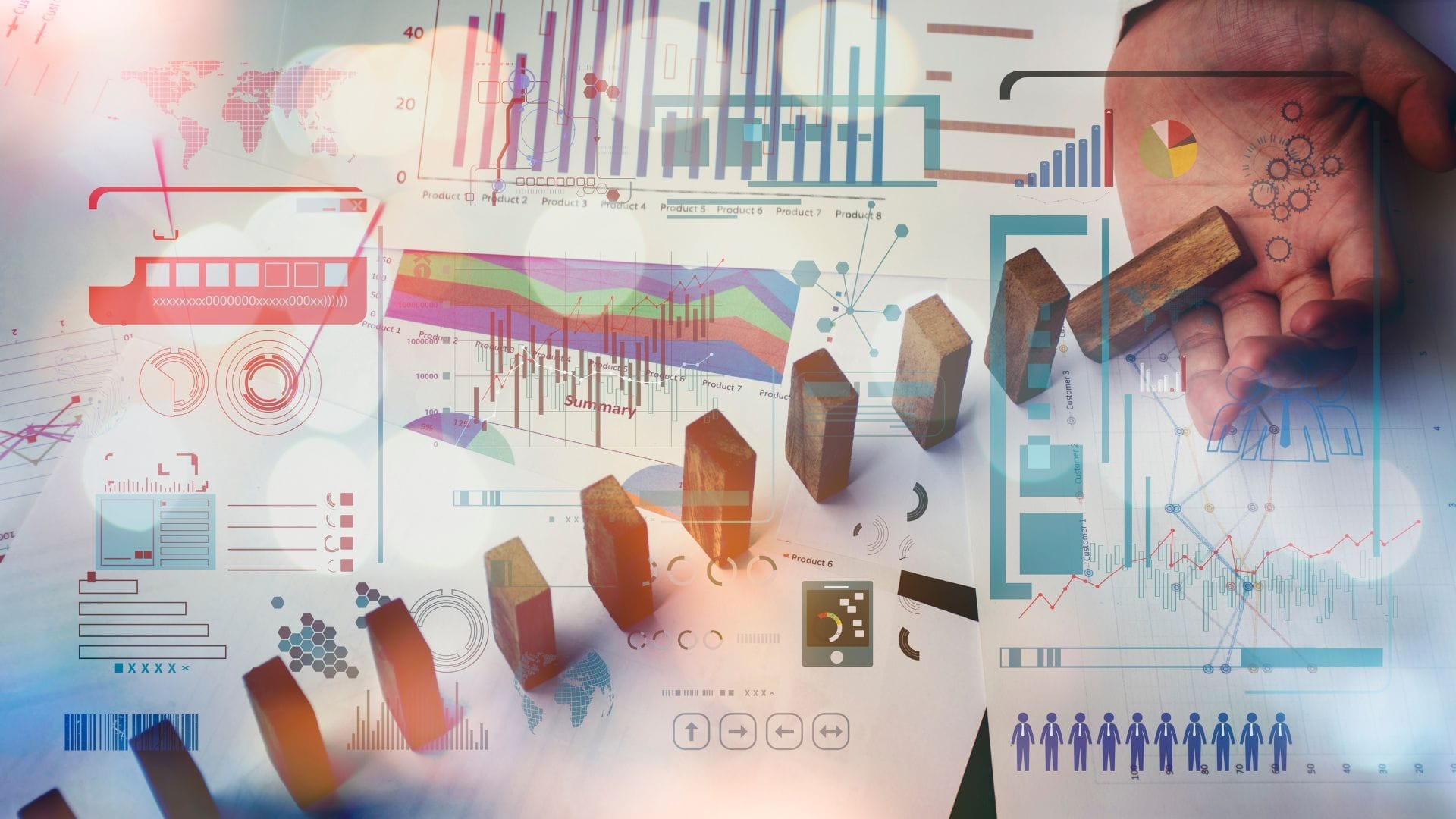
Digital assets are much more than simple tools: they are the foundation upon which a solid and competitive presence in the digital landscape is built. For every company, regardless of size, managing these resources effectively means optimizing performance, improving visibility, and, above all, increasing results.
Table of Contents
The Digital Asset Revolution
But what is meant by a digital asset? This term refers to all those digital resources – from websites to customer data – that contribute to business success. These assets represent the beating heart of online activities, and knowing how to use them can make the difference between adapting to change or falling behind.
Sponsored Protocol
This is why it is essential to understand the different types of assets and their role in business strategies. Whether it's business management systems, customized programs, or analysis tools, each element has a unique strategic value.
What is Meant by Digital Asset?
A digital asset is any resource created, used, or stored in digital format. This can include files, platforms, applications, or entire online infrastructures. For example, a company website, a digital advertising campaign, or data collected by a CRM fall under this definition.
In marketing, digital assets are used to communicate with customers, promote the brand, and optimize business operations. They are often confused with brand assets, but there is an important difference: while brand assets represent the visual identity and company values, digital assets are operational and strategic tools.
Sponsored Protocol
The Main Elements of Digital Assets
Every digital asset plays a specific role in defining business success. Let's discover the fundamental pillars that cannot be missing in an effective management system:
1. Website: The Core of Digital Presence
A website is not just a digital business card, but an operational platform. It must be designed to attract visitors, provide useful information, and convert contacts into customers. This makes it one of the most powerful digital assets.
2. Brand Identity: The Essence of the Company
Brand identity includes all those elements that make a company unique and recognizable: from the logo to the colors, down to the tone of voice. A consistent brand identity helps build trust and stand out from the competition.
3. CRM: Systems for Business Management
A CRM (Customer Relationship Management) is a tool that allows you to monitor and optimize relationships with customers. It is the heart of business management, capable of collecting and analyzing valuable data to improve efficiency.
Sponsored Protocol
4. Marketing Automation: Efficiency and Tangible Results
Marketing automation is like having a tireless collaborator working 24/7. From email management to advertising campaigns, these tools allow you to reach the right audience at the right time, without errors or waste. With marketing automation, every interaction is targeted and personalized, increasing the effectiveness of strategies.
5. Data Analysis Tools: Deciphering the Market
In a context where every decision counts, having reliable data is essential. Analysis tools transform numbers and statistics into valuable information, showing what works and what needs improvement. Knowing your audience and monitoring performance is not just useful: it is essential for making winning choices.

Benefits of Digital Assets: More Than an Investment
Integrating digital assets into a business strategy doesn't just mean keeping up with the times: it means optimizing resources and results. The ability to manage customer relationships through a CRM or to monitor campaigns through advanced tools leads to faster and more accurate decisions. This translates into better budget utilization and an increase in customer loyalty.
Sponsored Protocol
What is Meant by Virtual Asset?
If digital assets include operational resources, virtual assets represent a parallel world of opportunities. NFTs, cryptocurrencies, and exclusive content are just a few examples. For companies that want to innovate, exploring this dimension means opening up to new business models.

Personalization of Digital Assets: The Value of a Tailored Strategy
Every company is unique, and the same goes for its digital assets. Personalization allows for the creation of tools that not only adapt but integrate perfectly into business processes. From a website that reflects the brand's identity to business management systems designed to optimize operations, every detail counts.
Sponsored Protocol
Digital Assets and ROI: When the Numbers Speak
Calculating the return on digital investments (ROMI) is not just useful, it's necessary. Knowing how much value digital assets produce allows you to measure the effectiveness of every action taken. Clear and transparent data allows you to correct course when necessary, ensuring constant growth.
Building the Future with Meteora Web
Digital assets are not just resources: they are the foundation for building lasting success. With the right tools and a strategic partner, like Meteora Web, it is possible to turn ideas into concrete results. Every company has the potential to grow, and digital assets are the means to make it happen.