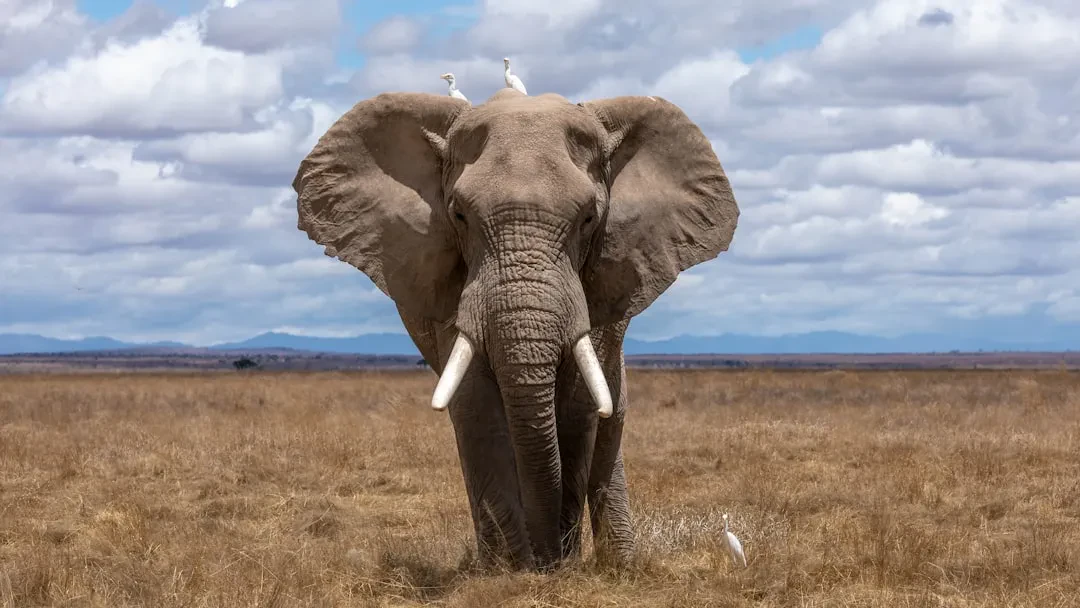
India is home to about 60% of the world's wild Asian elephants, and around 80% of the animals' habitat lies outside protected areas, according to the Ministry of Environment, Forest, and Climate Change. That brings people and wildlife into close contact, and clashes can turn lethal: there have been some 3,000 human casualties in the last five years and over 1,000 elephant deaths since 2014. Traditional warning systems relying on ground patrols could take hours to reach villages and farms, failing to prevent much of the damage. Now, artificially intelligent systems are cutting response and warning times to minutes or even seconds.
How the new AI-based alert systems work
State forest departments, NGOs, and local communities are designing, testing, and deploying a range of AI systems that use acoustic sensors, thermal cameras, and machine learning algorithms to detect elephants in real time. When an animal is identified, the system automatically sends alerts via SMS or app notifications to residents in nearby areas, allowing them to move to safety or deter the elephants using non-lethal methods. This innovative approach has already shown a significant reduction in incidents.
Sponsored Protocol
Concrete impact on local communities and conservation
Rural communities living on the edge of wildlife reserves are the main beneficiaries. By cutting alert times, farmers can protect their crops and villagers can avoid dangerous encounters. At the same time, elephants are deterred without violence, aiding their conservation. According to the Indian Ministry of Environment, large-scale adoption of these systems could halve human fatalities by 2030. For a similar example of AI used for safety, see OpenAI launches Patch the Planet to secure open source code, which shows AI applied to cybersecurity.
The role of institutions and public-private partnerships
The success of these systems depends on collaboration between government bodies, tech companies, and local communities. Pilot projects in states like Assam and Karnataka have already produced promising results, with a 70% reduction in unreported sightings. However, challenges remain, such as internet connectivity in remote areas and sensor costs. For more information on Asian elephants, see the Wikipedia page.
Sponsored Protocol
Using artificial intelligence to prevent human-animal conflict is a concrete example of how technology can have a positive social impact. In the future, similar systems could be adapted for other at-risk species like tigers and leopards, contributing to a more sustainable balance between human development and biodiversity conservation.