The landscape of intelligent assistants is undergoing a profound transformation. In this week of May 2026, three major players have unveiled features that bring artificial intelligence beyond the phone screen, integrating it into the most common moments of the day: driving, morning listening, and mental health protection. Grok by xAI arrives on Apple CarPlay, Spotify launches personal podcasts generated by AI agents, and ChatGPT introduces Trusted Contacts for crisis situations. Completing the picture, Meta is preparing an agent capable of shopping on Instagram.
Grok AI Enables Hands-Free Driving on CarPlay
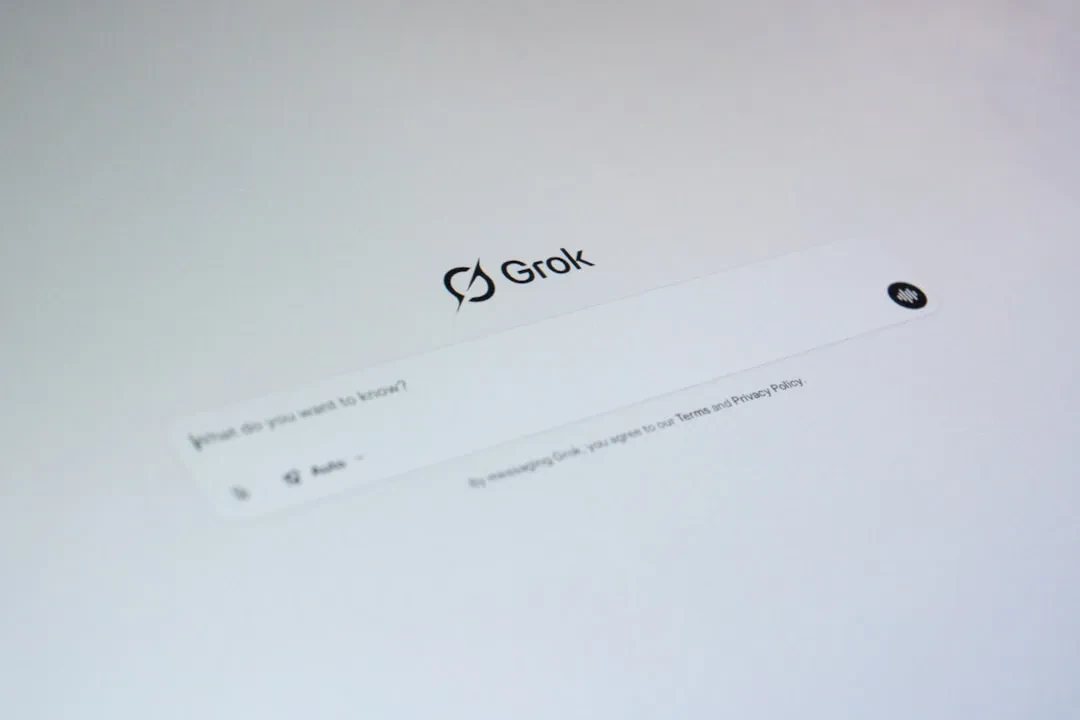
Following the arrival of ChatGPT and Perplexity on CarPlay in recent months, it is now the turn of Grok, the chatbot from xAI. The voice mode of Grok has been activated for Apple CarPlay, allowing drivers to ask questions and give voice commands directly from the dashboard. Apple began allowing third-party voice-driven conversational apps starting with iOS 26.4, but developers must obtain a special entitlement and use the voice control template. Grok thus joins its rivals, offering an experience that promises to make the commute more productive and safer. According to MacRumors, the integration requires that the app display no text or images during responses, to limit driver distraction.
Sponsored Protocol
Spotify Transforms Audio Habits with AI Personal Podcasts
In parallel, Spotify has launched a feature that lets users save and play personal podcasts generated by AI agents. Using a new command-line tool for desktop compatible with agents like OpenAI's Codex and Anthropic's Claude Code, users can ask the agent to create a daily briefing, a study guide, or a weekly itinerary. The generated audio content then appears in the user's Spotify library, alongside music and regular podcasts. The company describes the novelty as a way to listen to what truly matters, tailored to each individual. The service is in global beta, with usage limits during the testing period.
Sponsored Protocol
ChatGPT Introduces Trusted Contacts for Risk Prevention
Another major update comes from OpenAI. ChatGPT now allows users to nominate a Trusted Contact that the assistant can alert if it detects a risk of self-harm. This safety feature, reported by Engadget, represents a step forward in the ethical use of AI. If the chatbot identifies concerning signals in a conversation, it can reach out to the person designated by the user, offering a bridge to human support. This is a recognition that AI, while not a therapist, can play a crucial role in prevention.
Meta Targets Instagram Shopping with an OpenClaw-like Agent
Not to be outdone, Meta is developing an AI agent that competes with OpenClaw, capable of browsing and purchasing products on Instagram. Mark Zuckerberg has reiterated his desire to make AI agents more accessible, and this move could revolutionize social media shopping. Instead of searching manually, the user could delegate the search for the perfect outfit or tech gadget to the agent, completing the purchase with a few voice commands.
Sponsored Protocol
Implications for the Future of Mobility and Privacy
These innovations raise important questions. On one hand, the convenience of a voice assistant in the car or a personalized podcast is enormous. On the other, the collection of voice and personal data by multiple platforms requires ever-stronger privacy guarantees. The arrival of Grok on CarPlay follows its integration in Tesla, but now almost any car can access it. Apple's choice to limit visual content during in-car use is a good example of responsible design. Meanwhile, OpenAI's safety initiative could become a model for the entire industry. As we saw with the recent launch of Bumble's AI dating assistant, AI is entering every aspect of life, and the challenge will be balancing innovation and protection. The future, judging by these announcements, will be increasingly spoken, personalized, and attentive to human well-being.
Sponsored Protocol