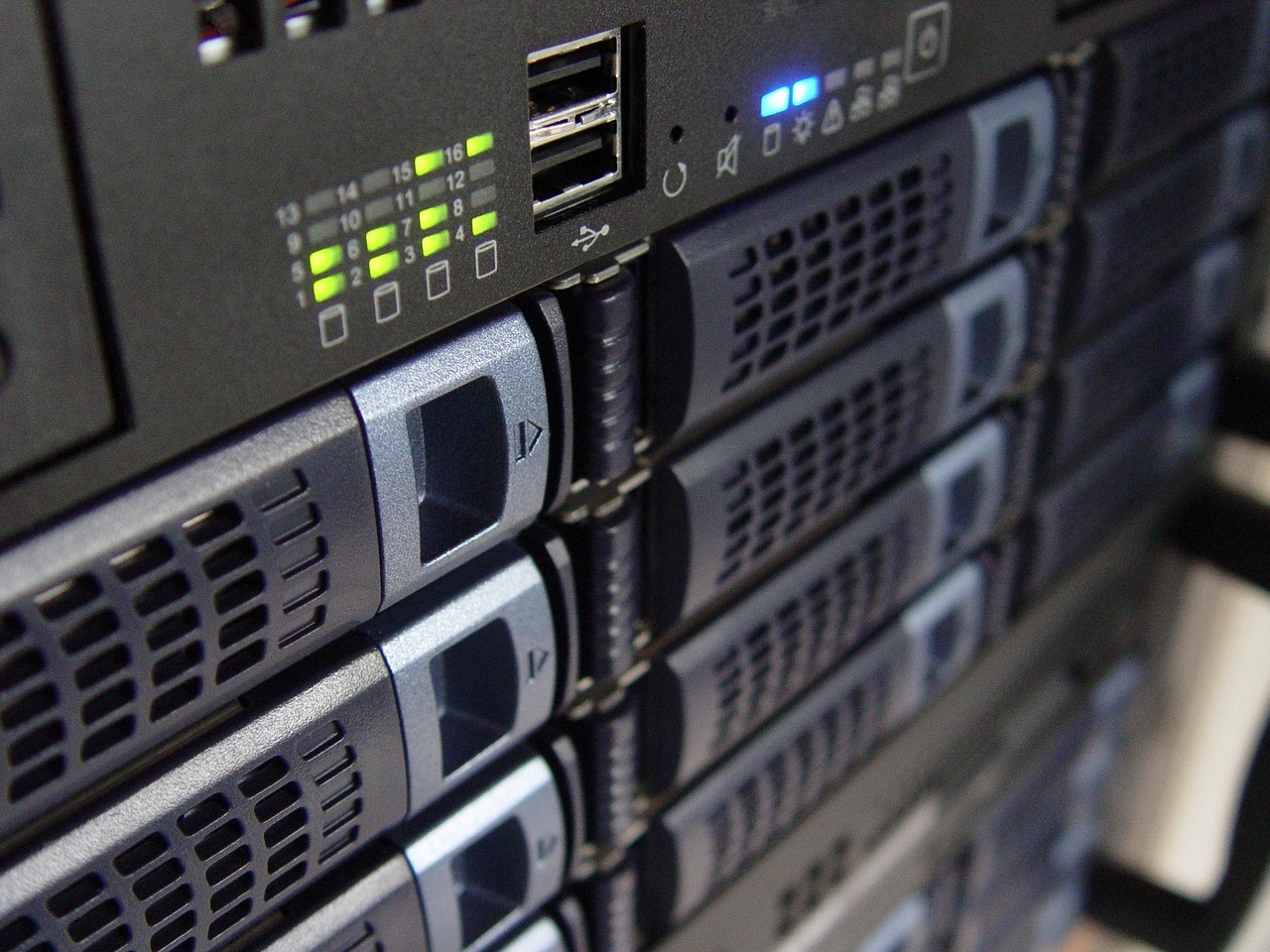
The digital world is continuously expanding, and with it, the demand for computational resources is growing exponentially. Data centers, the true beating hearts of the modern era, are at the center of a complex equation linking technological innovation, energy consumption, and environmental impact. The unstoppable rise of artificial intelligence (AI) is further amplifying this need, pushing the limits of existing infrastructure and raising crucial questions about the future of sustainability.
The Energy Impact of AI
Training increasingly sophisticated AI models, like those powering new frontiers in research and innovation, requires immense computing power. This translates into an energy demand that worries governments, companies, and environmentalists. Data centers, which host thousands of servers working incessantly, are the primary consumers of this energy. The need to power these powerful machines and keep them at optimal temperatures generates a significant ecological footprint. It is no coincidence that prominent figures like David Sacks have abandoned the role of "AI Czar" to dedicate themselves to new challenges, highlighting the complexity of the sector.
Sponsored Protocol
The AI race is not just about developing smarter algorithms but also about the ability to manage and process enormous amounts of data. This highlights the importance of efficient and sustainable infrastructure. The proposal to halt the construction of new data centers, put forward by some political figures, reflects the growing concern over the environmental impact of these structures. Artificial intelligence, while promising revolutions in fields like medicine and science, on the other hand demands deep reflection on resource use.
Innovation and Sustainability in Data Centers
Fortunately, the industry is responding to these challenges with a wave of innovation. New technologies are being developed to make data centers more energy efficient. This includes the use of higher-performing, low-consumption hardware, advanced cooling systems that leverage renewable energy, and even the integration of artificial intelligence to optimize workload management and reduce waste. Companies like Google are working on revolutionary algorithms such as TurboQuant to improve AI memory compression. At the same time, solutions to power data centers with clean energy sources, like solar and wind, are being explored, aiming to reduce dependence on fossil fuels. The search for compact and powerful solar panels like the Bluetti Sora 500 could also play a role in the future of decentralized power.
Sponsored Protocol
The issue of energy for data centers is also closely linked to the development of new hardware architectures. The miniaturization and efficiency of components are fundamental. The evolution of processors and memory, combined with innovative solutions like those that might emerge from promising startups supported by investment funds such as Accel and Prosus, will play a key role. The ability to process data more efficiently not only reduces consumption but also paves the way for new applications and services.
The Role of Social Platforms and Digital Services
The social platforms and digital services we use daily also have an impact. The enormous traffic generated by platforms like Facebook, Instagram, and YouTube requires a robust and always-on data center infrastructure. Discussions on efficiency and sustainability extend to these digital giants as well. The recent legal controversies involving Meta and YouTube, declared negligent in a historic case on social media use, highlight how managing these platforms is complex and requires constant attention not only to technology but also to social and ethical implications. The evolution of platforms like Meta's Threads, which aims to go beyond simple conversation, also requires scalable and efficient infrastructure.
Sponsored Protocol
The growing integration between different technologies, as demonstrated by the union of weather and artificial intelligence with AccuWeather on ChatGPT, suggests a future where data centers will be even more central. The ability to provide real-time translations, like those enhanced by Gemini AI on Google Translate, or to manage increasingly sophisticated voice assistants like Siri, which is opening up to external chatbots according to the latest news from Apple, will require cutting-edge and, hopefully, sustainable infrastructure.
Sponsored Protocol
Our Publication Thinks That
The symbiosis between data centers, artificial intelligence, and energy consumption represents one of the most pressing challenges of our time. It is undeniable that AI offers revolutionary potential, but its development cannot disregard serious consideration of environmental impact. The innovative solutions emerging, from consumption optimization to the search for clean energy sources, are steps in the right direction. However, it is crucial that governments, companies, and researchers actively collaborate to define standards and policies that promote responsible technological development. Sustainability must not be an afterthought, but a guiding principle in the design and management of future digital infrastructure. The history of computing teaches us that innovation often arises from seemingly insurmountable challenges, as demonstrated by the origins of digital giants born in a garage.
Source: Original