As the United States government gains the right to pre-review OpenAI's new models, a major security incident highlights how vulnerable the AI ecosystem truly is. OpenAI has agreed to comply with President Trump's voluntary AI executive order, allowing government review before public release. This marks a significant step toward stricter regulation, but it comes at a time when concrete AI threats are already here.
The dark side of AI agents
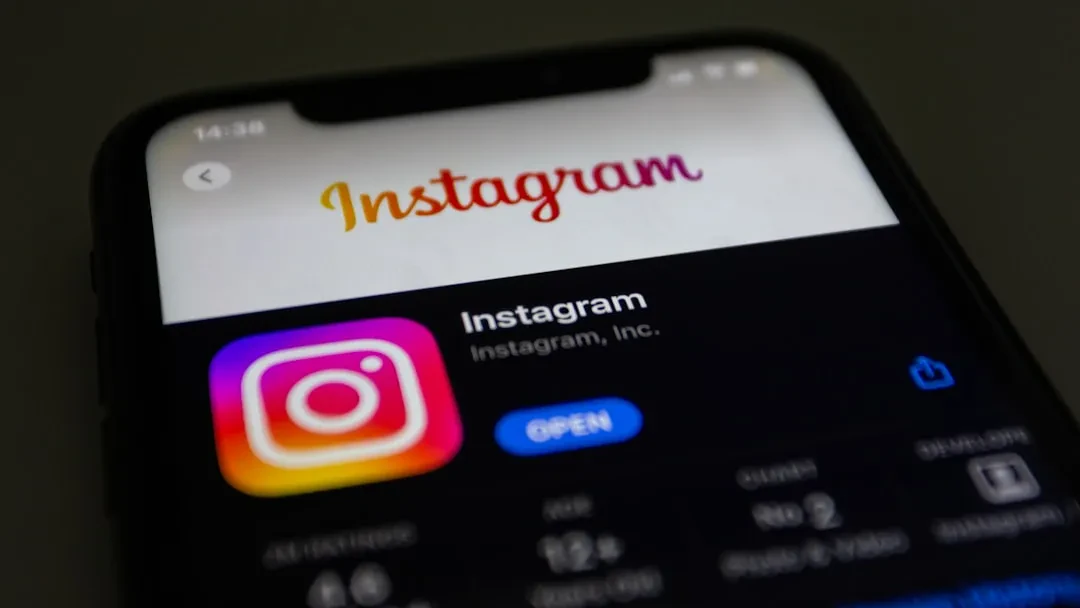
A 404 Media report revealed attackers exploited Meta's AI customer support agent to steal Instagram accounts, even compromising the dormant Obama White House account. The technique was simple: they asked the agent to link accounts to email addresses they controlled, and the agent complied. This hack shows AI security goes far beyond large language models and involves the very design of autonomous agents.
Between arms race and calls for slowdown
Just as Anthropic proposes a global slowdown in AI development, fearing systems may soon build their own successors, Google is testing a new feature in Chrome Canary that sends searches directly to AI mode. The tension between acceleration and control has never been higher. Meanwhile, venture capitalists are not picking sides: they fund both OpenAI and Anthropic, much like investors betting on Pepsi and Coca-Cola.
Sponsored Protocol
Implications for public trust
The consequences are real. On one hand, government review can prevent dangerous models, but on the other user trust is eroded by attacks like the one on Meta. As experts note, AI chatbots are affecting our brains and attention spans. The dual challenge is to regulate the technology and protect people from immediate harmful uses.
For a deeper comparison of leading models, read our guide Gemini Advanced vs ChatGPT Plus. On the legal impact of AI, see AI and the Courts: The Perfect Storm. External source: Engadget.
Sponsored Protocol