Artificial intelligence is transforming not just how we write software, but also the venture capital landscape. This week three key announcements have sparked debate among developers and investors. On one hand, Airbnb revealed that its AI systems now generate 60% of all new code, reducing development time and boosting operational efficiency. On the other hand, the market saw contrasting movements: Kodiak AI raised 100 million at a steep discount, sending its stock down 37%, while Swedish startup Pit, founded by former Voi CEOs, secured a 16 million seed round led by a16z.
Airbnb and the massive adoption of AI code generation
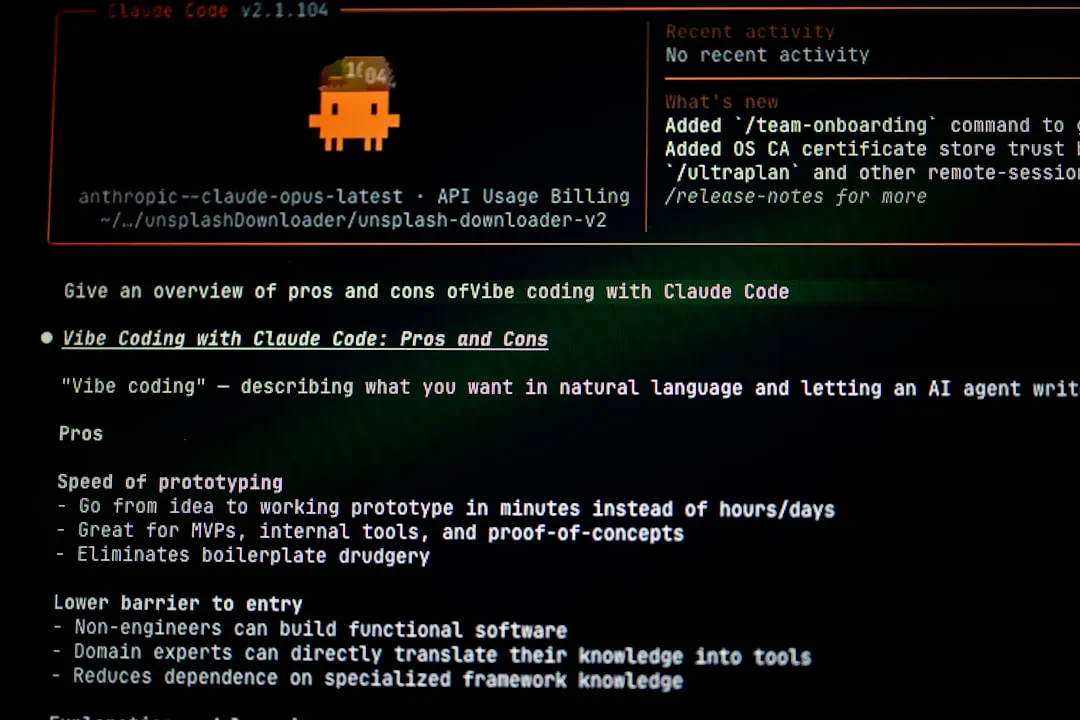
The short-term rental platform stated that AI not only writes code but also handles 40% of customer service requests without human intervention. This data suggests a technological maturity that goes beyond simple automation. For Airbnb, the goal is to reduce bugs and accelerate time-to-market for new features, such as personalized suggestions based on travel preferences. Entrusting most of the code to generative models, however, raises questions about security and long-term maintainability. In an ecosystem where tools like Mozilla Mythos are revolutionizing bug hunting, as covered in our related article, the quality of AI-generated code becomes critical. Airbnb relies on human oversight for the remaining 40%, but the trend is clear: the future of software development is hybrid.
Sponsored Protocol
Kodiak AI between discount and new collaborations
Not all AI stories have an immediate happy ending. Kodiak AI, a logistics-focused AI company, announced a 100 million raise, but on terms that sent the stock tumbling 37%. The operation, described as “at a steep discount“ spooked investors. However, the company simultaneously unveiled a new commercial contract, a pilot program in Canada, and a strategic collaboration. This ambivalence reflects the volatility of the AI sector, where the window for generous funding is narrowing and valuations are being revised downward. The lesson for startups is clear: the market rewards those who demonstrate sustainable growth, not just hype.
Sponsored Protocol
Pit the latest rising star out of Stockholm
In contrast, Swedish startup Pit closed a 16 million seed round backed by the famous fund a16z. Founded by former co-founders of Voi (the well-known electric scooter service), Pit aims to revolutionize customer engagement through generative AI. The news has reignited attention on Stockholm‘s tech ecosystem, already a breeding ground for unicorns like Spotify and Klarna. Pit fits into the wave of startups that leverage large language models to create hyper-personalized virtual assistants, much like the new Bee assistant from Bumble, which is transforming dating with AI. a16z leading the round signals that American venture capital continues to look at Europe with interest, despite market turbulence.
Implications for 2026 and beyond
These three events paint a picture of a rapidly evolving industry. AI is no longer a future promise but a concrete engine of change. Airbnb shows that large-scale adoption is feasible; Kodiak reminds us that costs and valuations remain risky; Pit embodies the optimism of innovators. For investors and developers, the key word is adaptability. The funding landscape, as detailed in our article on Ramp, Gusto, and Kalshi, shows that the unicorn market is more selective than ever. AI is rewriting the rules, but only those who can balance efficiency and quality will stay in the game.
Sponsored Protocol
For more on the security implications of AI-generated code, refer to Wikipedia‘s page on generative artificial intelligence.